

Without sustained support for education, housing and mental health, many former youth in care become involved in the criminal justice system.
Articles on Children in care
Displaying all articles
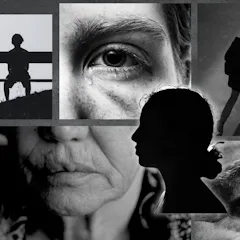
Police receive 50,000 missing reports in Australia each year. But not everyone goes missing by accident – for some people it’s a choice or a way to cope.

Former youth in care deserve equitable educational opportunities. Better longitudinal data is needed around how youth and adults successfully transition to and complete post-secondary education.
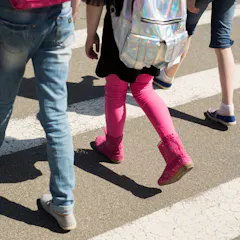
We investigated whether rates of children in care have been growing or falling across all English local authorities according to their party political leadership.

Children are removed from families and placed in care when we think they are being harmed or their needs neglected. But data shows the vast majority aren’t getting recommended health care.

Teenagers transitioning from long-term care to independent adulthood need to be looked after. Their health, wellbeing, education and their safety are at risk

While financial compensation should be offered, there needs to be more understanding of the impact of such payments.

Children’s voices are being omitted from their care records, with devastating effect.
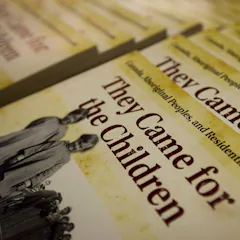
To make meaningful progress on the Truth and Reconciliation Commission of Canada’s Calls to Action, all provinces and territories should promptly follow B.C. and ban discriminatory ‘birth alerts.’

Children growing up in Northern Ireland are far less likely to be in foster or residential care than those in England, Scotland or Wales.

Children in care simply aren’t getting the support they want when it comes to their education

Britain’s press reulgator ruled that The Times distorted its coverage of a case about a Christian girl placed with Muslim foster carers.
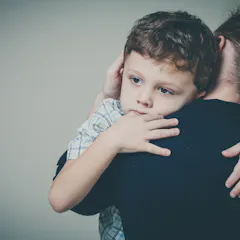
It can be a destructive cycle for mothers whose children are taken into care.

Landmark dental findings are likely to be the tip of an iceberg.

Few people are talking about how children in residential care and those in juvenile jail are essentially the same people.

Once a child has left care, their characteristics, the stability of their placement and how they left it influence their chances of re-entering the system.

England has far more forced adoptions than elsewhere in Europe. Is this right?

Examining the data on whether the number of children in care at some point in their childhood has gone up.

A new report finds children in care are less likely to achieve the national minimum standards in literacy and numeracy – with the gap growing as they get older.

Children growing up with other relatives are more likely to be from an ethnic minority.
Top contributors
-

Professor, Faculty of Education, Memorial University of Newfoundland
-
Professor of Social Work, University of Huddersfield
-
Full Professor and Associate Vice-President, Research, Mount Saint Vincent University
-
Senior Research Fellow in Public Health Data Science, UCL
-
PhD Candidate, Centre for Regional Economic and Social Research, Sheffield Hallam University
-
Emeritus Professor, School of Social Work, University of East Anglia
-
Professor of Social Work, University of Sheffield
-
Professor of Dental Public Health, University of Glasgow
-
Associate Professor in Faith and Peaceful Relations at the Centre for Trust, Peace and Social Relations, Coventry University
-
Senior Lecturer, Department of Social Work, Royal Holloway, University of London
-
Professor of Social Work, University of Birmingham
-
Senior Lecturer in Social Sciences (Psychology), Cardiff University
-
Professor, School of Education, University of Southern Queensland
-
Director, Center for Community Child Health Royal Children's Hospital; Professor, Department of Paediatrics, University of Melbourne; Theme Director Population Health, Murdoch Children's Research Institute
-
Lecturer in Quantitative Social Science, University of Sheffield