
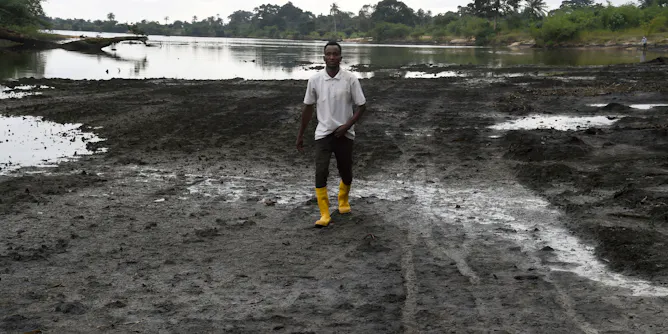
South Africa and Nigeria promised to reduce greenhouse gas emissions from oil and coal. But instead they’re planning to increase production of fossil fuels.
Articles on Fossil fuel subsidies
Displaying 1 - 20 of 38 articles
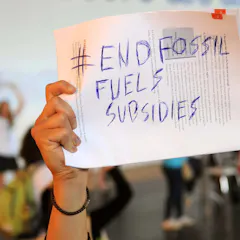
South Africa subsidises fossil fuel companies to the tune of R118 billion (US$6.2 billion) a year. As G20 president, South Africa must push to end these subsidies.
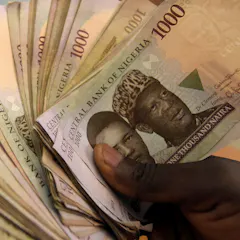
Nigeria revised the way inflation is measured but many Nigerians still feel that the cost of living remains high.

Countries have promised to reduce their fossil fuel subsidies to fight climate change, but that’s harder to do than it sounds, as an energy law expert explains.
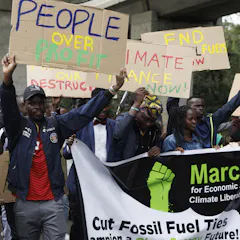
COP29 should end subsidies to fossil fuel companies, compel large-scale emitters to compensate affected regions and ensure that carbon taxes reflect the true cost of cleaning up pollution.
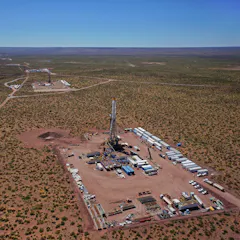
Why do governments still give billions to encourage fossil fuel production? The answer is often to shore up energy supplies.

Without Japanese public funding, Australia’s LNG boom would have slowed

The Trans Mountain Expansion pipeline is a bad deal for Canadians, the federal government and our planet. The only question now is how best to mitigate the damage.

Never mind the carbon tax. Tax breaks and public spending for fossil fuel companies cost taxpayers billions every year and hurt the environment.
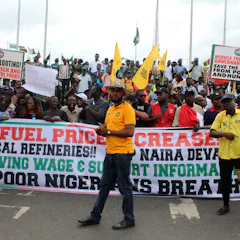
Nigeria’s sudden and total removal of fuel subsidies was not the best strategy to use.

Negotiating global progress on climate change involves walking a fine line, as a former UN official explains.

With many countries planning fossil fuel production increases and continuing subsidies, negotiators have their work cut out for them when the COP28 climate summit begins.

Our research shows the world is not on track to achieve any of the Sustainable Development Goals. But with decisive action, we can still achieve a fairer, more sustainable and prosperous future.

Any smart climate strategy will need to simultaneously move away from fossil fuels and protect biodiversity, including through carbon sink preservation and a shift toward sustainable agriculture.

Start high, drop fast and avoid the free-riders: How to design subsidies that can boost clean energy in the US and elsewhere.
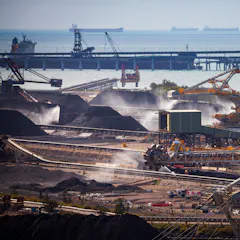
Fossil fuel subsidies from major economies nearly doubled in 2021, reaching almost US$700 billion. Here’s how Australia stacks up.
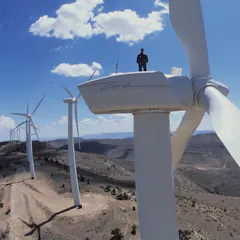
While Congress considers new renewable energy incentives, Texas’ sprawling wind farms tell a story about renewable energy ownership in the US – and who benefits from subsidies.
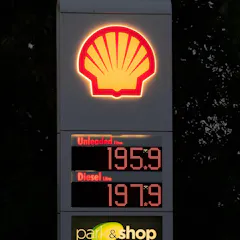
For expensive oil and gas to be politically acceptable, two things must happen.

Canada has emerged as a leader among its G20 peers in terms of green fiscal stimulus spending and policies.

A tax credit for companies that invest in carbon capture technology would divert financing away from cheaper and safer climate solutions.
Top contributors
-

Professor of Political Philosophy, UNSW
-
Senior Lecturer in Economics, University of St Andrews
-
Professor of Environmental Science, University of South Africa
-
Associate Fellow of Political Economy, Institute of Development Studies
-
Adjunct professor, Environment and Sustainability, University of Saskatchewan
-
Visiting Fellow in International Climate Governance, Columbia University
-
Professor in Technology and Society, Chalmers University of Technology
-
Senior Research Fellow, Monash University
-
Director, Center for Energy and Sustainable Development; Professor of Law, West Virginia University
-
Professeur d’économie, fondateur de la chaire « Économie du climat », Université Paris Dauphine – PSL
-
Professor of Sustainability, Rochester Institute of Technology
-
Senior Fellow, Centre for Free Expression, Toronto Metropolitan University; York University, Canada
-
Doctoral Fellow, The Fletcher School, Tufts University
-
Lecturer in Organisation Studies and Sustainability, Cardiff University
-
Professor, Département de droit, Université du Québec en Outaouais (UQO)