
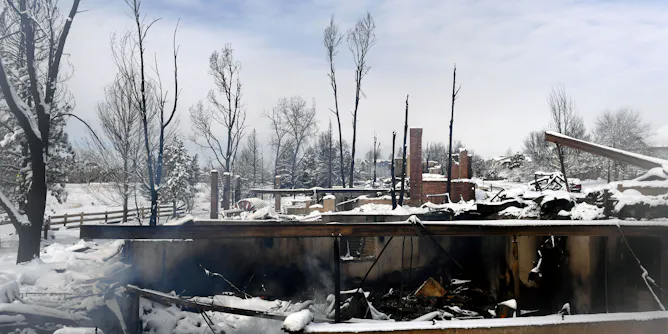
If fossil fuel companies misled the public about the dangers of their products, should they be required to pay for damages from climate-related disasters?
Articles on Fossil fuel industry
Displaying 1 - 20 of 82 articles

Montréal-area performances have seen artists explore our human connections to light and ecological forces, and reflect on grief related to climate change.
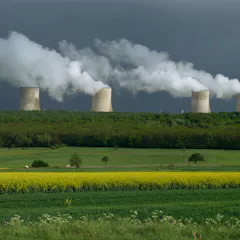
Three researchers take stock of different Union-wide policy approaches to removing and storing carbon emissions in the heavy industry sector.
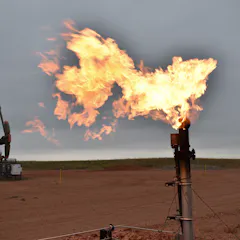
Even fossil fuel companies have found that clean energy can reduce costs.

The UK has banned tobacco adverts at sports games since 2002. There is no equivalent for climate-wreckers.
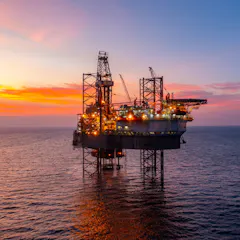
Many of Australia’s offshore oil and gas projects have finished. Wells need to be plugged; steel structures and pipelines removed. There’s A$60 billion worth of work to be done in coming decades.
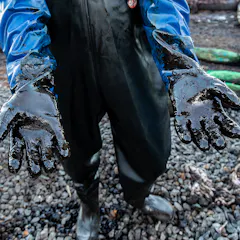
Most people underestimate just how far in advance the fossil fuel industry plans not only its new projects, but its PR and lobbying efforts, as well.
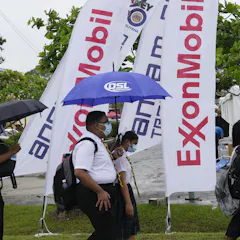
The fossil fuel industry uses universities to authenticate themselves as players in developing climate solutions, while they expand extraction and grow profits. Universities must disclose their ties.
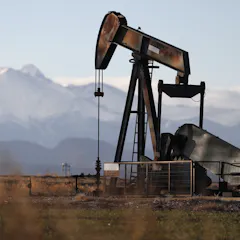
Slowing climate change means cutting fossil fuel use. Many oil- and gas-producing communities aren’t prepared for that future, as a former White House economic and climate adviser explains.
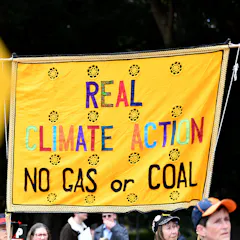
While it’s easy to demonise environmentalists for using the courts to further their causes, a fundamental part of any democracy is access to the legal system.
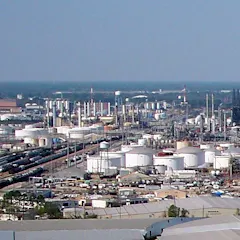
Carbon capture is turning the oil and gas industry into a critical player for mitigating climate change – while its products continue to heat up the planet.

Grace Augustine talks about her interviews with people who’ve chosen to leave their jobs over climate change concerns on The Conversation Weekly podcast.

Recent research about energy industry restructuring options for a green transition indicates that innovation in renewable energy positively influences GDP.
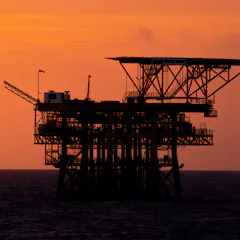
Tobacco lobbyists are strongly regulated – could a ‘tobacco-style’ ban work for fossil fuel interests?
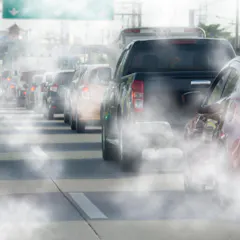
Scope 3 emissions remain a crucial sticking point when it comes to strengthening climate reporting by corporations around the world.
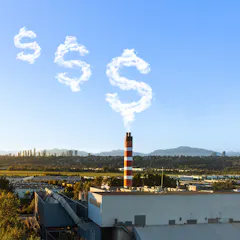
Many oil and gas companies support a tax on carbon, even though they are significant emitters.
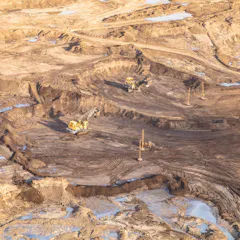
By making individuals responsible for reducing pollution and greenhouse gas emissions, the oil industry is deflecting responsibility for making profound changes in their production practices.
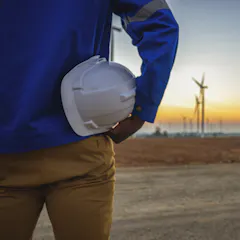
In a greener future, what becomes of current fossil fuel workers? Despite possessing skills applicable to green industries, their geographical locations will limit their opportunities.
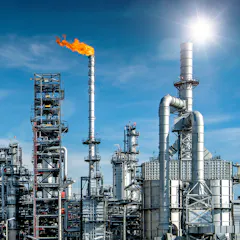
The 142 fossil fuel producers collectively exceeded the limits on coal, gas and oil production required to achieve the Paris Agreement goals by between 63% and 70%.
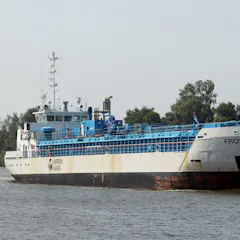
Australia wants to allow export of CO₂ for the purpose of “sequestration”, or storage under the sea. Fossil fuel companies, or research organisations, would need to first apply for an export permit.
Top contributors
-

Professor of Law, Deakin University
-
Professor of Political Science, School of Regulation and Global Governance, Australian National University
-
Associate Professor in Political Theory and Public Policy, UCL
-
Professor, Department of Geography & Environmental Studies, University of Regina
-
Professor of Law Emeritus, Vermont Law & Graduate School
-
Senior Lecturer in Business and Society, University of Bath
-
Adjunct Professor, Crawford School of Public Policy, Australian National University
-
Professor of Political Philosophy, UNSW
-
Research Fellow, Energy Transition Hub, The University of Melbourne
-
Associate Professor of Economics, Georgia State University
-
Assistant Professor in Economics, Georgia State University
-
Professor of History and Public Affairs, Mack Brown Distinguished Chair, The University of Texas at Austin
-
Distinguished Emeritus Professor of Management, University of California, Davis
-
Assistant Professor of Economics, Georgia State University
-
Graduate fellow, Baker Institute, Rice University