

By improving how freshness data is measured and shared, Canada can waste less food, lower costs for households, reduce emissions and build a more resilient food system
Articles on Food supply chains
Displaying 1 - 20 of 40 articles

In the wake of the WHO’s One Health summit, a new atlas explores the interdependency between environmental, health and food security issues, and strategies for supporting sustainability and the welfare of all life forms.

US consumers, already feeling pain at the gas pump, can expect higher prices and prolonged shortages for goods of all sorts, including food, as additional consequences of slowed oil production.
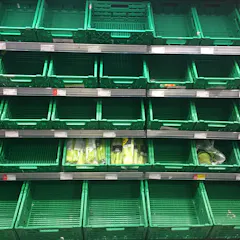
Raising public awareness that food security is a shared national responsibility does not infer panic – it means preparation.
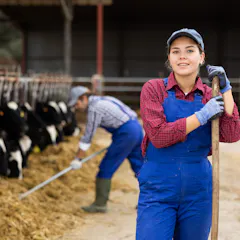
Modelling shows that we will need to change not just how we farm, but what farming produces and what we eat.
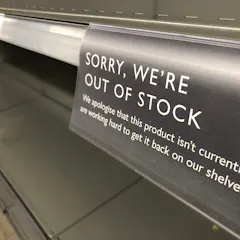
Product shortages can trigger memories of stressful times like Brexit and COVID.

The fragile state of Nigeria’s police contributes to the persistence of insecurity, particularly banditry, in the northern region.

Faced with both a trade war and annexation threats, Canada must confront whether its domestic food systems can feed its population in a crisis.

Most of the seafood Australians consume comes from overseas. This includes products from illegal, unreported and unregulated fishing operations. We can fix this.

They’re often accused of exploiting farmers – but now supermarkets are taking their corner.

Australia’s live export trade is controversial. Have you ever wondered how it perpetuates? New research shows it comes down to corporate power dynamics. Similar forces operate in Brazil and the US.

Food fraud costs billions globally. But blockchain and machine learning offer hope for a more transparent and safer food system.

Our study shows the UK must prepare for, and respond to, the risks associated with future food shortages.
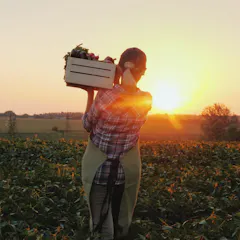
Food supply chain discounts are causing issues for UK producers and processors.
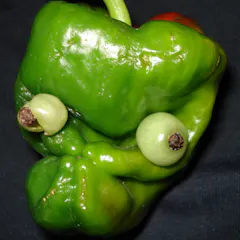
Selling misshapen, bruised fruit and vegetables that are not a standard size requires a supply chain rethink, according to research.

The collapse of Australia’s of largest cold-chain refrigeration transport company will be an inconvenience. But it will only be a disaster if shoppers make it so.

As with so many staples and foods in the past two years – lettuce, milk and eggs to name a few – the problem is a temporary imbalance between supply and demand. Here’s what’s happening with potatoes.

Food supply chains had already taken a serious hit by panic-purchasing during the COVID-19 pandemic. The B.C. floods remind us how effective supply chain management planning can help avert crises.

Shortages of chicken at Nando’s are due to disruptions in supply, rather than demand.
Kenya needs to address spending inefficiencies to attain the goals outlined in the budget.
Top contributors
-

Research Associate, Geography & Environmental Management, University of Waterloo
-
Associate Dean, School of Business and Law, Edith Cowan University
-
Assistant Professor of Operations Management, University of Manchester
-
Professor of International Political Economy, University of York
-
Professor of Supply Chain Innovation, University of Bath
-
Research fellow, Coventry University
-
Professor in Operations Management, University of Southampton
-
Research associate at African Centre for Cities, University of Cape Town
-
Senior Teaching Associate, Migration Studies and Politics, University of Bristol
-
Professor of Accounting, University of Portsmouth
-
Professor of Law, The University of Melbourne
-
Professor of Urban Management & Planning, Griffith University
-
PhD Candidate, Department of Integrative Biology, University of Guelph
-
Associate professor, University of Windsor
-
Associate Head of Research and Knowledge Exchange - Reader in Plant Science, Edge Hill University
