

There are many hard lessons learned from the pandemic; one is that our food system needs a serious reboot. Luckily, we need only look to nature’s cycles for clues on how to fix it.
Articles on Food supply chains
Displaying 21 - 40 of 40 articles
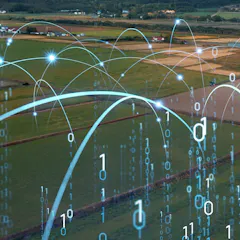
The ongoing coronavirus pandemic has further destabilized global food chains supplies. Technological innovations like blockchain can help address these challenges.
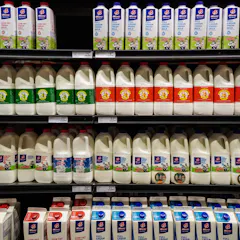
South Africa’s food system is dominated by big firms, leaving small businesses to supply localised and under-served markets, and provide rural employment. It needs to be inclusive and diverse.

Continuing flour shortages in supermarkets highlight a fundamental food security problem in distribution systems.
After years of food scandals caused by supply chain issues, there are hopes in some quarters that coronavirus could be the key to widespread adoption of blockchains.
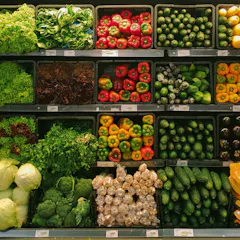
Food is essential to survival. It is also essential to identity. During times of national crisis like the coronavirus pandemic and in the historical landscape, food issues become prominent.

After the brief shock of food insecurity in the form of empty supermarket shelves, we might start thinking about having a Plan B and C based on local food sources and shorter supply chains.

The demands of social distancing during the coronavirus pandemic will make it increasingly difficult for migrant agricultural workers to meet their basic needs.
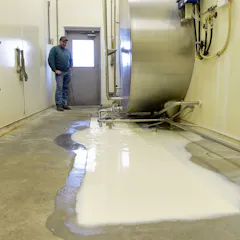
It’s not as easy as you might think to divert food intended for schools and restaurants and send it to grocery stores or even food banks.

Chartering flights during travel bans and national lockdowns is a dangerous reminder of how exploitative labour overrides political and public health responsibility.
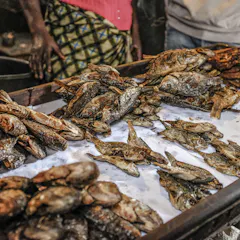
Africa’s industries are not growing at the same pace as its cities, leaving the informal economy as the main source of income for many. COVID-19 lockdowns have cut this umbilical cord.
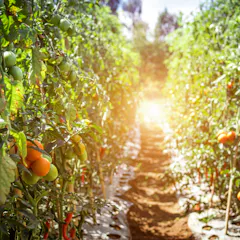
This transformation provides lessons for the rest of world, for shifting away from chemical agriculture towards a healthier system for people and the planet.
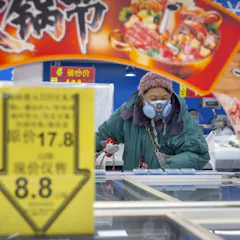
Decades of planning on food security and a food reserve system kept China’s urban populations fed during the coronavirus outbreak, showing the significance of a resilient local food system.
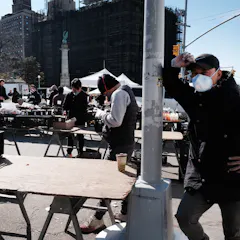
Small-scale farmers are likely to be hit hard if open-air markets close due to coronavirus fears. This could have a longer-term impact on the food supply chain.
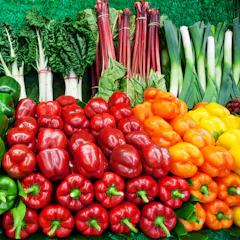
Take a look at the first high-resolution map of the US food supply chain.

Globalization is making it harder to identify and trace outbreaks of foodborne illness. Technology can help, but consumers may also have to rethink their food choices.
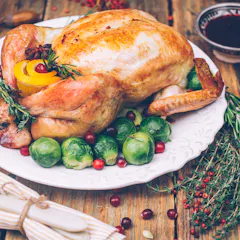
Turkey, pigs in blankets, potatoes, parsnips, carrots, Brussels spouts and cranberries – which are safe and which aren’t?
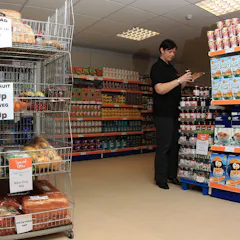
Social supermarkets help those struggling from food poverty – but they mask our broken food system.

Supply chains are complex things. Big firms need to give them more attention.
Food chains are often so complex that it’s too hard to make the right choices.
Top contributors
-

Research Associate, Geography & Environmental Management, University of Waterloo
-
Associate Dean, School of Business and Law, Edith Cowan University
-
Assistant Professor of Operations Management, University of Manchester
-
Professor of International Political Economy, University of York
-
Professor of Supply Chain Innovation, University of Bath
-
Research fellow, Coventry University
-
Professor in Operations Management, University of Southampton
-
Research associate at African Centre for Cities, University of Cape Town
-
Senior Teaching Associate, Migration Studies and Politics, University of Bristol
-
Professor of Accounting, University of Portsmouth
-
Professor of Law, The University of Melbourne
-
Professor of Urban Management & Planning, Griffith University
-
PhD Candidate, Department of Integrative Biology, University of Guelph
-
Associate professor, University of Windsor
-
Associate Head of Research and Knowledge Exchange - Reader in Plant Science, Edge Hill University
