

DNA testing could help prevent consumers being misled.
Articles on Food fraud
Displaying all articles

Using AI and maple syrup fingerprints can detect maple syrup fraud, ensuring consumers receive safe, high-quality foods while protecting the identity of one of Canada’s most iconic products.

Food fraud costs billions globally. But blockchain and machine learning offer hope for a more transparent and safer food system.

Maple syrup can often be adulterated with other syrups. A technique that uses fluorescence to indicate the presence of other compounds is an easy and quick method to determine quality.

Traditional food provenance methods are typically designed to identify one species at a time. So we worked out a new approach, as part of a broader effort to combat seafood fraud and illegal fishing.

Allegations of business rates evasion and counterfeit goods are just a glimpse into the dark world of food crime.
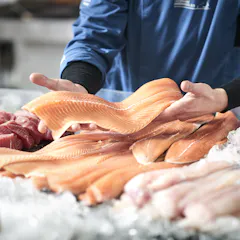
When fish are out of water, consumers are out of their depth.

Fraudulent spices aren’t new – but sage is the latest victim.
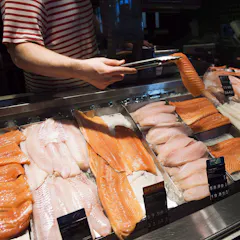
Trust in our global food supply chains remains a concern. For the foreseeable future, much of Canada’s food fraud remains hidden in plain sight, sitting right there on our grocery store shelves.

A project to protect producers from food fraud by verifying and promoting the provenance of the region’s beef exports to China turned out to be a source of creative work in the region as well.

Our new paper titled ‘DNA barcoding validates species labelling of certified seafood’ presents the largest and most comprehensive assessment of MSC-labelled products to date.

Food fraud, the centuries-old problem that won’t go away
The Conversation55.8 MB (download)
Dairy farmers used to put sheep brains and chalk in skim milk to make it look frothier and whiter. Coffee, honey and wine have also been past targets of food fraudsters. Can the law ever keep up?

With Walmart bringing blockchain technology to its grocery stores, other retailers will soon have to get on board.

Food fraud and safety concerns are an ongoing problem in the agrifood sector— could blockchain technology be a solution?
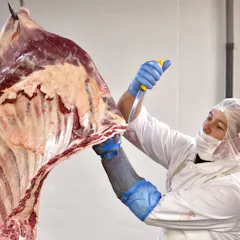
Food fraud is a common problem that technologies such as blockchain and DNA fingerprinting can help to solve.
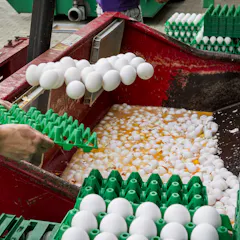
Even a fraction of a penny per egg over hundreds of thousands of eggs can mean being able to survive as a business, so the temptation to cut corners is huge.

Food fraud is a huge problem in the UK, and much of it is as a result of organised crime. Unfortunately, as the report of the Elliott Review on the 2013 horsemeat scandal now points out, there is too little…

European food politics began 2013 with the horsemeat scandal, and it is ending with meat and horsemeat still high on the agenda. The publication of the interim findings from the review chaired by Professor…
Top contributors
-

Director, Agri-Food Analytics Lab, Professor in Food Distribution and Policy, Dalhousie University
-
Associate Professor - Arrell Chair in Food Quality, University of Guelph
-
PhD Candidate, Food Science, University of Guelph
-
Professor, Department of Integrative Biology, University of Guelph
-
Professor of Accounting, University of Portsmouth
-
Lecturer in Fraud and Financial Crime Studies, Charles Sturt University
-
Toronto-based, doctoral researcher, Food Chain / Supply Chain Transparency, Trust, Technology, Standards @ Henley Business School, University of Reading
-
Lecturer in criminology, University of Hull
-
Professor of Molecular Biosciences, Queen's University Belfast
-
Professor of Data Analytics, Bangor University
-
Pew Marine Fellow; Marine Policy Advisor, Oceana Europe & Research Scientist, Technical University of Denmark
-
Creative Partnership Designer and PhD Candidate, Queensland University of Technology
-
Research assistant, Hanner Lab, University of Guelph
-
Research Associate, Nelson Mandela University
-
Associate Professor and Marine Ecologist, Adelaide University