
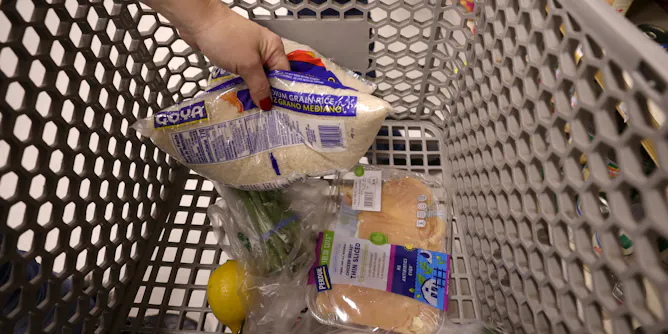
More than 41 million people rely on the Supplemental Nutrition Assistance Program to buy their groceries. When the COVID-19 pandemic began, the program ramped up.
Articles on Food banks
Displaying 21 - 40 of 92 articles
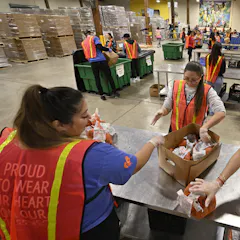
A little more than 1 in 10 Americans can’t get enough to eat – around the same share of the country that was experiencing food insecurity before the COVID-19 pandemic.

Rapid increases in food prices due to inflation mean many Canadians may be making different food choices. Here are the possible short- and long-term effects of that, and some ways to save money.
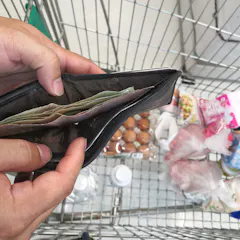
A country of plenty like Australia should be able to ensure no one is denied their right to adequate food. But food insecurity is on the rise, and we aren’t even properly monitoring the problem.
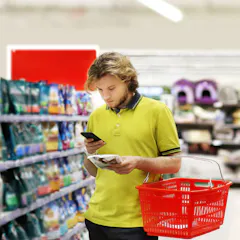
Food insecurity is a social justice issue tied to social determinants of health. Historically marginalized people like 2SLGBTQ+ youth are at risk, and more likely to be food insecure during COVID-19.
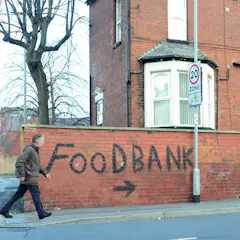
Everyone is talking about how to alleviate energy prices this winter, but no one acknowledges that the average household has been getting poorer for more than a decade.
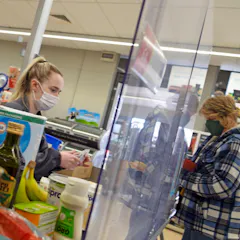
Professor Leigh Sparks looks at the latest UK retail sales and consumer sentiment data.
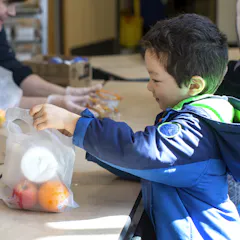
An expert on food policy explains how the end of COVID-19 waivers will impact children’s access to food, as well as the importance of food banks and pantries.
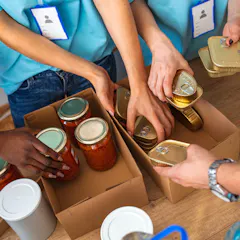
Millions of people experiencing food poverty turn to food banks, and the number is growing.
Efforts to make donated food as healthy as possible backfire if the recipients throw it out.
Our food systems are failing to feed all of us.
In this episode of Don’t Call Me Resilient, we pick apart what is broken and ways to fix it with two women who battle food injustice.
The COVID-19 pandemic has highlighted the problem of food insecurity for many people, especially racialized and Indigenous households.
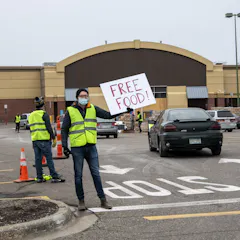
Congregations can help bridge gaps left by government programs, especially for many immigrants and others who are not eligible for SNAP benefits.
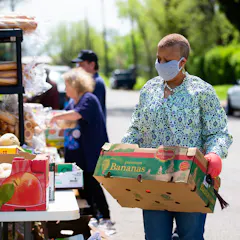
COVID has exposed how vulnerable Australia’s food charities are in times of crisis. But we can prepare for the next disaster.

The most vulnerable in society have been hit hard by the pandemic when it comes to getting enough to eat. So what can be done?
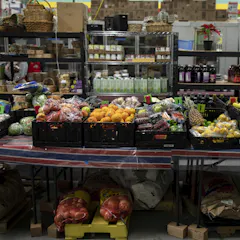
Behavioral economics, long employed in grocery stores to guide customers to certain products, could be employed by food banks and pantries to encourage healthier choices.
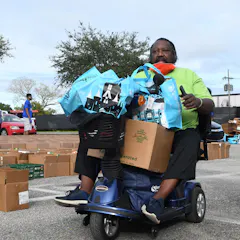
While long lines and food shortages are frustrating for most consumers, they can be physically and emotionally grueling for people with disabilities.
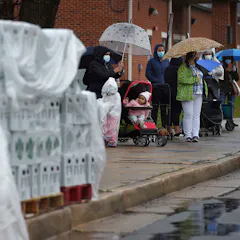
A team of experts are projecting that after a steep increase in 2020, food insecurity rates will dip in 2021. But behind this is a racial gap – rates for Black Americans will remain stubbornly high.
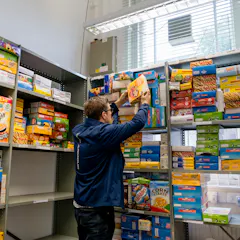
Most would have preferred to at least have the option of choosing equivalent amounts of money instead
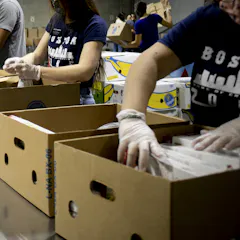
Food production in the US is heavily concentrated in the hands of a small number of large agribusiness companies. That’s been good for shareholders, but not for consumers.
Top contributors
-

Lecturer in Social Policy, University of Salford
-
Professor of Health Studies, Queen's University, Ontario
-
Professor of Human Development and Family Sciences, University of Connecticut
-
Associate Professor of Nutrition Science, Purdue University
-
Lecturer in Nutrition, King's College London
-
Assistant Professor of Dietetics and Nutrition, University of Dayton
-
Associate Professor of Health Equity, Deakin University
-
Professor of Anthropology, University of South Florida
-
Associate Professor, Women's and Gender Studies, School of Nutrition and Dietetics
-
Research Fellow in the Department of Health Sciences, University of York
-
Assistant Professor of Supply Chain and Health Sciences, Northeastern University
-
Professor of Food Policy, City St George's, University of London
-
President, Food Secure Canada
-
Associate Professor of Sociology and Education, University of Bristol
-
Associate Professor of Food, Nutrition and Health, University of British Columbia