
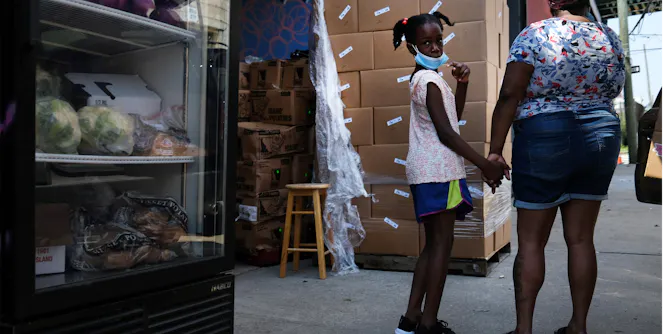
A food policy researcher helps make sense of the lexicon of US food policy terms, and explains how they relate to racial justice.
Articles on Food banks
Displaying 41 - 60 of 92 articles
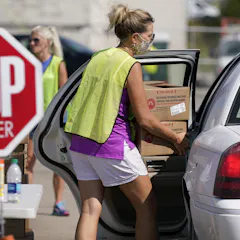
The number of people assisted by food banks had been growing over the two decades before the COVID-19 pandemic. Today, these nonprofits are facing even more demand.
An estimated 1 in 4 US children have trouble getting enough to eat at least sometimes. We asked four scholars for their insights..
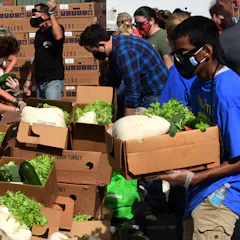
The boxes and bags people get from food pantries contain healthier food than you might suspect.
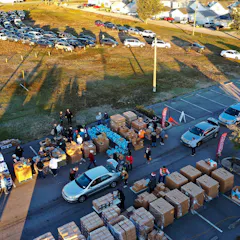
By not attaching any strings to the money, championing representation and generally taking care to respect nonprofit leaders, she’s following five best practices.
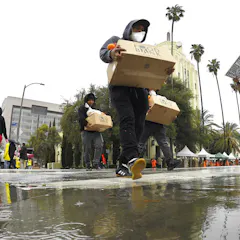
Not having enough to eat is a major public health concern, not only because it causes hunger and distress, but also because it’s linked to poor nutrition and unstable diet patterns.

The federal government’s response to the scourge of food insecurity must involve a lot more than just encouraging Canadians to donate canned goods. It must honour Canadians’ right to food.
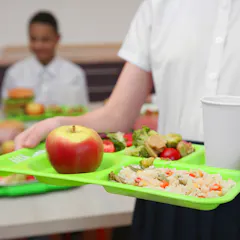
Your view depends on whether you see poverty as the result of individual or policy failings.

Concerns about having enough to eat are worsening among college students during the pandemic. This could ultimately affect how many finish school, two scholars argue.

Food insecurity is income insecurity. After COVID-19, we must no longer tolerate the inequities of corporate charity and the stigma associated with relying on society’s leftovers for those in need.
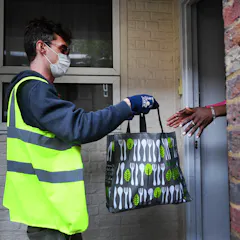
Donations to food banks surged as the pandemic raged. But they’re on the decline again just as people need more help.
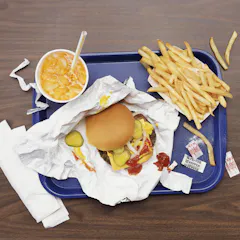
Fast-food restaurants can be comforting places, but when they saturate communities, they crowd out healthy food sources and leave residents less nourished.

Food pantries, the providers of services to the homeless and similar organizations now face enormous challenges.
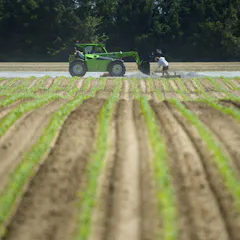
COVID-19 has given society a teachable moment, and we should now establish the policies, programs and technologies to ensure our food system becomes stronger, more resilient and more equitable.
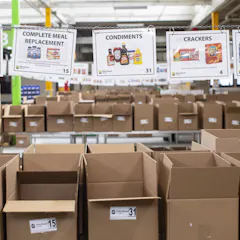
The ability of food banks to meet the needs of food insecure Canadians has plummeted just when it is needed most. But food banks have never been able to address the reason people are going hungry.
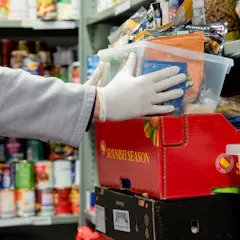
The government is focusing on the market to feed the UK but to avoid long-term risks and short-term emergencies a UK food plan is needed now
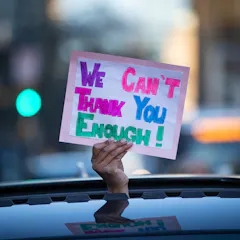
The COVID-19 pandemic is affecting everyone to some degree, and many people are looking for ways to help others. Here are some ways people can contribute to the response effort.
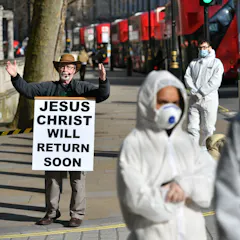
The UK is on the tipping point of a humanitarian emergency. To tackle this the government must now give more money to local authorities.
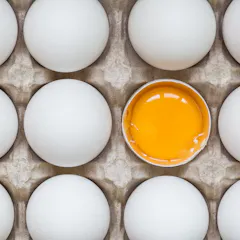
All eggs in supermarket Morrisons will soon be free range. But this – and other measures intended to promote ethical consumption – could impact badly on the worst off.
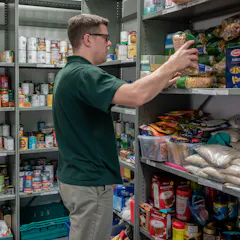
Our research has found that staff discussions of Christianity in food banks may put people off using them.
Top contributors
-

Lecturer in Social Policy, University of Salford
-
Professor of Health Studies, Queen's University, Ontario
-
Professor of Human Development and Family Sciences, University of Connecticut
-
Associate Professor of Nutrition Science, Purdue University
-
Lecturer in Nutrition, King's College London
-
Assistant Professor of Dietetics and Nutrition, University of Dayton
-
Associate Professor of Health Equity, Deakin University
-
Professor of Anthropology, University of South Florida
-
Associate Professor, Women's and Gender Studies, School of Nutrition and Dietetics
-
Research Fellow in the Department of Health Sciences, University of York
-
Assistant Professor of Supply Chain and Health Sciences, Northeastern University
-
Professor of Food Policy, City St George's, University of London
-
President, Food Secure Canada
-
Associate Professor of Sociology and Education, University of Bristol
-
Associate Professor of Food, Nutrition and Health, University of British Columbia