
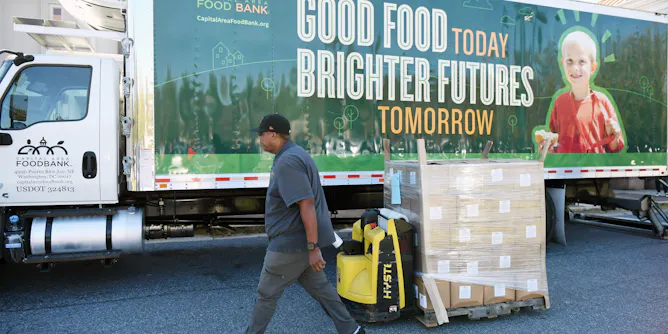
Picking up food more frequently from supermarkets doesn’t close the gap between what’s donated and could be donated, a supply chain scholar explains.
Articles on Food pantries
Displaying 1 - 20 of 22 articles
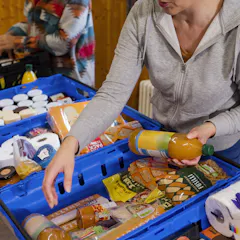
Free food may fill your stomach, but it doesn’t always satisfy the desire to feel fully human.
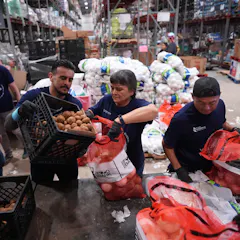
As the government shutdown wore on in October, calls began surging, signaling that Americans are very concerned about paying their bills and feeding their families.
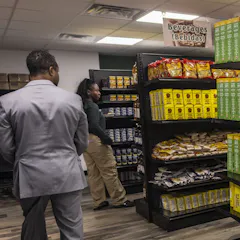
Supply chain improvements could help lower the food insecurity rate and reduce food waste while boosting profits for retailers.

Donors and grantmakers often pressure nonprofits to spend as little as possible on fundraising and overhead.
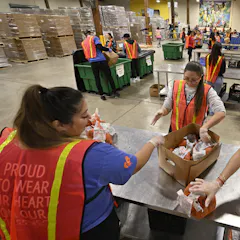
A little more than 1 in 10 Americans can’t get enough to eat – around the same share of the country that was experiencing food insecurity before the COVID-19 pandemic.
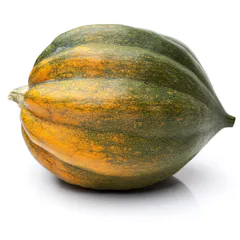
Efforts to make donated food as healthy as possible backfire if the recipients throw it out.
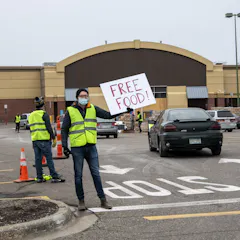
Congregations can help bridge gaps left by government programs, especially for many immigrants and others who are not eligible for SNAP benefits.
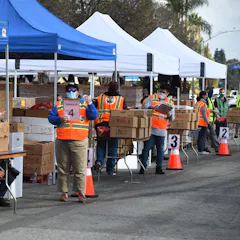
These efforts are growing due to the coronavirus pandemic. They involve partnerships with school districts, food banks and other institutions.
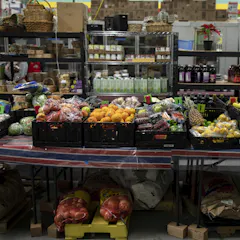
Behavioral economics, long employed in grocery stores to guide customers to certain products, could be employed by food banks and pantries to encourage healthier choices.
Plus, the discovery of the first known burial in Africa. Listen to episode 16 of The Conversation Weekly.
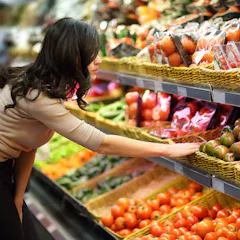
Food insecurity affected many students even before the pandemic hit, with international students the worst hit. But students and universities have shown a lot can be done to end the problem.

A food policy researcher helps make sense of the lexicon of US food policy terms, and explains how they relate to racial justice.
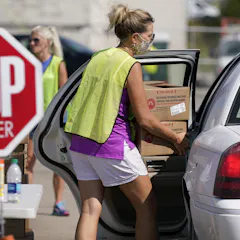
The number of people assisted by food banks had been growing over the two decades before the COVID-19 pandemic. Today, these nonprofits are facing even more demand.
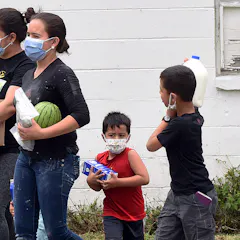
An estimated 1 in 4 US children have trouble getting enough to eat at least sometimes. We asked four scholars for their insights..
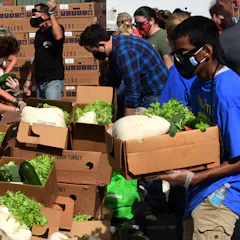
The boxes and bags people get from food pantries contain healthier food than you might suspect.
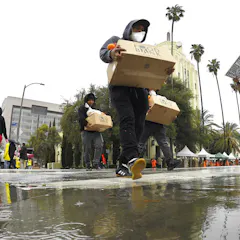
Not having enough to eat is a major public health concern, not only because it causes hunger and distress, but also because it’s linked to poor nutrition and unstable diet patterns.
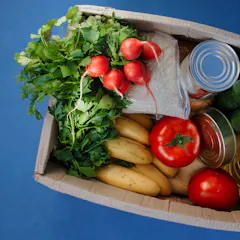
Dayton Children’s Hospital has begun to screen patients and their families for food insecurity, referring many of them to its ‘Food Pharm.’

Concerns about having enough to eat are worsening among college students during the pandemic. This could ultimately affect how many finish school, two scholars argue.

Food pantries, the providers of services to the homeless and similar organizations now face enormous challenges.
Top contributors
-

Assistant Professor of Dietetics and Nutrition, University of Dayton
-
Associate Professor of Nutrition Science, Purdue University
-
Associate Professor of Allied Health Sciences, University of Connecticut
-
Professor of Anthropology, University of South Florida
-
Assistant Professor of Supply Chain and Health Sciences, Northeastern University
-
Deputy Vice-Chancellor (International) and Senior Vice-President, Monash University
-
CENIEH Director, Atapuerca Research Team and author of "Homo imperfectus" (Ed. Destino), Centro Nacional de Investigación sobre la Evolución Humana (CENIEH)
-
Assistant Professor of Sociology, Mississippi State University
-
Assistant Professor, Education Studies, College of Education, University of Oregon
-
Professor of Agricultural Economics, Purdue University
-
Assistant professor, University of California, Irvine
-
Associate Professor of Nonprofit Management, Indiana University
-
Associate Professor in Social Geography & Development Geography, The University of Melbourne
-
Associate Professor of Food Politics and Policy, The University of Melbourne
-
Professor of Communication, USC Annenberg School for Communication and Journalism