
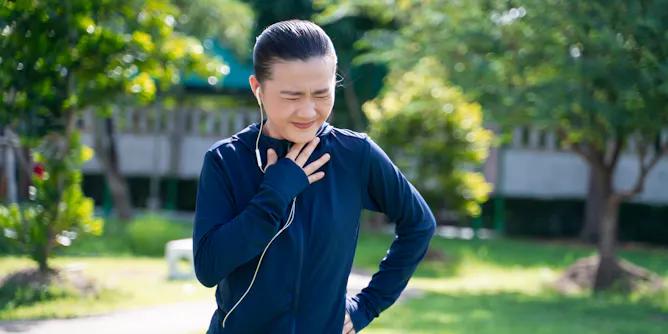
Between 2.3% and 5% of all cases of anaphylaxis globally are triggered by exercise.
Articles on Anaphylaxis
Displaying 1 - 20 of 21 articles
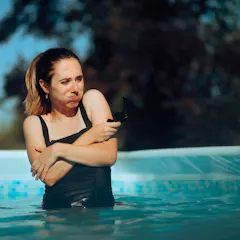
A rare condition means ice cubes, cold drinks and winter air can all trigger hives, swelling and even anaphylaxis.

Food allergies or health-related diet restrictions make navigating a holiday treat tray or buffet line risky. But there are steps guests — and party hosts — can take to make everyone safer.

Reassuringly, documented allergic reactions during flights are very rare. But there are precautions you can take to reduce any risk.

An allergic reaction happens when your immune system overreacts to something that should be harmless. Whether that happens can be thanks to your genes, your environment or a combination.
A recent study found First Nations Australians were twice as likely to present to an emergency department with asthma or other allergy-related illnesses.
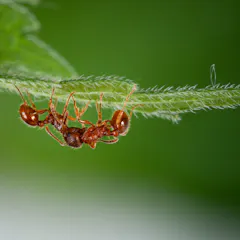
Most stings can be safely handled at home. But in rare cases, you can get a serious allergic reaction, which needs urgent medical attention.

The risk of a severe allergic reaction when pholcodine is combined with common medicines used in anaesthesia has lead to their recall in Australia.

Food allergies have been linked to behavioral and mood disorders, including depression, anxiety and ADHD.
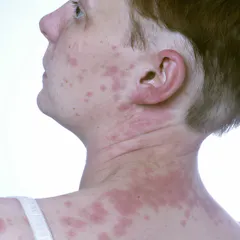
Hives are an allergic reaction and can sometimes be a sign of a more serious immune response.

Up to 35% of people misdiagnose themselves (or their children) with a food intolerance or allergy. It’s time to set the record straight.
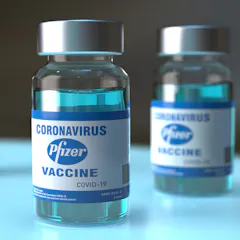
Reports of two UK health workers having allergic reactions after receiving Pfizer’s COVID vaccine have led to safety warnings for others at risk of anaphylaxis.

Introducing food allergens early is the best way to prevent food allergies from developing. Even in a pandemic, the benefits outweigh the very small risk of a severe reaction requiring emergency care.

Evidence from a new study could help scientists develop drugs to neutralise the ‘allergic antibodies’ that cause anaphylaxis.

New research confirms the benefits, but few hospitals in the UK provide these services at present.

Peanut allergens have multiple allergenic traits that set them apart from other nuts.

There are still some serious issues around food labelling that must be addressed and enforcement is one of them.

With food allergies on the rise, it’s important to understand the role the skin plays in protecting or exposing us to reactions.

A new study has found some foods may contain allergens even if there’s no warning.
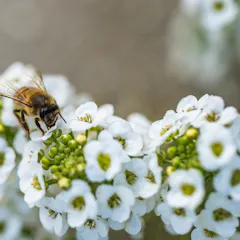
While bee sting deaths are rare, bees cause more hospitalisations than any venomous creature.
Top contributors
-

Evidence and Translation Lead, National Allergy Centre of Excellence; Chief Investigator, Centre of Food Allergy Research; Associate Professor and Group Leader, Childhood Allergy & Epidemiology Group, Child Health Research Centre, The University of Queensland
-
Postdoctoral Research Fellow, Child Health Research Centre, Faculty of Medicine, The University of Queensland
-
Staff Specialist General Paediatrician at John Hunter Children's Hospital, Newcastle, Australia. Conjoint Lecturer & PhD student, University of Newcastle
-
Post Doctoral researcher - Experimental and Translational Respiratory Medicine Research Group, University of Newcastle
-
Associate Professor and Endowed Research Chair in Allergy, Asthma and the Environment, University of Manitoba
-
Professor&Chair of Paediatrics | HMRI, University of Newcastle, Australia | Senior Staff Specialist Paediatric Respiratory&Sleep Medicine | John Hunter Children's Hospital, Australia, University of Newcastle
-
Professor of Pharmaceutical Chemistry, Macquarie University
-
Research Manager, Melbourne Clinical And Translational Sciences, The University of Melbourne
-
Pediatric Allergist; Head & Clinical Associate Professor, Division of Allergy & Immunology, Department of Pediatrics, Faculty of Medicine; Investigator, BC Children's Hospital Research Institute, University of British Columbia
-
Senior Lecturer in Food Law, Manchester Metropolitan University
-
Clinical Lecturer, Discipline of Childhood and Adolescent Health, University of Sydney
-
Molecular Biologist and Postdoc @ Deakin AIRwatch pollen monitoring system., Deakin University
-
Professor, The Children's Hospital at Westmead Clinical School and Sydney Infectious Diseases Institute, University of Sydney
-
Clinical Associate Professor of Nursing, UMass Lowell
-
Clinical Associate Professor, The University of Melbourne