

The use of polluting household fuels and gas was associated with an increased likelihood of eczema, followed by severe asthma symptoms.
Articles on Eczema
Displaying 1 - 20 of 32 articles

Some studies indicate children with pets may be less likely to have allergies. But the evidence can be tricky to interpret.

A recent study found First Nations Australians were twice as likely to present to an emergency department with asthma or other allergy-related illnesses.

A rash may develop on your skin even if you’re not allergic to grass.
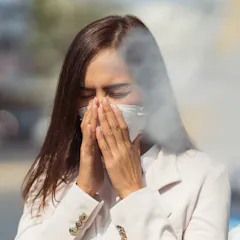
Air pollution can penetrate deep beneath the skin’s protective outer barrier.

Increasing clinical evidence links changes in the composition of the gut microbiome to the development of various skin diseases such as eczema.

From synthetic fabrics to car exhaust to wildfires, exposure to environmental pollutants push the skin microbiome to adapt in ways that reduce its ability to protect the skin.
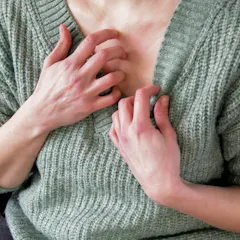
Itch-sensing neurons in your skin are intertwined with your immune cells. Counterintuitively, the molecule that connects them triggers responses that both worsen and improve skin conditions.
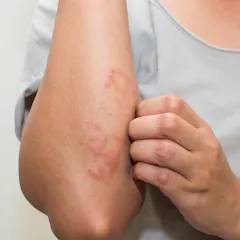
When eczema is very active, the skin literally bubbles with fluid and can begin to weep. Bacteria love to colonise and infect this type of eczema.
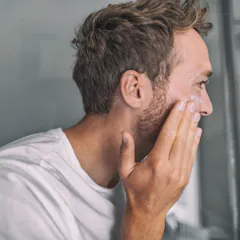
Patients and some doctors have an inflated sense of the risks of low-to-moderate strength cortisone cream and might not use enough to be effective.
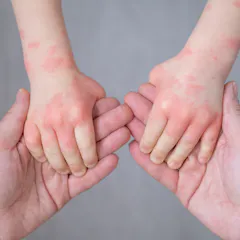
Although most skin conditions aren’t dangerous, they can be painful, irritating and frustrating to deal with.
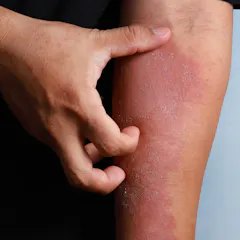
Many doctors currently diagnose skin conditions by eye. Advances in molecular testing could lead to more precise and accurate diagnoses for ambiguous rashes and skin lesions.

In Summer, you may need to be extra sun smart if you’re swallowing certain medications or putting them on your skin.

Up to 35% of people misdiagnose themselves (or their children) with a food intolerance or allergy. It’s time to set the record straight.
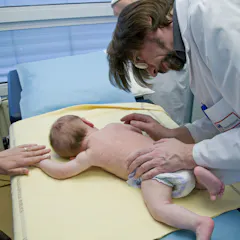
Can a naturally occurring skin microbe help millions who suffer from eczema?
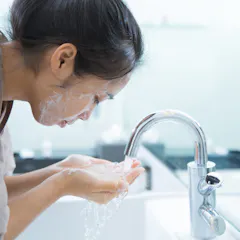
If you looked at the ingredient list on your body wash, shampoo, toothpaste and cleaning products, you’d probably find most contain sodium lauryl sulfate (SLS). It is a known irritant to human skin.
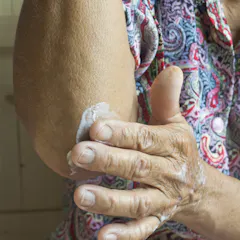
Common emollients used to treat skin conditions are a hidden fire risk in most homes.

Can your kids be too clean? Increases in allergies suggest so. But how much dirt is too much? A pediatric allergist explains the fascinating reasons the immune system needs dirt for training.

Avoiding certain foods risks malnutrition.

With food allergies on the rise, it’s important to understand the role the skin plays in protecting or exposing us to reactions.
Top contributors
-

Chief, Epithelial Therapeutics Unit, National Institute of Allergy and Infectious Diseases
-
Associate Professor in Pharmacy and Pharmaceutical Sciences, The University of Queensland
-
Evidence and Translation Lead, National Allergy Centre of Excellence; Chief Investigator, Centre of Food Allergy Research; Associate Professor and Group Leader, Childhood Allergy & Epidemiology Group, Child Health Research Centre, The University of Queensland
-
Grant Chair of Dermatology, Wellcome Trust Senior Research Fellow, University of Edinburgh
-
Professor of Dermatology, The University of Queensland
-
Lecturer in Human Nutrition and Dietetics, Glasgow Caledonian University
-
Paediatric Allergist and Gastroenterologist, Murdoch Children's Research Institute
-
Staff Specialist General Paediatrician at John Hunter Children's Hospital, Newcastle, Australia. Conjoint Lecturer & PhD student, University of Newcastle
-
Postdoctoral Researcher, Dermatology Research Centre, The University of Queensland
-
Consultant Paediatrician and Senior Lecturer in Child Health, University of Aberdeen
-
Professor of Dermatology, The University of Melbourne
-
Research Fellow, Murdoch Children's Research Institute
-
Consultant Dermatologist, St Vincent's Hospital Melbourne
-
Associate Professor of Dermatology, University of California, San Francisco
-
Post Doctoral researcher - Experimental and Translational Respiratory Medicine Research Group, University of Newcastle