
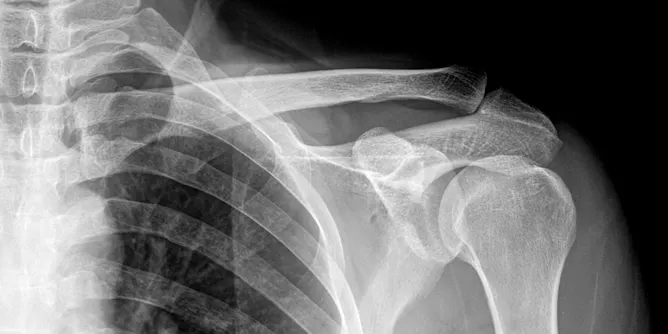
Lead might not be in paint or gasoline anymore, but since it doesn’t break down in the home or the environment it remains a problem throughout the U.S.
Articles on Flint water crisis
Displaying 41 - 48 of 48 articles

Children exposed to lead are at elevated risk for learning delays and academic issues.
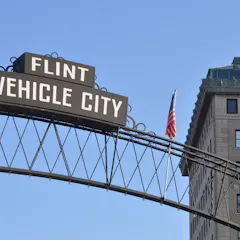
The state takeover and fiscal crisis in Flint hamstrung city managers, making it hard to provide basic services like water.

Treating municipal water, particularly from rivers, is difficult technically and cash-strapped municipalities like Flint don’t always know the latest science.

The University of Michigan-Flint puts experts from academia in the same room as Flint community members, an innovative model for educating the community and forming the public health response.

A new model of citizen-led science is emerging – as in the case of Flint, Michigan’s poisoned water. Rather than simply supporting scientists, citizens ask their own questions and set the research agenda.

A wake-up call from Flint: the U.S. has made great gains in reducing lead exposure, but the country is still saddled with millions of miles of water-carrying lead pipes.
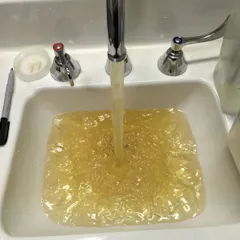
If Flint, Michigan were an affluent suburb, would residents have been exposed as long to drinking toxic water? Pioneering scholar Robert Bullard calls Flint’s crisis a classic case of environmental discrimination
Top contributors
-

Lynton K. Caldwell Professor of Public Affairs, Indiana University
-
Professor, Physics and Astronomy, McMaster University
-
Assistant Professor of Climate Adaptation, University of Washington
-
Associate Professor of Public Affairs and Administration, Rutgers University - Newark
-
Assistant Professor of Communication Studies and Faculty Associate at the Institute of Social Research, University of Michigan
-
SUNY Distinguished Professor of History, Stony Brook University (The State University of New York)
-
Assistant Professor of Marketing, Ross School of Business, University of Michigan
-
Associate Professor of Environmental Engineering, University of Colorado Boulder
-
Associate Professor in American and International Politics, University of Birmingham
-
Distinguished Journalist In Residence, Arthur Carter Journalism Institute, Retraction Watch
-
Associate Professor of Family Medicine, University of Michigan
-
Assistant Professor, Hubert Department of Global Health, Rollins School of Public Health, Emory University
-
Vice-President Research & Innovation; professor of chemistry and biology, Faculty of Science, Toronto Metropolitan University
-
Dean, School of Public Affairs, Texas Southern University
-
Assistant Professor of Sociology, Central Michigan University