
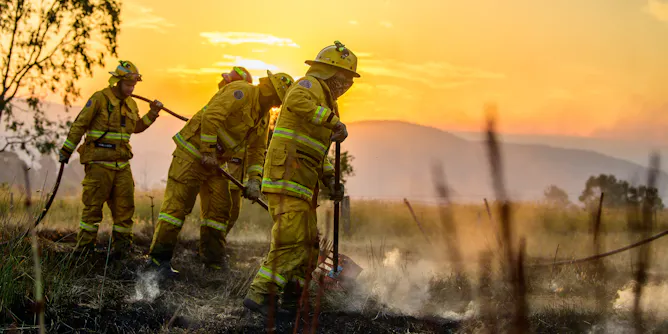
People who work in emergency services, such as firefighters, are more likely than others to develop symptoms of anxiety, depression and post-traumatic stress.
Articles on PTSD and first responders
Displaying all articles

As social media platforms make it easier for millions of people near and far to witness public violence, the harmful effects have far greater reach.
Feelings of sadness or irritability that last a month or more after a life-threatening event could be signs of acute stress or PTSD.
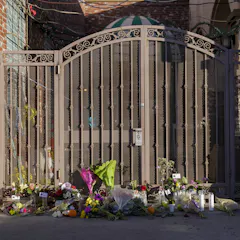
Even people who are only indirectly exposed to these repeat tragedies, such as first responders and those affected by media coverage, can experience profound and long-lasting grief.

People who are directly affected by mass shootings may develop PTSD and depression. But those who are indirectly exposed to these tragedies can also experience profound and long-lasting grief.
A significant proportion of volunteer firefighters report devastating post traumatic stress and thoughts of suicide. We need to support them better.
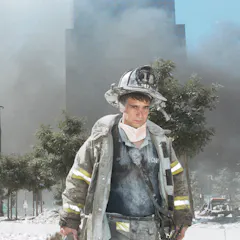
Those directly exposed to toxic dust and trauma on and after 9/11 carry with them a generation of chronic health conditions, which are placing them at higher risk during the pandemic and as they age.
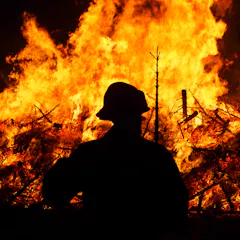
Firefighters are hailed as heroes and pillars of strength, bravery and courage. But the daily stressors and traumas of their jobs take a heavy emotional toll that largely goes unnoticed by the public.
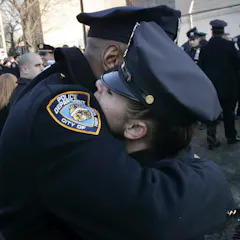
Police officers face dangerous situations every day, and many suffer trauma as a result.
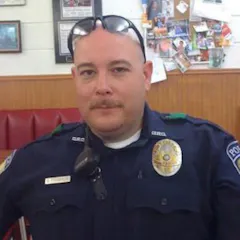
The shooting deaths of five police officers in Dallas are a tragic reminder of the dangers that police face. They pay a price in mental and physical health.
Top contributors
-

Professor of Psychiatry, Wayne State University
-
Professor of Epidemiology and Environmental Health, University at Buffalo
-
PhD candidate, Edith Cowan University
-
Lecturer, Paramedical Science, School of Medical and Health Sciences, Edith Cowan University
-
Professor, Department of Psychiatry, The University of Melbourne
-
Associate Professor, Department of Psychiatry, The University of Melbourne
-
Associate Professor of Emergency Medicine & Clinical Psychologist, University of Colorado Anschutz
-
Associate Professor, Paramedicine and Head of Department, Rural Allied Health, La Trobe University
-
Professor of Occupational and Environmental Health Sciences, Florida International University