

A survey of young New Zealanders finds four in ten didn’t view buy now, pay later as debt. That perception can influence how they use it.
Articles on Fintech
Displaying 1 - 20 of 54 articles

Good habits by consumers can stymie scams, but US regulations have fallen behind the technology.

AI use in financial services is already widespread.
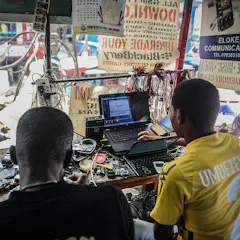
Crypto works in Nigeria because of very human networks of trust.

Banks are sharing more of your data with fintechs, opening the door to products and services that could help you manage your money better.

In Africa, four countries cover the lion’s share of IA-related investments. But a few other countries on the continent are displaying undeniable potential in the field.

Banking is set to be fundamentally rewritten by artificial intelligence, whether we’re ready or not. The real test is whether that transformation will be fair.

India’s fintech sector is spread widely across the country.

Lifting the licensing ban is expected to strengthen banks and, possibly, competition.

Ghana is dropping its mobile tax at a time when other countries are trying to introduce one.

There is a lack of women guiding the booming fintech industry.

The Commerce Commission says New Zealand’s banking sector is uncompetitive. But in the rush to fix the problem, regulators need to ensure they don’t introduce risk and instability into the system.

Coverage is celebratory and offers limited cautionary and critical reporting to the public and to policymakers.

More diversity in the banking sector can help with stability, but Revolut’s two-year wait for a UK banking licence indicates regulatory caution.

The outcomes of increased financial inclusion in Ghana have been mixed

More Nigerians are using mobile money but it is fraught with inherent dangers that must be tackled.
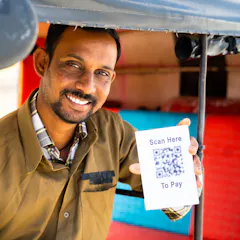
The UK could learn a lot from developing economies about using digital payments to boost financial inclusion.

Nigeria’s Central Bank didn’t have an adoption strategy for its digital currency. It was a missed opportunity.

Market-led microcredit innovations dominated by profit maximisation can harm the very vulnerable.

Research into Chinese peer to peer lending data shows that borrowers from regions with more minority dialects receive smaller loans.
Top contributors
-

Professor of Global Development and Accountability, University of Essex
-
Professorial fellow, Monash University
-
Senior Research Associate, One Earth Future Foundation
-
Professor of Law, University of East London
-
Associate Professor in FinTech & Information Systems, University of Southampton
-
Associate Professor of Finance, UNSW
-
Senior Research Associate in Media and Communications, University of Sydney
-
Head of School at the School of Accounting, Curtin University
-
Visiting Fellow, Macquarie University Applied Finance Centre, Macquarie University
-
Professor of Banking and Finance, University of Sharjah
-
Lecturer in Corporate Law and Corporate Governance, Western Sydney University
-
Hon Associate Professor. Research interests - AI and the law; Social relationships of trust; Sustainable futures, Australian National University
-
Executive Director, Australian Centre for Financial Studies
-
Professor of Law, Monash University
-
Chair professor, Lancaster University