
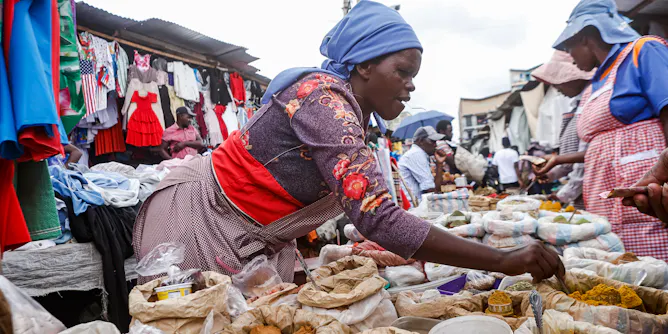
Technology can help countries with high levels of informal workers build stronger tax systems, if there are strong foundations and the right incentives.
Articles on Financial inclusion
Displaying 1 - 20 of 35 articles

New research shows that digital payment technology does not always increase financial inclusion for everyone.

The harms of digital lending, such as over-indebtedness, are increasingly being documented by researchers and in Kenyan media.

Countries around the world could adopt their own digital currency yet there is still work to be done by central banks to weigh up the risks and benefits.
Coverage is celebratory and offers limited cautionary and critical reporting to the public and to policymakers.

The outcomes of increased financial inclusion in Ghana have been mixed

Women’s Day is used to draw attention to the issues women still face in South Africa.

Illegal money lending has almost certainly become a bigger problem during the cost of living crisis.

The UK economy could benefit from a digital pound, but is there a role for crypto?

Market-led microcredit innovations dominated by profit maximisation can harm the very vulnerable.
Not only are physical banks out of reach, people also face barriers to using digital financial services.
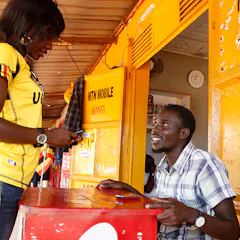
E-payments make it easy for banks to keep trail of transactions because they are recorded in real time.
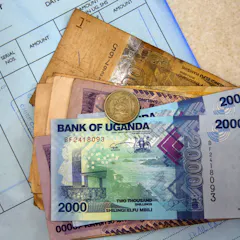
It’s individuals, communities, and institutions who build the necessary confidence to pursue complex and challenging solutions to their problems.

The FinTech ecosystem in Ghana provided the basis for understanding how various actors work together to shape financial inclusion.
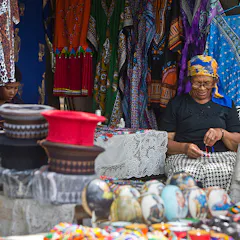
South Africa has a huge gender gap in terms of policies and interventions that would help women entrepreneurs.

It’s time to shift focus away from bitcoin and to pay more attention to other blockchain projects promising to make real contributions to the world.
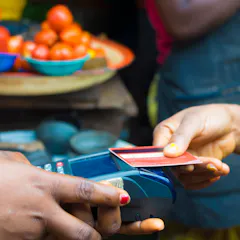
Banks can deploy artificial intelligence to create an understanding of current and prospective consumers and develop products that meet their needs.
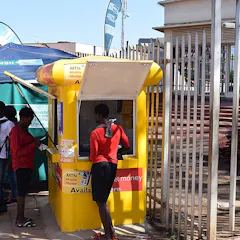
An attempt to prevent fraud in Ghana’s burgeoning mobile money sector could be a setback for access to financial services.
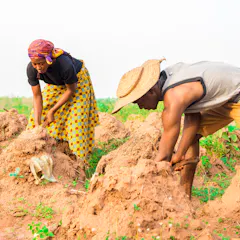
Sustainable financial inclusion in Nigeria requires interventions that strengthen financial capability, participation and well-being of small-scale farmers.

Stringent restrictions could stifle innovation among mobile money operators and hinder access to financial services.
Top contributors
-
Senior Research Associate, One Earth Future Foundation
-

Professor of Anthropology, London School of Economics and Political Science
-
PhD candidate, University of Pretoria
-
Associate Professor in FinTech & Information Systems, University of Southampton
-
Professor of Agricultural Economics, University of Pretoria
-
Associate Professor, University of Johannesburg
-
Coventry University
-
Associate Professor in the Study of Modern China, Lund University
-
Senior Researcher: Institute of Poverty Land and Agrarian Studies, University of the Western Cape
-
Associate Professor, School of Archaeology and Anthropology, Australian National University
-
Director: Institute for Poverty, Land and Agrarian Studies, University of the Western Cape
-
PhD Candidate in Financial Inclusion, University of the Witwatersrand
-
Passionate about Small, Medium and Micro Enterprises | Marketing Executive | Master of Business Administration (MBA) | Digital Marketing Expert, University of Johannesburg
-
Associate research scientist, University of the Western Cape
-
Education and Development Coordinator, Centre for Rural Regional Law and Justice, Deakin University