
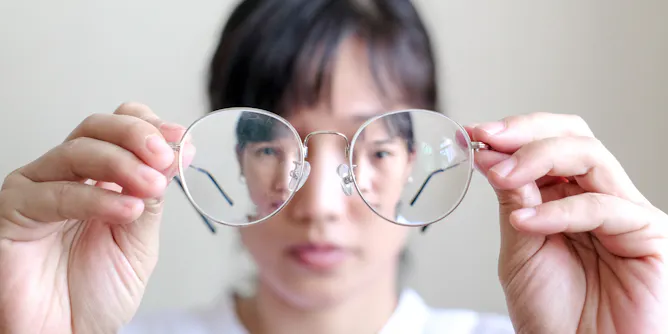
The study found 30% of adults born between 1965-1970 were short-sightedness.
Articles on Eyesight
Displaying 21 - 40 of 69 articles
Orthokeratology involves wearing a specially designed rigid contact lens overnight. There’s good evidence it can help slow the progression of myopia. But like all treatments, there are risks, too.

Understanding your genes is a great way to understand certain things about yourself — yet, who we are is determined by so much more than just DNA.

Researchers are still uncovering how modern lifestyles may be causing this increase.
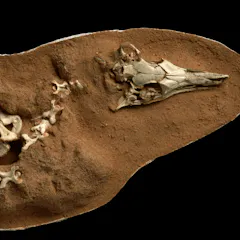
By looking at the eye bones and ear canals of extinct dinosaurs, researchers show that a small ancient predator likely hunted at night and had senses as good as a modern barn owl.
Parkinson’s disease may be diagnosed by looking for subtle changes in eye movements and thinning of retina layers.
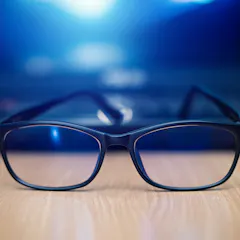
Some health products haven’t been tested for the benefits that they claim to produce. Blue-light blocking lenses are promoted as helping sleep cycles, but there is no evidence to support this.
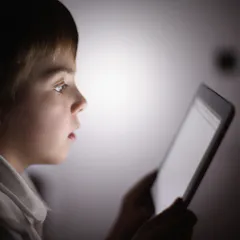
With online learning and social distancing, kids are spending more time staring at screens and less time outdoors. That can put them at higher risk of myopia and serious eye problems in the future.
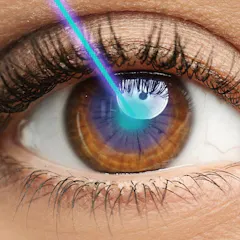
Laser surgery is touted as a good way to get rid of eyeglasses, but not everyone is suited for it. Plenty of research should be done before taking the plunge.
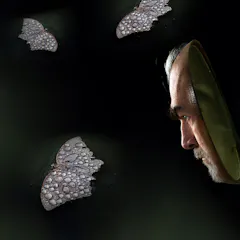
Charles Bonnet syndrome refers to visual hallucinations in people with acquired vision loss, and symptoms can last for many years.

Your brain balances messages coming from lots of different places to help you see, imagine, remember and dream.

Research suggests that students from the most disadvantaged backgrounds are the most likely to suffer from uncorrected vision problems.
Glaucoma is a serious disease which, if left untreated, can cause blindness. A professor of optometry explains the risks, process of diagnosis and available treatments.

Myopia is a major risk factor for serious eye diseases. It has become epidemic among children, particularly because of their heavy use of electronic devices.

We rely on depth to perceive objects, but not all of us see depth in the same way.
Our eyes don’t grow much at all – but when we’re very young, we still need to learn how to see.
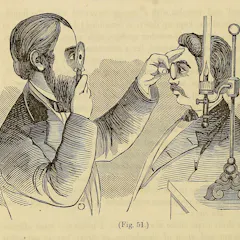
Screen time wasn’t a issue in the 19th century but that didn’t stop concerns over how new developments might damage eyesight
Your field of view is how much you can see without turning your head. When things are closer to us, they take up more of our field of view, which makes them look bigger.
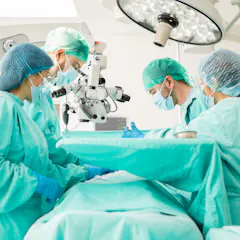
To improve wait times for surgery, Canada needs to fix its health-care system. Developing a national seniors’ strategy would be a good place to start.

Many people, from children to the elderly, wear glasses. Andy, age 5, wants to know how they work.
Top contributors
-

Professeur Titulaire. École d'optométrie. Expertise en santé oculaire et usage des lentilles cornéennes spécialisées, Université de Montréal
-
Clinical Associate Lecturer, University of Sydney
-
Foundation Director of Optometry Studies, Deakin University
-
Hugh Taylor is a Friend of The Conversation.
Melbourne Laureate Professor, Harold Mitchell Chair of Indigenous Eye Health, Melbourne School of Population and Global Health, The University of Melbourne
-
Lecturer in Optometry, University of Bradford
-
Professor School of Biomedical Sciences and Pharmacy (Anatomy), University of Newcastle
-
Professor for Chemical Biology and Genetics, Ludwig Maximilian University of Munich
-
Head of Diabetes Clinics, Baker Heart and Diabetes Institute
-
Lecturer & Coordinator, Graduate Diploma of Midwifery, University of Technology Sydney
-
Lecturer, Faculty of Business, Sport and Enterprise, Southampton Solent University
-
Professor of Optometry, Glasgow Caledonian University
-
Professor of Orthoptics, Graduate School of Health, University of Technology Sydney
-
Professor of Public Health Policy, Deakin University
-
Professor of Medicine, Monash University
-
Associate Professor of Neurobiology, University of California, Berkeley