

Some animal species have their eyes positioned on their heads differently than how people do – and it comes with pluses and minuses for how they see.
Articles on Eye
Displaying 1 - 20 of 31 articles

In romance novels and online advice columns, enlarged pupils are commonly enlisted as imagery to indicate sexual arousal and attraction. So, what’s the science say?
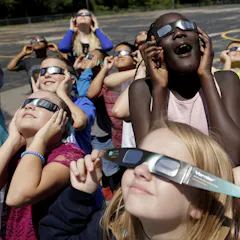
Now’s the time to get your hands on a pair of eclipse glasses in preparation for April’s display of celestial wonder.

They’re heavily promoted. Your optometrist may even prescribe them. But when we looked at the evidence, this is what we found.

Why is it so difficult to swat a fly? A team of insect experts explains how a fly’s sophisticated vision allows it to quickly react to visual cues.

There’s more to reindeer than meets the eye.
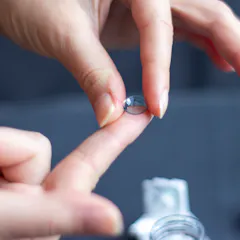
Orthokeratology involves wearing a specially designed rigid contact lens overnight. There’s good evidence it can help slow the progression of myopia. But like all treatments, there are risks, too.
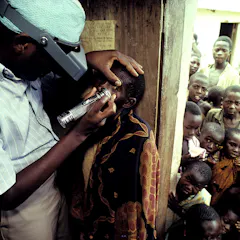
The Gambia’s success in eliminating trachoma means that resources previously allocated to combating the disease can now be reallocated to other public health conditions
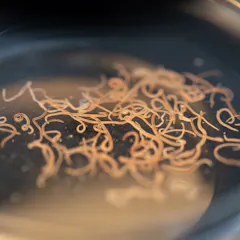
‘Worm’ is really a catchall term for a huge variety of animals with different characteristics that span the tree of life. They hold clues about our own origins as well as hints about human health.
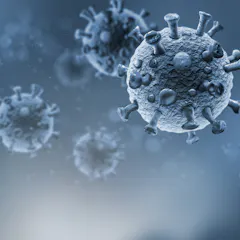
Some viruses can hide out in the body and reemerge at later times. Which viruses do this, and can the new coronavirus do this too?

Strategies to cure various types of blindness are looking more plausible after a series of recent breakthroughs using gene editing and gene therapy.
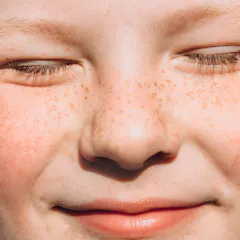
Having longer top eyelashes can enhance our ability to express our feelings and communicate with others. But the most significant reason we have them is to protect our eyes.
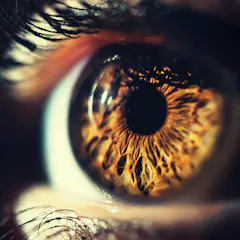
The causes of most inherited forms of blindness are unknown. Now more than 260 genes never before linked to eye development could lead to new therapies and diagnostics.
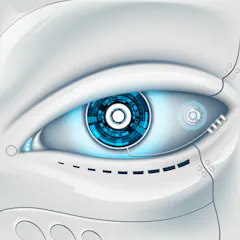
For roboticists looking to nature for inspiration on how animals see the world, there’s a tension between mimicking biology and capitalising on the advances in camera technology.

In an ant’s world, the smaller you get the less you can see. So how does that affect an ant’s ability to avoid hitting any obstacle as it walks about?
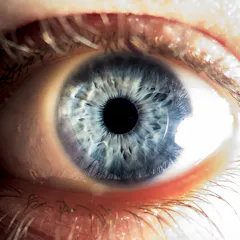
Stem cell treatments for eye disease always seem to be just on the horizon, but real progress is being made.
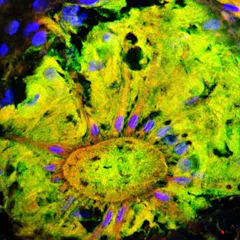
We’re used to thinking of our eyes detecting light as the foundation of our visual system. But what’s going on in other cells throughout the body that can detect light, too?
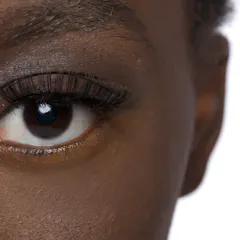
Glaucoma is a slow and silent progressive disease and the second leading cause of blindness, that requires early diagnosis.
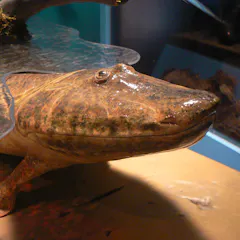
The first truly terrestrial animals evolved from ancient fishes that left the water for land. But what prompted to move has been a mystery.

Mammals’ ancestors had a third eye and the fossil record of its disappearance tells us the story of the evolution of one of our most important features: warm blood.
Top contributors
-

Postdoctoral Research Associate, Florida International University
-
Technical Officer, Deakin University
-
Professor of Visual Development, University of Bradford
-
PhD Candidate, Keele University
-
Professor of Orthoptics, Graduate School of Health, University of Technology Sydney
-
Postdoctoral Researcher in Cognitive Neurosciences, The University of Queensland
-
Associate professor in Vertebrate Palaeontology, University of the Witwatersrand
-
Research Associate, University of Leicester
-
Reader, Department of Physics, University of Bath
-
Provost & Vice-President Academic, Laurentian University
-
Professor of Biological Sciences, University of Maryland, Baltimore County
-
Researcher in Physics, Technion - Israel Institute of Technology
-
Optometry and Vision Science, University of Bradford
-
Emeritus Strategic Professor in Palaeontology, Flinders University
-
Professor, Director of the Centre for Robotics, Queensland University of Technology