

We have trillions of body clocks – a central one in the brain and others in each cell of our body. Here’s how they work with light to control our health.
Articles on Eyes
Displaying 21 - 40 of 91 articles
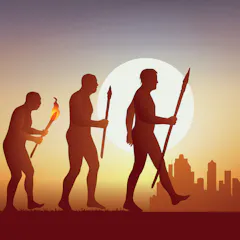
Light helps explains the evolution of our skin colour, why some of us have curly hair, and the size of our eyes. And light still shapes us today.
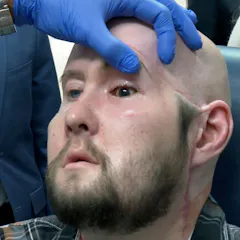
An anatomist explains why it’s so hard to perform whole-eye transplants.
Infections, vision changes and light sensitivity are just some of the complications caused by these procedures.
The eye is sometimes overlooked as a window on an individual’s overall health. A simple routine examination can help detect a number of diseases.
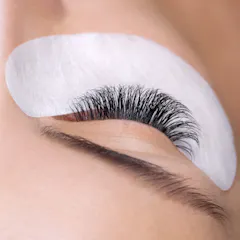
From inflammation of the eye to allergies and infections, lash enhancements may not be a healthy investment in your looks
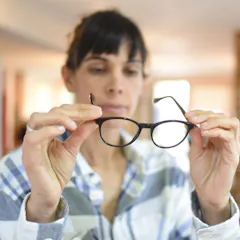
Some of the ads promise that you can throw away your glasses. But what does the evidence say?

Phone cameras are an example of what’s called computational photography. Digital tools built into these cameras can enhance your images in real time.

It’s a question of evolution and adaptation.

While reading, scrolling and focusing on other objects near our faces increase the risk of developing myopia, a little time outdoors in the sun can help mitigate it.
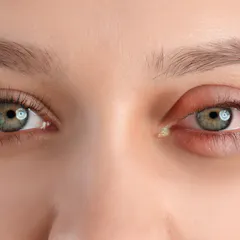
Rubbing your eyes might feel satisfying but it could introduce pathogens to the body. Here’s a summary of the most common eye infections.
A loss of visual sensitivity could be an early predictor of dementia.
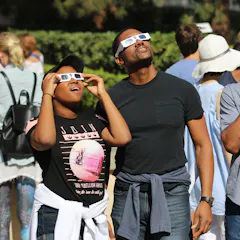
A total solar eclipse is a beautiful phenomenon worth seeing, but worth seeing safely.
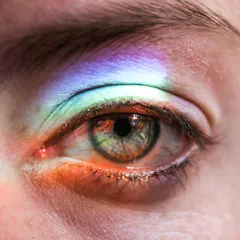
The most common eye colour is brown, then blue, and less often, green or hazel. But the human body only makes brown iris pigment.

Don’t skimp on your eye safety.
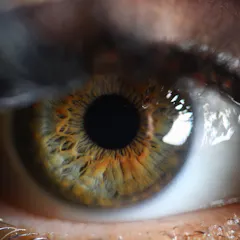
Typically, cataract surgeries are painless and significantly restore vision.
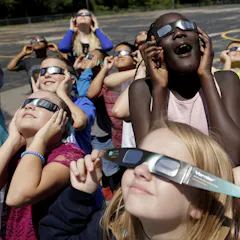
Now’s the time to get your hands on a pair of eclipse glasses in preparation for April’s display of celestial wonder.
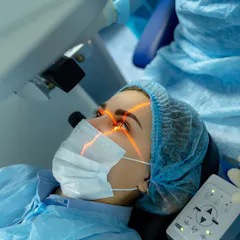
It is possible to have surgery to replace the crystalline lens, the natural lens of the eye, with an implant — without having a cataract. But surgery has risks.

Balancing well is a whole-body experience that develops over time and takes practice to master.

They’re heavily promoted. Your optometrist may even prescribe them. But when we looked at the evidence, this is what we found.
Top contributors
-

Professeur Titulaire. École d'optométrie. Expertise en santé oculaire et usage des lentilles cornéennes spécialisées, Université de Montréal
-
Professor of Anatomy, Lancaster University
-
Professor of Eye Health and New Technologies for Sight Improvement, Anglia Ruskin University
-
Professor of Pediatrics and Ophthalmology, West Virginia University
-
Clinical Associate Lecturer, University of Sydney
-
Postdoctoral Research Associate, Florida International University
-
Associate Professor of Dermatology, Bond University
-
Professor, Director of the Centre for Robotics, Queensland University of Technology
-
Professor of Clinical Ophthalmology & Eye Health, Central Clinical School, Save Sight Institute, University of Sydney
-
PhD student, The University of Queensland
-
Ecologist, bee researcher and stingless bee keeper, The University of Queensland
-
Professor in Psychology, University of Florida
-
Assistant Professor of Ophthalmology, University of Pittsburgh
-
Professor of Psychology, University of California, Berkeley
-
Professor of Ophthalmology, The University of Western Australia