
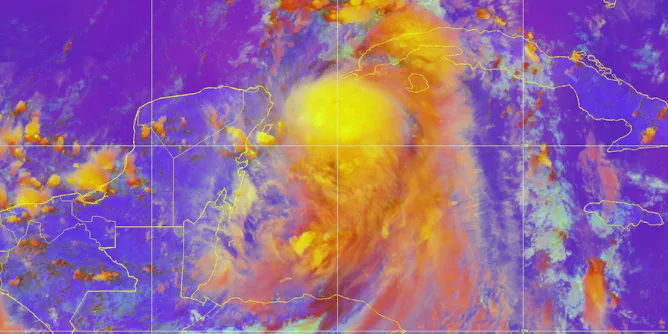
A hurricane scientist explains the conflict between 2023’s abnormally high ocean heat and the storm-disrupting wind shear accompanying El Niño.
Articles on Extreme rainfall
Displaying 21 - 40 of 58 articles

Even ‘climate havens’ face a riskier future, and infrastructure often isn’t built to handle climate change. But there are steps cities can take to prepare.
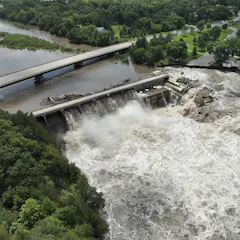
Heavier rainfall and more frequent storms raise the risk of floodwaters running over or around dams, potentially causing them to fail.

Parts of New York’s Hudson Valley were hit with 10 inches of rain, and the mountains of Vermont – where runoff can quickly turn deadly – saw some its worst flooding since Hurricane Irene.

Some were quick to point the finger at climate change when floods hit eastern Australia in February and March 2022, in the lead up to the federal election. But it’s not that simple, scientists say.
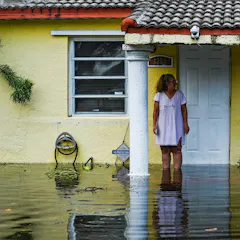
Nationally, 57% of the population says they’re not prepared for a flood disaster. Surveys and disasters show that those most at risk are least prepared.
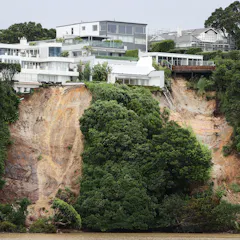
Building too close to cliffs and slopes, weak soils, lack of vegetation and increased rainfall all played a part in the massive storm damage to Auckland. The city needs to change the way it uses land.
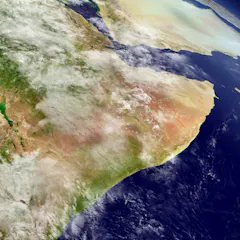
High intensity rain has actually increased, which is topping up underground water stores.
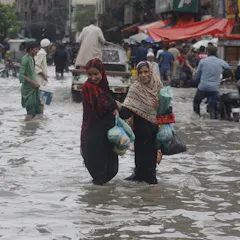
A climate scientist explains the forces behind the summer’s extreme downpours and dangerous heat waves, and why new locations will be at risk in the coming year.

Extreme downpours caught people off guard from Las Vegas to Kentucky in July 2022.
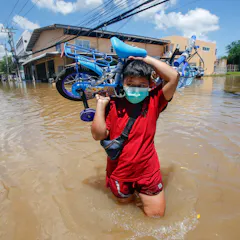
While surface temperatures were about the 6th warmest on record in 2021, the upper oceans were at their hottest – and they’re a stronger indicator of global warming. A top climate scientist explains.
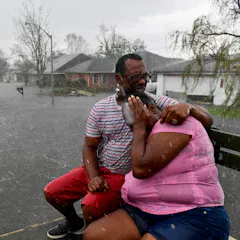
A hurricane that wreaked havoc from Louisiana to New York City, the Texas freeze and devastating western wildfires topped NOAA’s list of billion-dollar disasters in 2021.
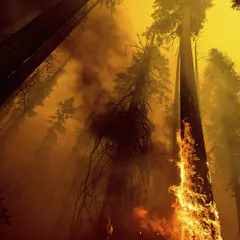
US disasters in 2021 told a tale of two climate extremes. A climate scientist explains why wet areas are getting wetter and dry areas drier.
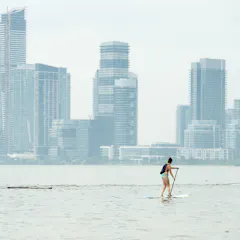
Shoreline communities are already faltering under the weight of billions of dollars in damages — and worrying that climate change will continue to make things even worse.

Southern Québec is warming twice as rapidly as the rest of the world due to the progressive loss of snow cover. An average annual warming of 3 C to 6 C is expected by the end of the century.
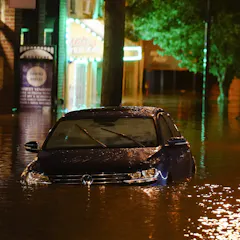
Evidence is mounting that, as the climate warms, the amount of rain falling in heavy storms is increasing, especially in the central and eastern US.
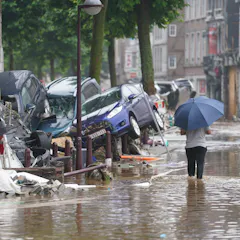
A new attribution study finds human-caused climate change made Europe’s July floods more likely. What about Tennessee’s flooding? An atmospheric scientist explains how scientists make the connection.
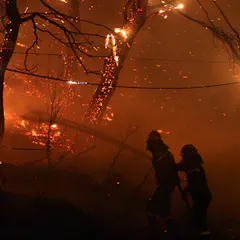
Academic research can shed light on crucial questions about what life on Earth will be like under the most plausible emissions scenarios. And a warning: the answers are confronting.

Globally, the temperature changed by half a degree Celsius, but it dramatically altered the likelihood of extreme local weather.
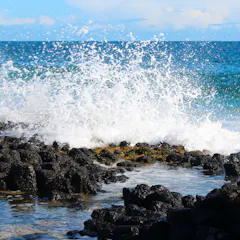
The water cycle is intensifying as the world warms, bringing heavier downpours and longer droughts.
Top contributors
-

ARC Future Fellow and Associate Professor in Climate Science, ARC Centre of Excellence for 21st Century Weather, The University of Melbourne
-
Principal Research Scientist in Extreme Weather, The University of Melbourne
-
Professor of Climate Science, UMass Lowell
-
Professor of Hydrology and Climate Risk, Adelaide University
-
Sydney Horizon Fellow, University of Sydney
-
Professor Emeritus of Climate and Space Sciences and Engineering, University of Michigan
-
Professor of Geology and Environmental Geosciences, University of Dayton
-
Professor of Hydrology and Geomorphology, Cardiff University
-
Postdoctoral Research Fellow in Atmospheric Sciences, The University of Melbourne
-
Adjunct Professor in Climate Science, Monash University
-
Distinguished Scholar, National Center for Atmospheric Research; Affiliate Faculty, University of Auckland, Waipapa Taumata Rau
-
Professor in Physical Geography, University of Liverpool
-
Principal research scientist, Australian Bureau of Meteorology
-
Associate Professor, Florida Institute for Built Environment Resilience, University of Florida
-
Research Assistant, GRIT Lab, University of Toronto