

The illicit market for tobacco is not an inevitable result of high excise taxes.
Articles on Excise tax
Displaying all articles

Taxes raise prices, and higher prices reduce smoking. But duty-free tobacco sales remain a policy anomaly and deny the government much-needed health revenue.

New taxes are never popular. But unless central government gives local bodies the power to raise more than just rates, budgets will never cover costs.
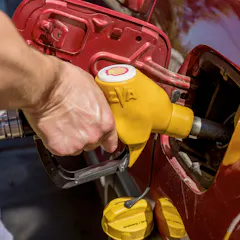
The amount households could expect to save varies significantly according to where they are located – and how often they drive.
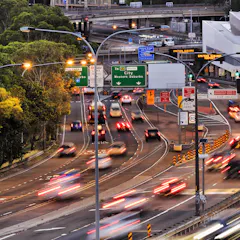
Australia is ready for a rational and transparent discussion about road-user charging on all vehicles, not just electric ones.

Since it was so widely consumed, beer has made the perfect target for taxation for governments throughout the centuries. But the way Australia taxes beer has caused prices to soar.

New modelling suggests increasing the price of tobacco would cause young people to use less cannabis – but those aged over 50 to use more.

The US homicide rate is far above the rate of other nations.
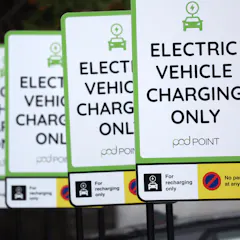
Electric vehicle owners appear to have no clear right to a refund despite the High Court determining that the tax charged by Victoria was invalid.

Every gun and bullet sold in the U.S. generates excise taxes to support conservation. But Americans are buying guns now for different reasons than in the past – and increasingly, not for hunting.

Governments must take urgent action to prevent noncommunicable diseases from becoming an uncontrollable epidemic in sub-Saharan Africa. Sugar-sweetened beverage taxation offers a potential solution.

Rwanda’s food policies focus on production to make sure people have livelihoods and enough nutritious food. Not much attention is given to overnutrition.
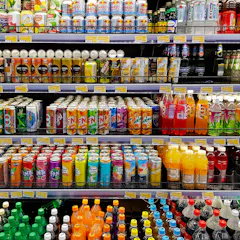
Tension between the government’s economic and public health priorities is preventing stronger fiscal measures to address nutrition-related noncommunicable diseases.

Between 2018 and 2019 Kenya registered a 30% spike in sugar production and an increase in sugar consumption.

Governments worldwide have put in place economic and tax relief measures to mitigate the impact on businesses and workers of drastic public health measures in response to the COVID-19 pandemic

Alcohol is classified by the World Health Organization as a Class 1 carcinogen. Our next federal government must step up with an Alcohol Act and a strategy to reduce harms from this recreational drug.

Micro-brewers are increasing in Australia, which is surprising given the unfair excises and rebates they face.

Countries that have successfully decreased illicit trade have typically used a combination of political will and technology. South Africa should join the pack.
Top contributors
-

Postdoctoral fellow, Johns Hopkins University
-
Associate Professor in International Business & Strategic Management, The University of Melbourne
-
Senior Lecturer, The University of Melbourne
-
Professor and Programme Director, SA MRC Centre for Health Economics and Decision Science - PRICELESS SA (Priority Cost Effective Lessons in Systems Strengthening South Africa), University of the Witwatersrand
-
Assistant Professor of Public Affairs, The Ohio State University
-
Scientist, Canadian Institute for Substance Use Research and Professor of Psychology, University of Victoria
-
Research Scientist, African Population and Health Research Center
-
Assistant Professor of Geography, Texas A&M University
-
Professor of Economic Development & Peacebuilding, University of San Diego
-
Research officer, African Population and Health Research Center
-
PhD Candidates, University of the Western Cape
-
Associate Professor in Taxation, Stellenbosch University
-
Professor in Public Health, University of Otago
-
Senior Lecturer (Associate Professor) in Business Economics, University of Bath
-
Coordinator of Postgraduate Programmes, School of Economics, University of Rwanda