
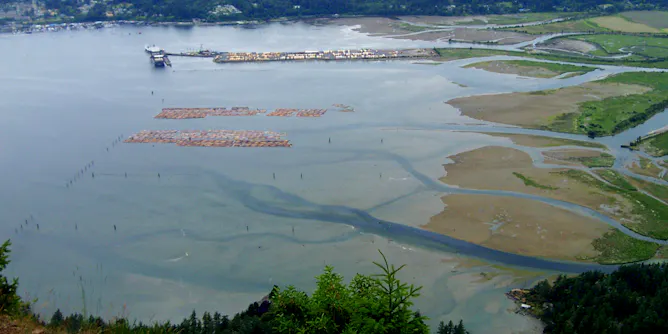
Fibreglass is denser than seawater, and it sinks quickly and accumulates in sediments where many coastal organisms live and feed.
Articles on Estuaries
Displaying 1 - 20 of 22 articles
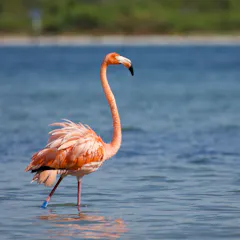
The gradual return of flamingos to Florida coincides with long-term efforts to restore the Everglades and the state’s coastal ecosystems.
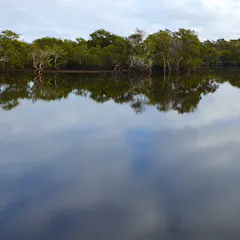
Researchers worked with Indigenous Rangers to map life in 34 estuaries across NSW using environmental DNA - and made a host of unexpected discoveries.
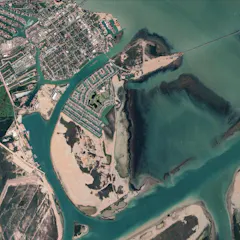
Some cities are building huge gates and barriers to counter the flood risk from estuary urbanization. But putting nature to work in a big way might be more effective.
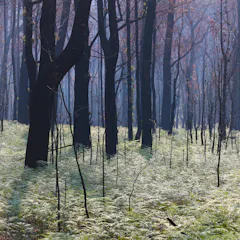
A new report challenges the notion that repairing our continent is a task too big and expensive to tackle.
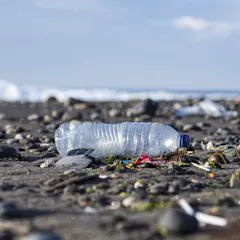
A new study shows up to 90% of floating plastic rubbish is captured in estuaries and inner shorelines. Local community cleanups can make a real difference by stopping pollution at its source.
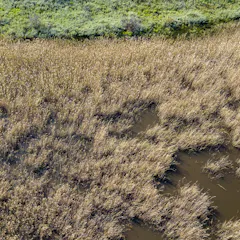
Wetlands can prevent flooding, trap carbon and support livelihoods, as long as they are protected and managed.
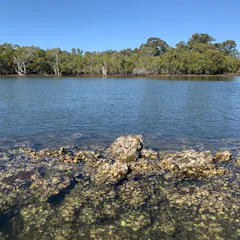
Herbicides and pesticides wash downriver from farms and towns – and some of these chemicals are taken up by oysters.
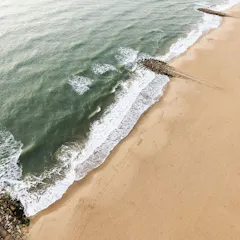
Coastlines need to be recognised as dynamic, shifting environments rather than as environments that need to be controlled and managed.
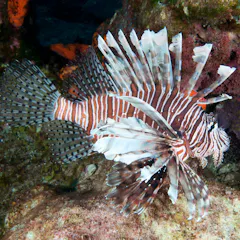
One of the most damaging invasive species in the oceans has breached a major barrier – the Amazon-Orinoco river plume – and is spreading along Brazil’s coast. Scientists are trying to catch up.
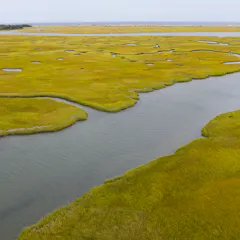
Mangroves and salt marshes pump out methane – but soak up carbon dioxide. Overall, the world’s coasts are a net greenhouse sink – and we must preserve them
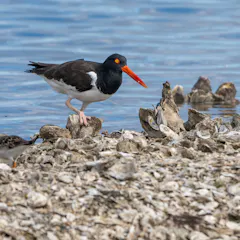
Climate change is making oceans more acidic globally. Now, scientists are finding that large storms can send pulses of acidic water into bays and estuaries, further stressing fish and shellfish.
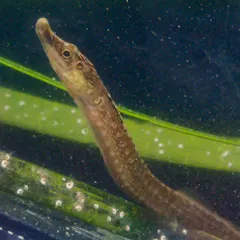
Environmental DNA like skin cells, blood and faeces can be extracted from water, soil, ice or air to provide a good snapshot of an ecosystem.

Mangroves support a significant amount of biodiversity and their soils can capture a great deal of carbon.
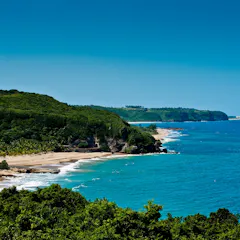
Puerto Rico’s tourism industry is booming as nations lift COVID-19 travel restrictions, but development is displacing people who have lived along its coastlines for years.
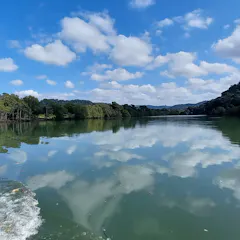
Estuaries shelter and offer respite to countless species of birds, fish and mammals.
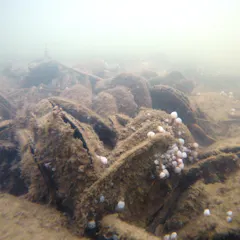
Leaf oysters can form reefs, produce mauve pearls, and reach the size of a dinner plate. They’ve been ignored for far too long.
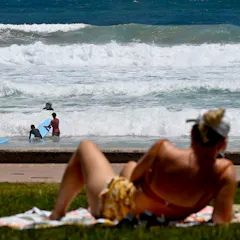
Australians tend to be fairly relaxed about the tsunami risk. But warnings from authorities to stay away from foreshore areas should not be ignored.

In northwest Mexico, biologists are building a network of radio towers to track how individual migratory birds move among important wetland areas.
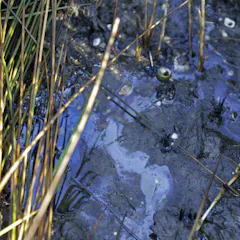
The 2010 Deepwater Horizon spill caused widespread damage in the Gulf of Mexico, but some parts of this complex ecosystem fared better than others.
Top contributors
-

Research Associate, Institute of Coastal and Marine Research, Nelson Mandela University
-
Professor, National Marine Science Centre, Southern Cross University
-
Professor of Biogeochemistry, Director of the Centre for Coastal Biogeochemistry, Southern Cross University
-
Associate Professor in Physical Oceanography, University of Auckland, Waipapa Taumata Rau
-
Senior lecturer in aquaculture, Pattimura University and doctoral student, Southern Cross University
-
PhD Candidate in Physical Geography, University of Auckland, Waipapa Taumata Rau
-
Professor of Environmental Science, University of Auckland, Waipapa Taumata Rau
-
PhD candidate, Curtin University
-
Postdoctoral Researcher, Department of Biological Sciences, Simon Fraser University
-
Professor of Anthropology and Marine Affairs, University of Rhode Island
-
Senior Research Fellow in Aquatic Ecology, Charles Darwin University
-
Research assistant, Southern Cross University
-
Professor, Fenner School of Environment & Society, Australian National University
-
Professor, Gender & Women's Studies, Anthropology & Marine Affairs, University of Rhode Island
-
Adjunct professor, Simon Fraser University