
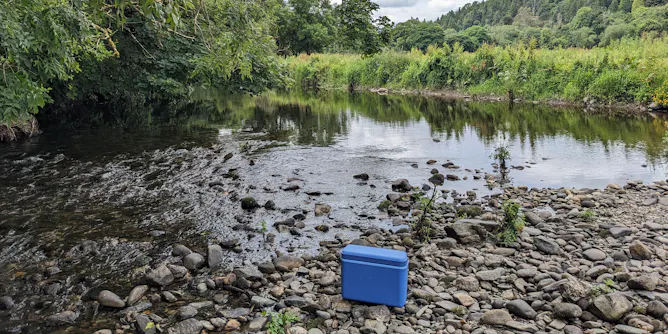
Environmental DNA contained in a small sample of water, sand or even air can reveal the presence of people, wildlife and pathogens, helping researchers track where they’ve migrated.
Articles on Environmental DNA
Displaying all articles

New EU legislation supporting healthier soils was adopted in December 2025 incorporating environmental DNA analysis which is proving useful but not totally efficient.
Researchers worked with Indigenous Rangers to map life in 34 estuaries across NSW using environmental DNA - and made a host of unexpected discoveries.

New ancient DNA research on Adélie penguin poo in Antarctica shows how several species respond to environmental change over time, including southern elephant seals.
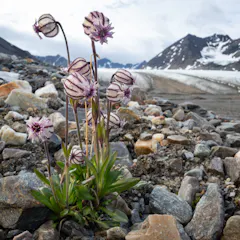
From the Arctic to the Himalayas, New Zealand and even Mexico, glaciers worldwide are retreating. But what happens when the ice is gone?

Monitoring methods based on environmental DNA are faster, more comprehensive and cheaper than traditional ecological surveys. They help fill gaps in New Zealand’s data on river health.
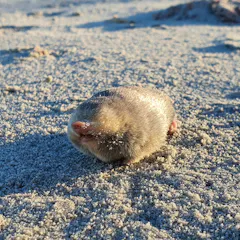
Scientists found De Winton’s golden mole by tracking its environmental DNA through the sand.
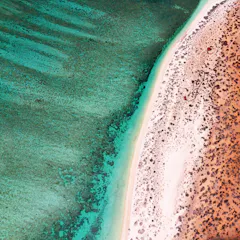
Every living thing leaves traces in its environment. By sampling water or even air for this environmental DNA, we can know which species live where.

We sampled 118 rivers and creeks before and after the Black Summer bushfires, searching for platypus DNA. Here’s what we found.
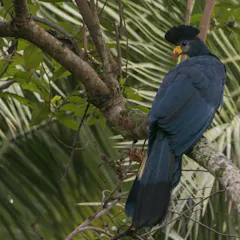
Many animal species can be detected using a simple, low tech method of collecting DNA from the environment.
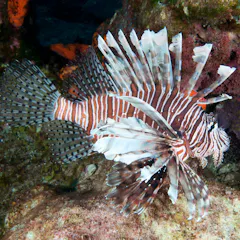
One of the most damaging invasive species in the oceans has breached a major barrier – the Amazon-Orinoco river plume – and is spreading along Brazil’s coast. Scientists are trying to catch up.
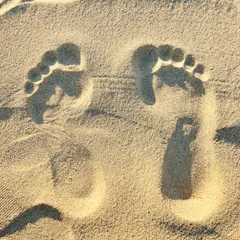
Environmental DNA provides a wealth of information for conservationists, archaeologists and forensic scientists. But the unintentional pickup of human genetic information raises ethical questions.
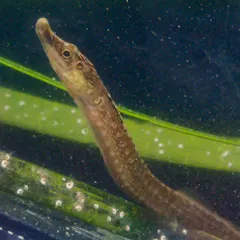
Environmental DNA like skin cells, blood and faeces can be extracted from water, soil, ice or air to provide a good snapshot of an ecosystem.
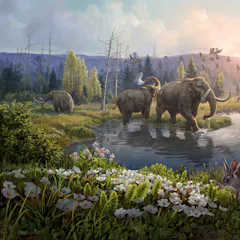
DNA frozen for 2 million years paints a picture of an extinct ecosystem.

There is an urgent need for greater awareness of the dangerous substances found in the environment.
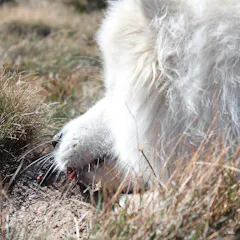
Just in case you needed another reason to love dogs.
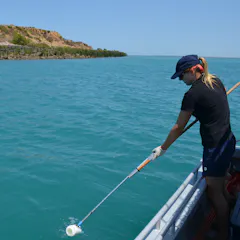
DNA sequencing means a scientist can take a bucket of seawater and ID every fish in the area. Now we need a universal ‘biobank’ of samples to make a truly powerful environment monitoring tool.
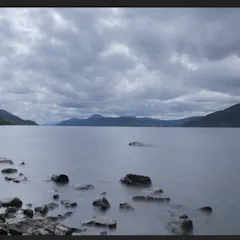
Scientists are using environmental DNA to compile a census of life in Loch Ness and to establish if there is any scientific basis for the centuries-old monster legend.
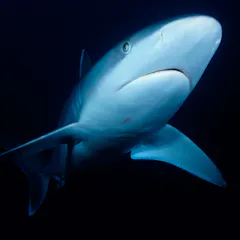
We cannot spot every shark in the ocean. But we can detect their ‘environmental DNA’.
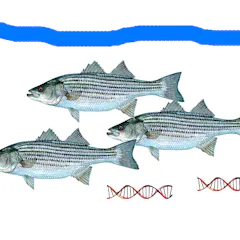
Animals shed bits of DNA as they go about their lives. A new study of the Hudson River estuary tracked spring migration of ocean fish by collecting water samples and seeing whose DNA was present when.
Top contributors
-

Adjunct Research Scientist in Marine Bioscience, University of Florida
-
Professor of Environmental Genomics, Curtin University
-
Leader, Environomics Future Science Platform, CSIRO
-
Honarary Professor in Environmental Genomics, University of Otago
-
Senior Research Scientist in Marine and Estuarine Ecology, Southern Cross University
-
Research Associate of Zoology and Entomology, Rhodes University
-
Postdoctoral associate, University of Florida
-
Adjunct Senior Research Scientist, The University of Melbourne
-
Research fellow, The University of Melbourne
-
Professor of Genetics, Cellular and Molecular Toxicology , University of Ibadan
-
Research Officer, Centre for Freshwater Ecosystems, La Trobe University
-
Research Fellow in Glacial Geomorphology, Monash University
-
Senior Research Fellow in Aquatic Ecology, Charles Darwin University
-
Professor, Molecular and Life Sciences, Curtin University
-
Senior Research Fellow and Field Director, Makerere University Biological Field Station, Makerere University