

Artificial intelligence can sift thorugh vast amounts of online social media and environmental data to predict avian flu outbreaks.
Articles on Epidemiology
Displaying 21 - 40 of 243 articles
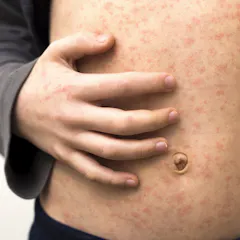
As public health officials try to tame the outbreak, declining vaccination rates draw concern.

Officials have confirmed eight new outbreaks in Michigan poultry flocks since mid-December.
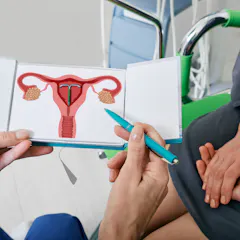
The contraceptive pill is responsible for preventing more cancers than it contributes to. Long-acting contraceptives seem to be as safe when it comes to cancer risk.
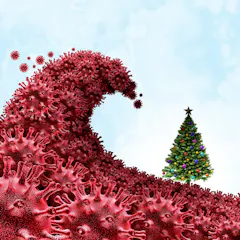
For some, the current peak of the wave has passed. For others, it’s more a slow rise in cases. Here’s what we can expect as the festive season approaches.
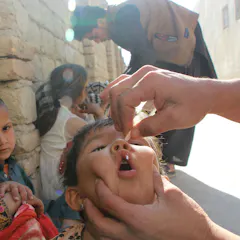
Herd immunity will protect people in those countries for now, but this is a concerning find.
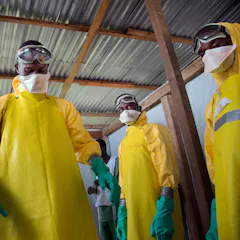
Several dozen people have died from an unknown disease in the DRC, and unknown numbers have become ill. This is why we need better disease surveillance.
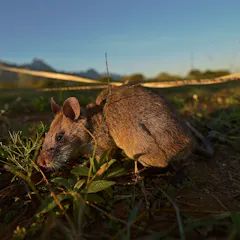
When occurring in nature, mpox is mostly confined to the humid forest regions of west and central Africa.

Going viral appears to be more than just a catchphrase when it comes to misinformation.
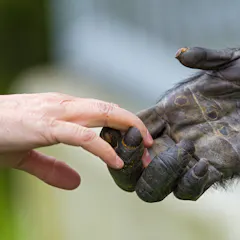
Infectious diseases can spill over from animals to humans as well as spill back. Each cross-species transmission gives pathogens a chance to evolve and spread even further.

An epidemiologist makes the case that a rush of research to stop a swine flu outbreak led to an accidental lab release of an extinct virus. Preparing for one pandemic triggered a different one.

Height does increase your cancer risk – but only by a very small amount.
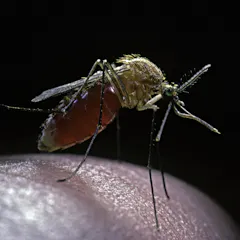
Most people who get infected with West Nile virus have mild symptoms, but in certain cases the illness can become serious or even deadly.

Detecting infectious agents in sewage is only the first step. Researchers are working on developing reliable ways to translate surveillance measurements to case numbers and infection predictions.

A new study uses maths and behavioural science to understand how your actions during an epidemic influence the spread of the disease (and vice versa).
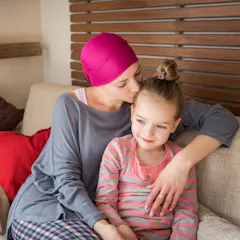
That depends on a number of factors, including the cancer you had initially, as well as your genes, environment and lifestyle.
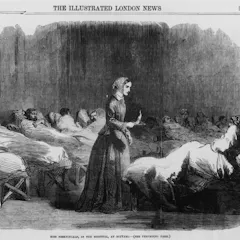
Among her 5 decades of accomplishments, Nightingale founded the world’s first nursing school and advocated health care for all.
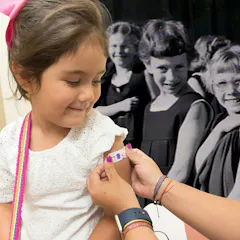
The chance of living one more year is up to 44% more likely thanks to the past 50 years of vaccines, according to new research. But global drops in vaccine coverage pose a risk.
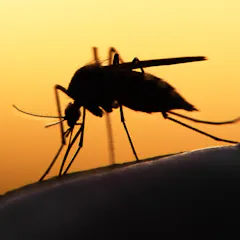
If the needs of both parasites and hosts are met by the niche, they can move in. Increasing biodiversity may therefore be a double-edged sword.
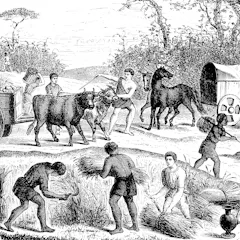
Human factors − such as how people produce food and how they organize themselves and live together − influence disease outbreaks.
Top contributors
-

Associate Professor, Epidemiology, Deakin University
-
Professor of Biostatistics and Epidemiology, Adelaide University
-
Professor, School of Medicine, University of Connecticut
-
Professor in Mathematical Biology, The University of Melbourne
-
Chair in Epidemiology, Deakin University
-
Head of School of Population Health and Professor, Infectious Diseases Dynamics and Interventions, UNSW
-
Professor of Epidemiology, Population Interventions Unit, Centre for Epidemiology and Biostatistics, Melbourne School of Population and Global Health, The University of Melbourne
-
Professor of Public Health, American University
-
Professor and Chair of Epidemiology, University of Michigan
-
Research Assistant Professor of Epidemiology, University of Michigan
-
Assistant Professor of Infectious Diseases, University of Pittsburgh
-
Ph.D. Student in Microbiology and Immunology, Vanderbilt Vaccine Center, Vanderbilt University
-
Matthew Flinders Professor of Global Ecology and Node Leader in the ARC Centre of Excellence for Indigenous and Environmental Histories and Futures, Flinders University
-
Honorary Enterprise Professor, School of Population and Global Health, and Department of General Practice and Primary Care, The University of Melbourne
-
Professor of Global Biosecurity, NHMRC L3 Research Fellow, Head, Biosecurity Program, Kirby Institute, UNSW