
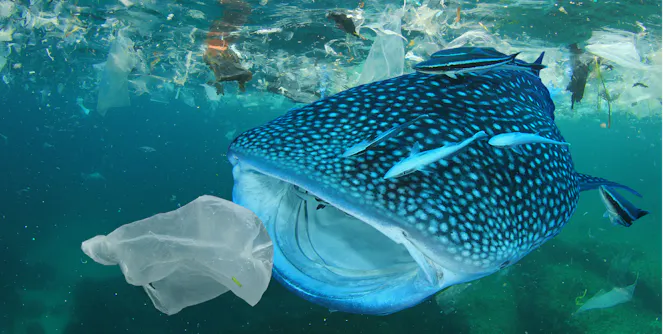
If we are truly invested in addressing the issue of marine plastic and offsetting the potential harms, we have to understand which fish eat plastic and which ones don’t.
Articles on Environmental justice
Displaying 81 - 100 of 122 articles
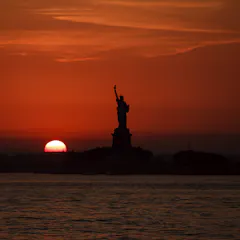
July is the hottest month in much of North America. Experts explain who is most affected by heat waves and ways to cope with them.

Many people who live near large-scale livestock farms complain about noxious smells, air and water pollution and health risks. With little help from regulators, they are turning to lawsuits.
Nestle pays the state a pittance in exchange for its water at a time when public awareness of water issues is rising.
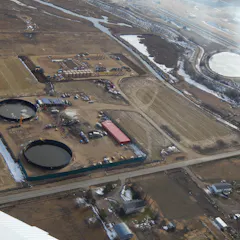
Many Coloradans feel powerless to protect themselves from pollution and other fallout caused by the state’s fracking boom.
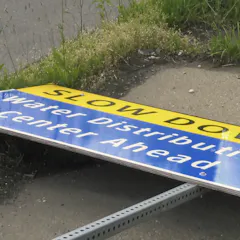
Michigan officials have ended distribution of free bottled water in Flint, but many residents believe the city’s water crisis is not over and have lost all trust in government.

Gentrification is not the only path for improving urban neighborhoods. A cleanup in Brooklyn and Queens offers another, more inclusive model that scholars have dubbed ‘just green enough.’
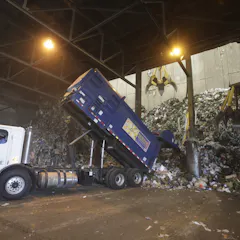
Most Americans don’t want incinerators in their neighborhoods, so waste management companies are burning trash in other facilities such as cement kilns. Is this a sustainable way to deal with garbage?

The Trump administration’s push for ‘energy dominance’ could spur a new wave of domestic uranium production. A scholar describes the damage done in past uranium booms and the visible scars that remain.
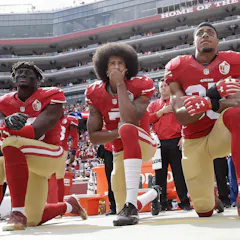
Much of the discussion about “Take a Knee” has overlooked the issues of justice and social exclusion, and especially environmental matters. That’s something to think about during the Super Bowl.
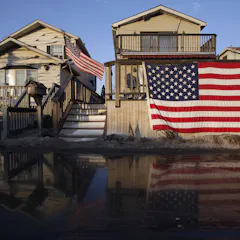
Five years after Superstorm Sandy, we see how disadvantaged social groups suffered more from the storm before and after – much as we’re seeing in Hurricanes Harvey and Maria.
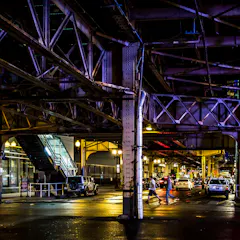
New research shows that noise pollution in US cities is concentrated in poor and minority communities. Beyond regulating airplane noise, the US has done relatively little to curb noise pollution.
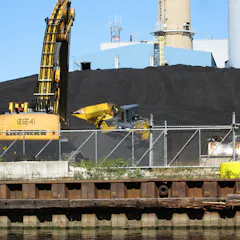
A recent study shows that large piles of coal produce measurable quantities of fine particulate air pollution within a 25-mile radius. Covering coal trains and storage piles could reduce the problem.
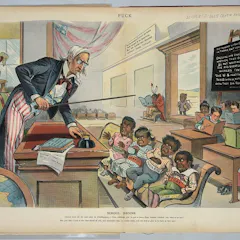
In Puerto Rico the Trump administration’s ‘energy dominance’ policy echoes colonial practices by fast-forwarding fossil fuel projects over community resistance.
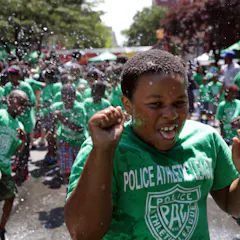
Climate change is making heat waves more frequent and intense around the world. Cities are hotter than surrounding areas, so urban dwellers – especially minorities and the poor – are at greatest risk.
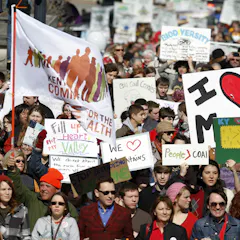
Are all people entitled to live in a clean and healthy environment? A legal scholar says yes, and argues for using this principle to address damage from polluting industries in Appalachia.
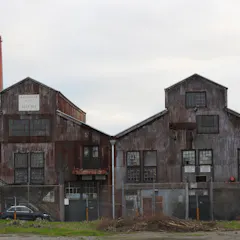
Cleaning up and reusing contaminated sites, known as brownfields, can create jobs and promote economic growth. But it also can drive gentrification that prices out low-income residents.
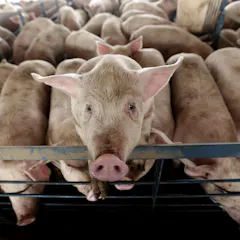
Large livestock farms, known as CAFOs, have polluted air and water in many communities. A recent court decision will force CAFOs to report their air emissions from manure and other sources.
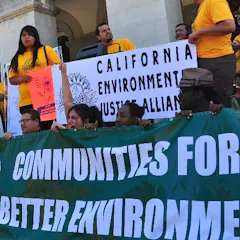
How could green groups attract more diverse volunteers? Maybe they could put more time and energy into outreach toward the people most affected by environmental injustices.
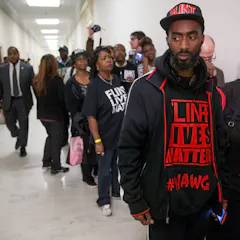
Addressing social and health inequalities from pollution is no longer a priority at the EPA. What did the Office of Environmental Justice do and what will happen if it’s shut down?
Top contributors
-

Lynton K. Caldwell Professor of Public Affairs, Indiana University
-
Associate Professor of Sociology; Co-Founder, Center for Environmental Justice at CSU, Colorado State University
-
Associate Professor of Environmental and Occupational Health Sciences, University of Washington
-
Professor of Geography and Environmental Science, Memorial University of Newfoundland
-
Adjunct Lecturer in Urban Studies, The New School
-
Professor of Environmental Science, Policy and Management and of Public Health, University of California, Berkeley
-
Assistant Professor of Economics, University of Virginia
-
Professor, Technoscience studies + History, University of Toronto
-
Assistant Professor of Environmental Health Sciences, Fielding School of Public Health, University of California, Los Angeles
-
Associate Professor of Environmental and Occupation Health, University of California, Irvine; University of Southern California
-
Associate Professor, Honorary Principal Fellow, Informal Urbanism Research Hub (InfUr-), University of Melbourne, The University of Melbourne
-
Assistant Professor of Applied Environmental Health , University of Maryland
-
York Research Chair in Environmental Law & Justice in the Green Economy, York University, Canada
-
Assistant Professor of Environmental Policy and Sustainability Management, The New School
-
Professor of Environment and Sustainability, University of Michigan