

Pressure from trade agreements can clean up sources of environmental harm, leading to cleaner rivers in the case of Mexico’s much-loved avocados.
Articles on Environment
Displaying 61 - 80 of 1884 articles
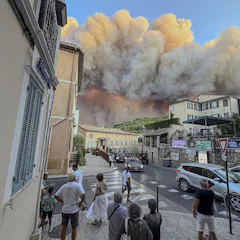
The fires facing Spanish and French firefighters are harder to put out – and much more intense.
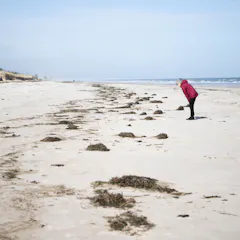
For people in South Australia, distressing images on social media and news feeds make it impossible to avoid the violence of the bloom.
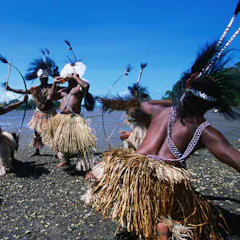
Rising seas threaten low-lying islands in the Torres Strait. Does the government have a duty of care?
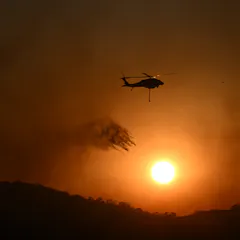
Australia may enter spring with a highly flammable landscape – and no room for complacency.
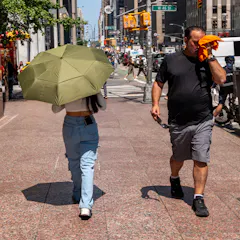
A National Academy of Sciences report examined the latest advances in extreme event attribution science. As four of the authors explain, the type of disaster makes a difference.

Wastewater from Pennsylvania’s oil and gas wells is salty and radioactive, and doesn’t suppress dust. Two researchers explain why it keeps ending up on rural roads.

The bid committee for the 2026 World Cup aimed for a carbon neutral event. Green groups predicted an environmental disaster. Who was right?

Many sustainability programs may be aiming at the wrong target because most entrepreneurs won’t become environmental activists.
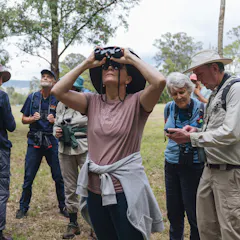
Scientists and authorities are increasingly calling for help from citizen scientists to track species and changes.
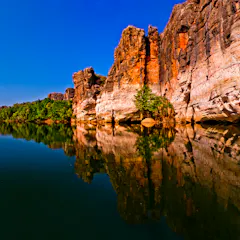
An animal, plant, landscape or waterway may be culturally vital even if not rare or threatened.
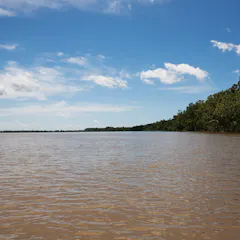
Brazil holds 12% of the world’s freshwater reserves and yet growing water insecurity reveals some of the country’s deepest sanitation inequalities, which are particularly relevant to Marajó, its largest coastal island.
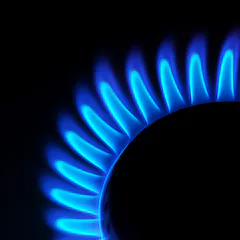
Gas companies have withdrawn support for the government’s gas reservation policy. But their main critique doesn’t stack up.
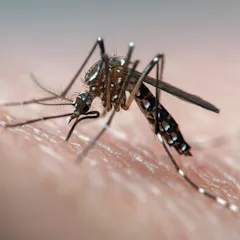
The results were striking: mosquito populations in towns where our mosquitoes were released declined.

Australia stopped keeping detailed data on its vehicle fleet after the domestic car industry ended. That’s becoming an issue.
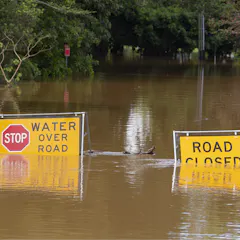
Nature-inspired responses like planting more trees and revegetating wetlands could reduce flooding in the northern rivers.
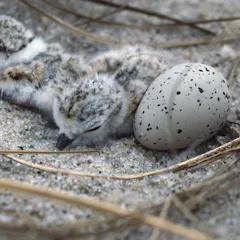
If Congress didn’t believe habitat destruction and degradation constitute ‘harm’ under the statute, why would it require permits and plans to offset habitat loss?

Could we be thinking the wrong way about surging energy demand from data centres in Australia?

In extreme heat, the tour can provide extra shade, hydration during racing and even alter or cancel a stage. But is this enough?

A tick disease researcher explains the risks and how she avoids bringing home ticks from both work and walking her dog in the woods. Lint rollers, tick checks and some types of chemicals play a role.
Top contributors
-

Professor in Wildlife Ecology and Conservation, School of Life & Environmental Sciences, Deakin University
-
Professor of Transport Technology and Sustainability, Swinburne University of Technology
-
ARC Future Fellow and Associate Professor in Climate Science, ARC Centre of Excellence for 21st Century Weather, The University of Melbourne
-
Senior Fellow in Energy and Climate Change, Grattan Institute
-
Research Associate, Institute for Climate Risk and Response, UNSW
-
Adjunct Professor of Environmental Geography, CQUniversity Australia
-
Distinguished Professor of Ecology, Fenner School of Environment and Society, Australian National University
-
Professor of Law, Deakin University
-
Professor in Conservation Science, School of the Environment, The University of Queensland
-
Professor, School of Economics, The University of Queensland
-
Professor of Conservation Biology, Charles Darwin University
-
University Fellow in Biodiversity, Charles Darwin University
-
Senior Research Associate, School of Agriculture, Food and Ecosystem Sciences, The University of Melbourne
-
Curator, Amphibian & Reptile Conservation Biology, Australian Museum, UNSW
-
Postdoctoral Research Fellow in Conservation and Wildlife Management, University of Sydney