

Just over a third of NHS patients are satisfied with their care. This can easily be improved.
Articles on Empathy
Displaying 41 - 60 of 194 articles
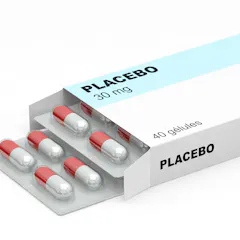
Placebos are the closest thing to magic that medicine has discovered.

Being more mindful to our own needs as well as those of the people in our lives can help us be more compassionate and attentive.
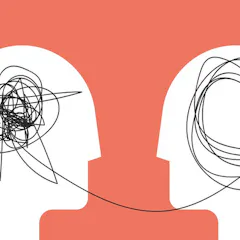
Stereotypes continue to provide excuses to executives for not exercising what likely constitutes the most critical skill for leadership.

A lack of empathy can be fatal, for both doctors and patients.

Elite groups often become trapped in echo chambers.

Health care providers often dismiss endometriosis pain as ‘all in your head’ − which can delay a correct diagnosis and treatment for years.

It is crucial to cultivate teachers who are socially aware and critical, especially in today’s unequal society

Many Canadians likely have a great deal of empathy for what Justin Trudeau and Sophie Grégoire Trudeau are going through right now — which is why opposition politicians should too.

The use of artificial intelligence in architecture practice and education is limited by its datasets and lack of empathy.

It’s easy to feel overwhelmed by horror at terrorist attacks. But the first impulse of people during emergencies is often to help others.

Fear has important consequences for how people vote, what they spend their money on, who they consider to be part of their communities, and who they treat as outsiders.
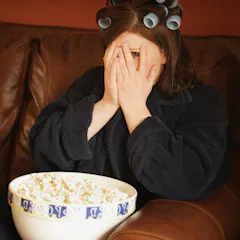
What does secondhand embarrassment say about your own anxieties and biases?

Faces hold crucial clues on what others are thinking and feeling. So, does missing that key social information impact children’s unkind behaviour?

A new study finds that medical students lose their empathy, to everyone’s detriment.

Empathy helps us understand what others are thinking and feeling.

In the wake of the COVID-19 pandemic and the George Floyd murder, in 2020, Black social workers are finding they are alone in coping with their trauma.

While educators in Netflix’s ‘Matilda the Musical’ aren’t meant to be blueprints for contemporary teaching, they suggest the powerful ways attentive adults can make a difference in children’s lives.

A clinical psychologist explains what has the potential to trigger our usually well-meaning laughter.

The explosive viral spread of the grainy but dramatic footage shows the limits of mainstream media ethics.
Top contributors
-

Professor and Director of the Stoneygate Centre for Excellence in Empathic Healthcare, University of Leicester
-
Professor, Canada Research Chair in Determinants of Child Development, Owerko Centre at the Alberta Children’s Hospital Research Institute, University of Calgary
-
Lecturer in Psychology, King's College London
-
Senior Lecturer in Psychology, Leeds Beckett University
-
Associate Professor of Psychology, University of Bath
-
Associate lecturer, University of Sussex
-
Reader in Leadership, School of Business and Creative Industries, University of the West of Scotland
-
Assistant Professor of Psychology, Pomona College
-
Honarary Research Fellow in Psychology, Australian Catholic University
-
Associate Professor of Psychology, University at Albany, State University of New York
-
Atkinson Chair of Early Child Development and Education and Director of the Atkinson Centre, University of Toronto
-
Associate Professor at the Institute for Social Neuroscience in Melbourne, Australia, The University of Melbourne
-
Professor of Developmental Psychopathology, University of Cambridge
-
Associate Professor of Psychology and Senior Research Associate in the Rock Ethics Institute, Penn State
-
Adjuct Faculty University of Guelph, Former Chair, Early Childhood Studies and Founder of The Love Model Inc.