
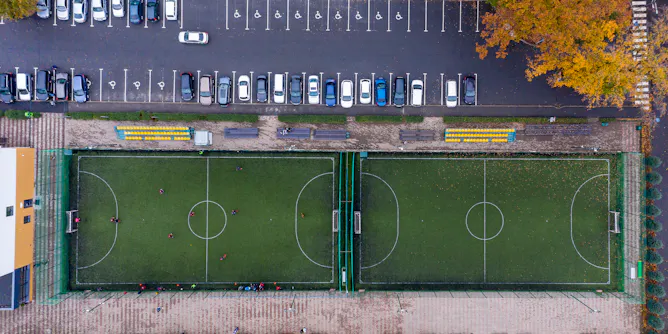
A person who exercises, attends sporting events as a spectator and takes their kids to the oval or swimming pool will create 935 kg of CO₂ per year if using their car.
Articles on Emissions
Displaying 181 - 200 of 404 articles
Indonesia’s Peatland Restoration Agency is likely to have its tenure extended by four years. What has been achieved and what should the agency focus on for the next term?
Universities and the professions are changing in response to climate change. When will the advances in knowledge and practice we are already seeing prompt governments to act with the required urgency?
It reveals in alarming detail how gas emissions are cancelling out the gains won by Australia’s renewables boom, and uncovers misleading claims underpinning our gas-led economic recovery.
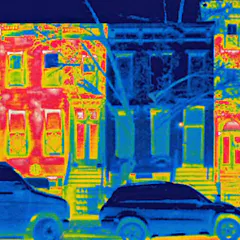
Changes to the way houses and other buildings are constructed could lower energy use and greenhouse gas emissions.

A building designed to be easily taken apart so the components can be reused is a model for much less wasteful construction. It reduces resource use and environmental impacts, and can be cheaper too.
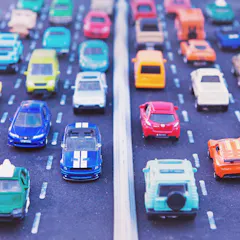
Life cycle assessments of electric vehicles show that they cannot fully eliminate the greenhouse gas emissions of personal travel. We also need bikes, buses and trains to solve our climate problems.
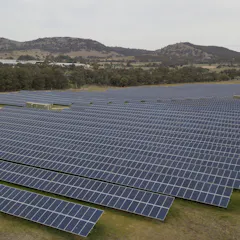
Universities are vital hubs of research and teaching on climate change and, as big organisations, produce significant emissions themselves. They should therefore lead action to limit climate change.
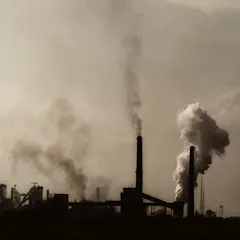
The coronavirus pandemic caused the UN’s annual climate conference to be postponed by a year, but it was also responsible for a drop in carbon emissions. Is it enough and will it last?
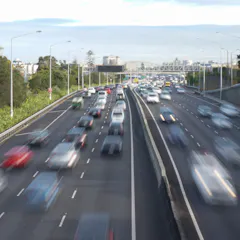
Motorways were once seen as a way of reducing congestion in our towns and cities. But the more we build, the more they fill with drivers.
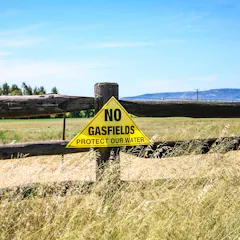
Investment in gas will not herald Australia’s economic recovery. It’s likely to hinder it.

A long-term housing stimulus package that focuses on retrofitting to cut energy demand would also help households repay the debts being accumulated during this crisis.
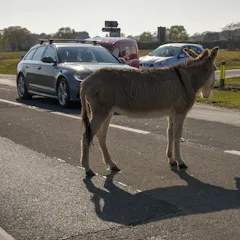
Transport Secretary Grant Shapps has called for fewer cars and better public transport.
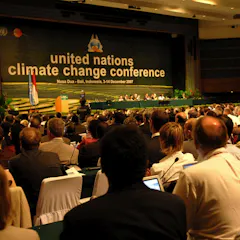
Travelling to conferences and meetings has become a way of life for many of us – and has driven up emissions. Now COVID-19, not climate change, is forcing us to explore and develop alternatives.
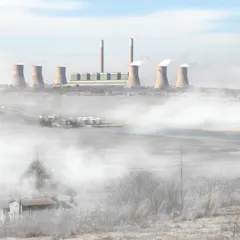
Climate pledges must be more ambitious and focus on early and aggressive action to deal with global emissions.
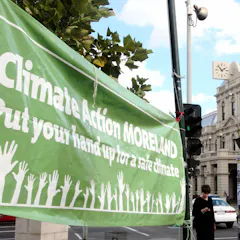
Carbon accounting isn’t always simple, so it’s important to make it easier to measure and reduce emissions at the local level. And that’s ultimately the starting point for global climate action.

According to a new study, about four in 10 air pollution deaths in the US are due to emissions crossing state lines.
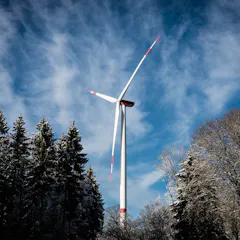
Nuclear power isn’t needed to meet Ontario’s electricity needs. And the absence of nuclear power won’t have any impact on emissions in Ontario’s energy sector.
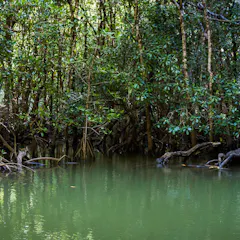
Blue carbon stored in coastal ecosystems is important, but it’s a poor fig leaf for Australia’s abysmal record on emissions.
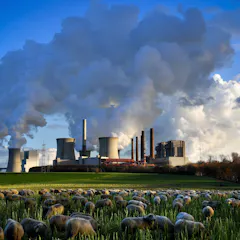
Carbon emissions will hit a record high for the second year in a row, but there is a small silver lining: the rate of emissions growth has slowed dramatically.
Top contributors
-

Professorial Fellow, University of Canberra
-
Chief Research Scientist, CSIRO Environment; Executive Director, Global Carbon Project, CSIRO
-
Senior Research Fellow and Associate Professor, Melbourne Climate Futures initiative, The University of Melbourne
-
Professor, Crawford School of Public Policy and Director, Centre for Climate and Energy Policy, Australian National University
-
Senior Lecturer, Griffith Business School, Griffith University
-
Adjunct professor, UNSW
-
Climateworks Centre CEO, Monash University
-
Professor of Transport Technology and Sustainability, Swinburne University of Technology
-
Senior Industry Fellow, Environment and Planning, RMIT University
-
Professor of Engineering, Australian National University
-
Professor of Law, Deakin University
-
Associate Professor in Property, Construction and Project Management, RMIT University
-
Honorary Fellow, The University of Melbourne
-
Senior Research Associate, Renewable Energy & Energy Systems Analyst, UNSW
-
Professor, School of Economics, The University of Queensland