
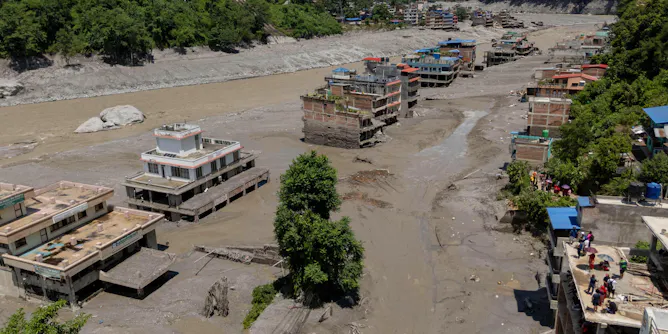
The problem wasn’t the volume of emergency information – it was who it came from, and how it was delivered.
Articles on Emergency alerts
Displaying all articles

Deadly fires in Almería, Spain, have shown that firefighting alone is not enough – people need to be properly prepared.
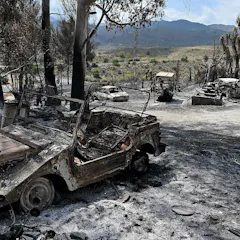
Carefully designed alert systems, evacuation, and a prepared population can save lives.

For many isiXhosa-speaking residents, disaster warnings arrive too late, or in language that is difficult to understand.

In Canada, emergency communication is issued only in English and French, even in regions where Indigenous languages are widely spoken and recognized — an exclusion that compromises safety.
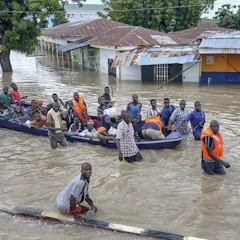
Some countries are making progress but others still face the challenge of weak coordination.
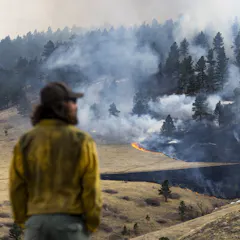
Increasing awareness can help close the gap on the number of people signed up for emergency alerts, but that won’t happen without increased accessibility.
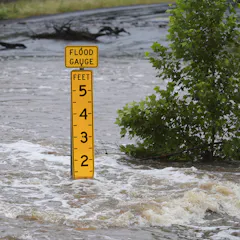
As flash floods ravage areas like the Texas Hill Country, research shows that technology alone cannot save lives during flooding emergencies.

Whether real or just a test, emergency alerts activate the same neural circuits involved in real danger.
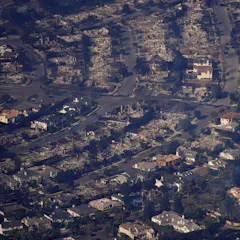
During an emergency event, clear communications are essential for ensuring safety. False alerts, like the one sent out on Jan. 9 in Los Angeles, can contribute to confusion and anxiety.
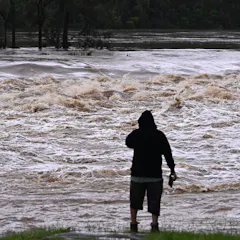
Whether it’s pamphlets aimed at prevention or text alerts, mass communication is often relied on during disasters. This flawed approach can be improved by engaging meaningfully with communities.

If an alert from the federal government popped up on your phone, did you notice it? Did you know who it was from? Did you trust it?

Meta’s blocking of Canadian news reveals how reliant Canada’s media industry is on the U.S. The government must create a better funding model to provide support for Canadian media.

Warnings can now be sent to everyone in a place likely to be flooded – not just those who opt-in.

Emergency alerts system: a lifesaving service or a threat to privacy?

When researchers look at CCTV footage of how people really react during earthquakes – as opposed to what they report after the fact – it looks like alerts aren’t yet inspiring protective action.

When emergency alerts are hard to distinguish from text messages and when they announce the availability of vaccines rather than an impending tornado, are they still emergency alerts?
Top contributors
-

Associate Professor of Media Studies, University of Virginia
-
Professor of Communication, University of Colorado Denver
-
Knowledge Exchange Fellow In Flood and Society, University of Hull
-
Profesor de Geografía, Universidad de Las Palmas de Gran Canaria
-
Post-doctoral Research Fellow of Geography, The University of Melbourne
-
Catedrática en Economia Ambiental, University of York
-
Catedrática de Economía Aplicada, Universidade de Santiago de Compostela
-
Assistant Professor in AI Law, Durham University
-
Full Professor, Psychology and Clark Honors College, University of Oregon
-
Associate Professor, Communication Studies, McGill University
-
Graduate Student, Disaster and Emergency Management, York University, Canada
-
Associate Professor of Disaster and Emergency Management, York University, Canada
-
Clinical Professor of Neurology, University of California, Los Angeles
-
Associate Professor and Director or Anxiety Disorders Research, University of California, Los Angeles
-
Professor & Co-Director, Technology & Information Policy Institute, The University of Texas at Austin