

Despite various exceptions, the UK’s proposed ivory ban will be among the toughest in the world.
Articles on Elephants
Displaying 81 - 100 of 127 articles
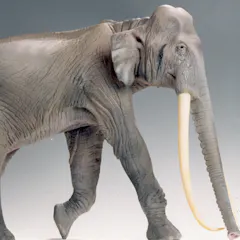
DNA studies reveal that African elephants belong to a very successful and widespread family.

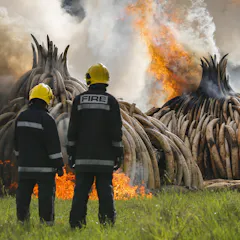
The destruction of a massive haul of illegal ivory was supposed to send a message to poachers and those who trade in the tusks. Did they notice, or can the ivory be used to help elephant conservation?
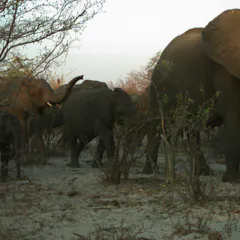
If we can keep elephants away from farms then farmers might be more inclined to help conservation efforts.
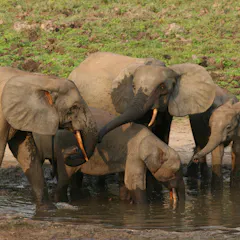
The Trump administration is considering requests from hunters to import wildlife trophies (body parts) on a case-by-case basis. Does this approach promote conservation or threaten endangered species?

Elephants have the highest count of olfactory receptor genes of any species tested to date. This suggests that they may be the best smellers in the animal kingdom.
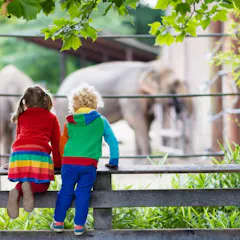
Zoos have come along way from their menagerie past. But society is increasingly demanding they become agents of conservation rather than entertainment.

Elephants feeding on crops poses a challenge to their coexistence with humans. Farmers must introduce strategies to reduce losses and avoid lethal action against the endangered species.
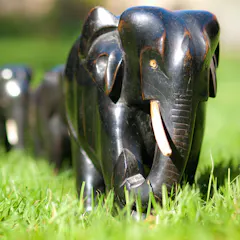
Ivory from illegally-poached elephants can easily be mistaken for antique.
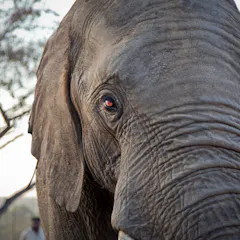
Elephants naturally avoid cancer after 55 million years of evolution. Scientists are studying if they can extract lessons that could help people.
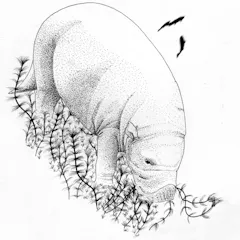
Sea cows (Sirenia) descended from four legged mammals that roamed Africa when this continent was isolated. They belong to the Afrotheria, the ‘African beasts’.

By understanding sleep across animals we can gain insights into improving the quality of human sleep. It can also help to bolster conservation management strategies for the animals in question.
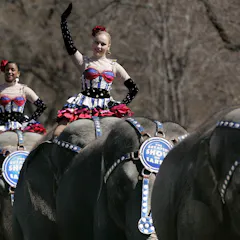
While hugely popular for a time, the advent of the three ring circus invited animal cruelty complaints and led to the demise of more skilled circus artistry.

China has decided to end all domestic trade in ivory, an act that could help elephant numbers all over Africa.
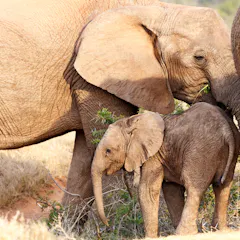
Zimbabwe are looking to resolve a debt to China by selling animals to them. But one of the concerns is that the elephants sold will eventually be farmed and their ivory harvested.

Foot problems are more rife in elephants living in captivity. The hard ground they walk on often gives them foot trouble. Generally, by the time the problem is picked up, it’s too late.
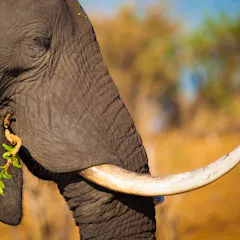
Ivory was a major talking point at the CITES CoP17 conference.Many feel the ban on trade doesn’t work while others believe the ban is the only way to save the iconic species.
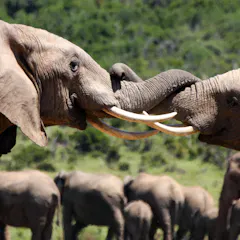
The ivory trade is a very contentious issue and will be debated at CITES. It will revolve around maintaining or lifting the ban on trade. But the human element is likely to be ignored.
The focus of CITES is not solely on the protection of species. It also promotes controlled trade that is not detrimental to the sustainability of wild species.
There are many similarities between wildlife poaching and the cultivation of drug plants like the coca bush or the opium poppy.
Top contributors
-

Research Associate, Department of International Relations, University of the Witwatersrand; Chief Research Officer, Good Governance Africa; Managing Director, Harvey Economics Pty Ltd.
-
Professor and Chair, Southwestern Environmental Science and Policy, Northern Arizona University
-
Visiting Professor, University of Kent
-
Research Associate, African Centre for Coastal Palaeoscience, Nelson Mandela University
-
Senior Lecturer, Mathematics, The University of Queensland
-
Distinguished Research Professor and Australian Laureate, James Cook University
-
Associate professor in Vertebrate Palaeontology, University of the Witwatersrand
-
Adjunct, Mammal Research Institute Polish Academy of Sciences, University of Warsaw
-
Professor in Tropical Conservation Ecology, University of Nottingham
-
Professor of Comparative and Evolutionary Neurobiology, University of the Witwatersrand
-
Director, Durrell Institute of Conservation and Ecology, University of Kent
-
Professor of Conservation and Applied Resource Economics, University of Kent
-
Professor of Neuroscience, Colorado College
-
Senior Lecturer in Law, University of Portsmouth
-
Environmental Social Scientist, Newcastle University