
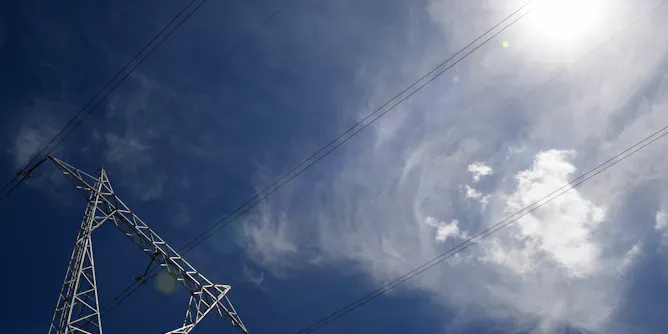
‘Virtual power plants’ offer extra power to the grid by tweaking the operation of batteries and appliances right across the network. But even this might be too blunt a tool for our future energy needs.
Articles on Electrical grid
Displaying 101 - 120 of 144 articles

Two decades ago, the then SA premier, John Olsen, defied a campaign promise and announced plans to privatise the state’s electricity industry. It’s been a high-voltage issue ever since.
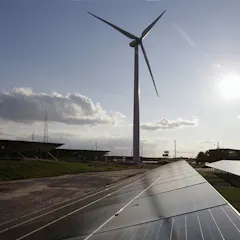
Energy storage, such as big batteries, on the power grid is generally seen as ‘green’ technology but the reality is more complicated, an analysis finds.
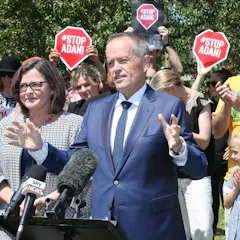
Bill Shorten has taken a further step toward opposing the proposed Queensland Adani coal mine.
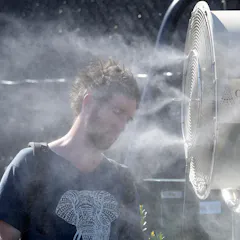
The urban heat island and summertime blackouts
The Conversation25.6 MB (download)
Today, we're asking why some of the most disadvantaged parts of our cities cop the worst of a heatwave and how you -- yes, you! -- can do your bit to reduce the risk of a summer time blackout.
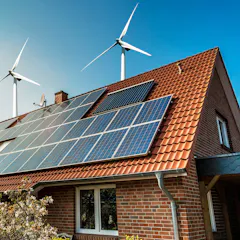
Blockchain technology could be applied to our energy grids to make them smarter, and turn energy consumers into producers.
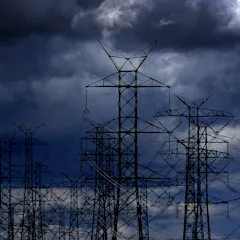
The Long Read: Most Australians’ power bills have been rising for a decade. There are many reasons why, but the common thread is a lack of government willingness to get to grips with crucial policy problems.
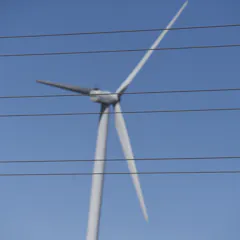
New modelling suggests that Australia could use renewable energy to hit its 2030 emissions reduction targets, without it costing any more overall than maintaining the status quo.
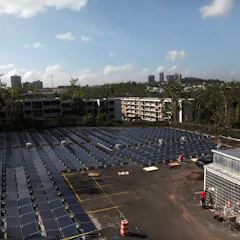
Yes, Puerto Rico and any other storm-vulnerable location could benefit from on-site solar and battery backup, but it’s unrealistic to say these microgrids are enough to power the island.
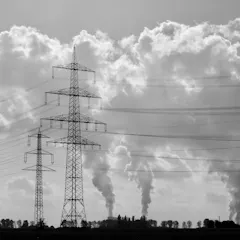
Two moves by the Trump administration signal a dramatic shift in energy policy to favor coal and nuclear, but markets forces and legal challenges mean changes could take years.
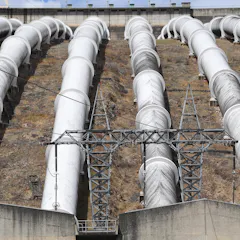
Electricity storage is vital to the stability of a renewable energy grid. The world’s favourite form of storage is pumped hydro – and researchers have located thousands of candidate sites.
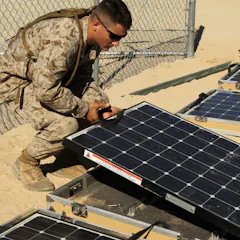
US military bases usually get their electricity from the civilian grid, which is vulnerable to attack and to disaster. Solar-powered microgrids could protect national security, and would save money.
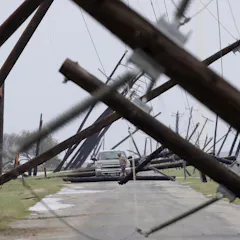
Would putting power lines underground avoid hurricanes knocking out electricity service for millions of people? The answer is not as straightforward as it seems.
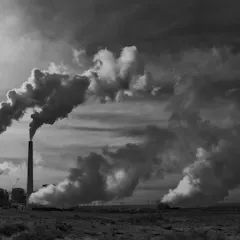
The Department of Energy’s review of the electricity grid finds natural gas, rather than renewables, has hurt coal and nuclear power. But that’s only half the story of the changes underway.
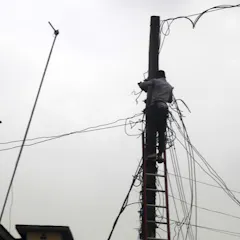
The centralised regulation of electric power in Nigeria is stalling progress in the sector. To achieve stable power supply, the country must obey its constitution and decentralise regulation.
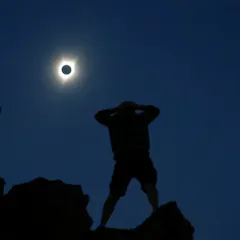
The solar eclipse offered electricity network operators a “live drill” in how to cope with fluctuating output from renewable energy. They passed with flying colours.

The implications, economic and otherwise, of this massive policy change are only beginning to sink in.
Political and community leaders must act now to preserve the American middle class and adapt the US economy for the 21st century.
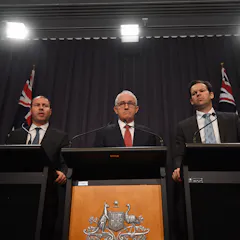
Proposals for the government to commission more “baseload” electricity generation will raise private sector concerns over Canberra’s growing willingness to intervene in a previously free market.
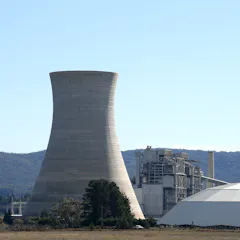
A Clean Energy Target and a swathe of measures to improve the security and reliability of the electricity grid are among the recommendations of the keenly awaited Finkel Review.
Top contributors
-

Professor of Engineering, Australian National University
-
Senior Research Associate, Renewable Energy & Energy Systems Analyst, UNSW
-
Research Fellow, ANU College of Engineering and Computer Science, Australian National University
-
Senior Fellow in Energy and Climate Change, Grattan Institute
-
Assoc Prof. Renewable Energy, Monash University
-
Energy Fellow, Grattan Institute
-
Director of Energy Studies, University of Florida
-
Professor of Electrical and Computer Engineering, Iowa State University
-
Professor and Director, Victoria Energy Policy Centre, Victoria University
-
Research Scientist, The University of Texas at Austin
-
Energy Fellow, Grattan Institute
-
Research Principal, Institute for Sustainable Futures, University of Technology Sydney
-
Senior Research Fellow in Renewable Energy, Australian National University
-
Senior Industry Fellow, Environment and Planning, RMIT University
-
Senior Research Consultant, Institute for Sustainable Futures, University of Technology Sydney