
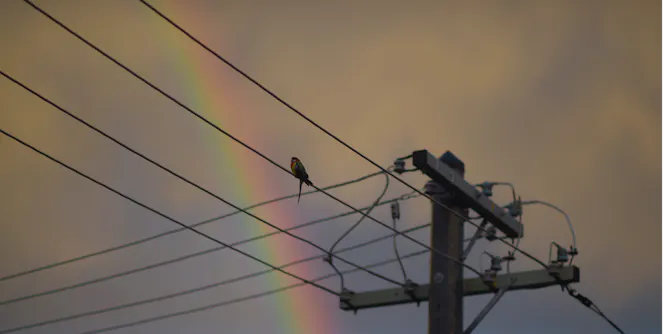
The federal government is primarily to blame for the mess that is Australia’s energy policy. It’s time for the states to step up, to reduce both prices and emissions.
Articles on Electrical grid
Displaying 81 - 100 of 144 articles
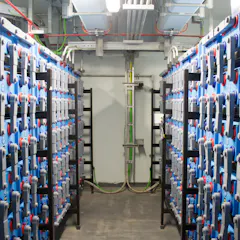
France, Germany and other European countries are increasing their use of renewable energy sources as well as storage solutions to help overcome their intermittent nature.
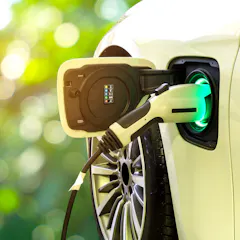
The announcement of a new fast-charging network to link the major east coast cities will do much to encourage motorists to buy electric cars. But the power utilities need to get on board too.
There are some good explanations for the mismatch between regional support for climate action and the areas where renewable energy is making the biggest inroads.
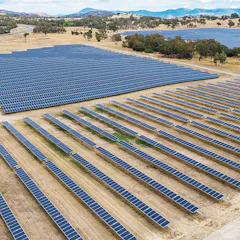
Australia could be getting half of its electricity from renewable energy by 2025, even without government subsidies for new wind and solar projects, according to a new analysis of energy industry trends.
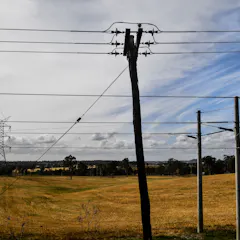
Sections of the media have talked up the prospects of future power outages, even though the electricity market operator predicts that Australia’s stringent reliability standards will still be met.

Australians are angry about electricity prices and both the federal government and opposition are proposing to cap them. Will this approach work, and what are the risks?
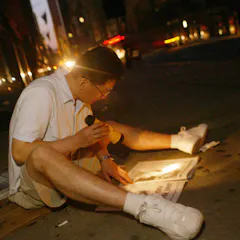
As South American countries recover from a massive blackout, the US isn’t immune: The Northeast Blackout of 2003 cut power to 50 million people, and many threats to the electricity grid remain.
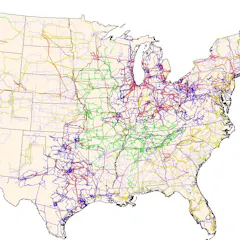
Power utilities’ cybersecurity practices may be effective, but need to evolve over time. And all companies operating elements of the grid – even the small ones – should step up.
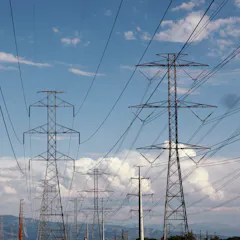
Experts explain the task of securing the electrical grid against cyberattacks, and discuss potential solutions and the risk of failure.
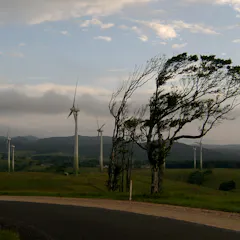
There are calls from the backbench and elsewhere for the federal government to safeguard the future of coal. But do those calls make economic sense? A look at Queensland’s energy landscape suggests not.
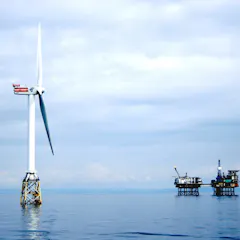
Generating less electricity with fossil fuels could help save lives.
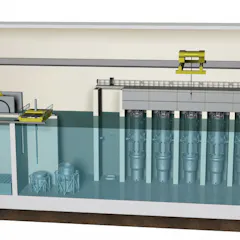
Advanced small modular reactors, known as SMRs, will probably have many advantages over older technology. But it’s not yet known how they will stack up against other sources of electricity.
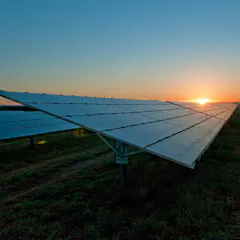
Large-scale solar and wind tend to push energy prices down, which sounds great as a consumer. But that makes keeping the grid in constant balance harder.
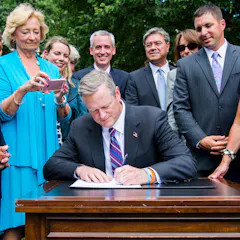
Several states, including Massachusetts and Rhode Island, have developed ambitious renewable energy targets that hinge in large part on getting their power from turbines stationed in the water.
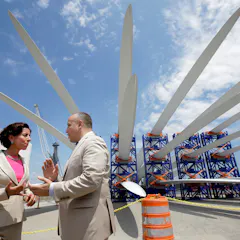
Experts expect the wind business to remain brisk in the US and abroad, on land and offshore.
The federal government is confident that states will sign up to the National Energy Guarantee, with a final decision now timetabled for August.

State energy ministers meet this week to discuss the National Energy Guarantee. While the policy has been criticised as too modest, it would put us light years ahead of the previous climate policy paralysis.
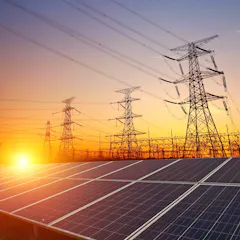
It’s easier to see how customers benefit from increased grid security than it is to justify making them pay for it.
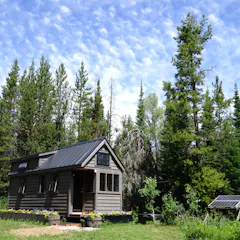
Lowering your carbon footprint by living off-grid is a sustainability dream. But how possible is it using current technology?
Top contributors
-

Professor of Engineering, Australian National University
-
Senior Research Associate, Renewable Energy & Energy Systems Analyst, UNSW
-
Research Fellow, ANU College of Engineering and Computer Science, Australian National University
-
Senior Fellow in Energy and Climate Change, Grattan Institute
-
Assoc Prof. Renewable Energy, Monash University
-
Energy Fellow, Grattan Institute
-
Director of Energy Studies, University of Florida
-
Professor of Electrical and Computer Engineering, Iowa State University
-
Professor and Director, Victoria Energy Policy Centre, Victoria University
-
Research Scientist, The University of Texas at Austin
-
Energy Fellow, Grattan Institute
-
Research Principal, Institute for Sustainable Futures, University of Technology Sydney
-
Senior Research Fellow in Renewable Energy, Australian National University
-
Senior Industry Fellow, Environment and Planning, RMIT University
-
Senior Research Consultant, Institute for Sustainable Futures, University of Technology Sydney