
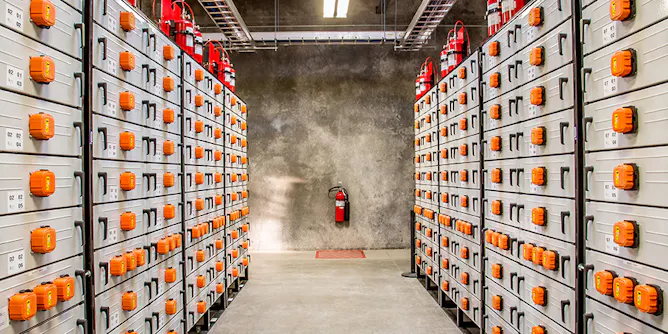
Energy storage could prove an inexpensive way for power companies to handle heat waves and other times when consumers use more electricity than usual.
Articles on Electric utilities
Displaying 41 - 60 of 64 articles
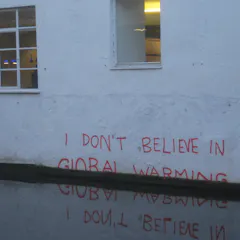
The results of a study that measured public responses to a policy aimed at reducing carbon emissions contradict a common environmental concern.
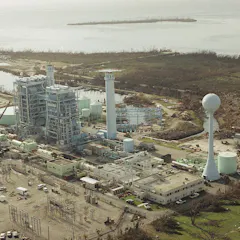
Lessons learned from Hurricane Andrew in 1992 and the Fukushima disaster in 2011 have changed how utilities brace for big storms.
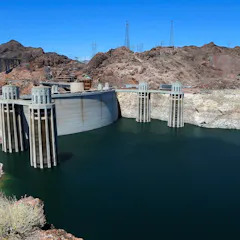
Taking millions of gallons of water permanently out of the Colorado River amid a prolonged drought would surely start an interstate fight.
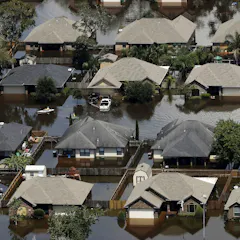
Many people board up their houses and stay in place during disasters – but often they aren’t prepared to go without water, power or transportation for days or weeks afterward.

As South American countries recover from a massive blackout, the US isn’t immune: The Northeast Blackout of 2003 cut power to 50 million people, and many threats to the electricity grid remain.
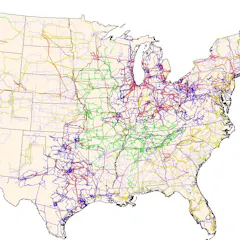
Power utilities’ cybersecurity practices may be effective, but need to evolve over time. And all companies operating elements of the grid – even the small ones – should step up.
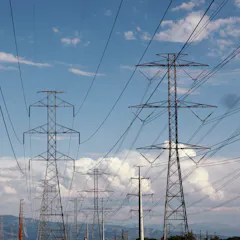
Experts explain the task of securing the electrical grid against cyberattacks, and discuss potential solutions and the risk of failure.

A recent study suggests that smart meters can help households reduce their electricity use by as much as 5%. Are France’s anti-Linky households listening?
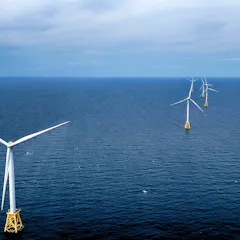
A recent survey of electric utility leaders finds that Trump administration efforts to promote coal energy and roll back air pollution regulations have had little impact on their long-range plans.
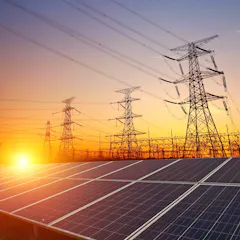
It’s easier to see how customers benefit from increased grid security than it is to justify making them pay for it.

Nuclear power provides 60 percent of US carbon-free electricity generation, but existing plants are aging and only one is under construction. Should government intervene to keep nuclear energy in the mix?
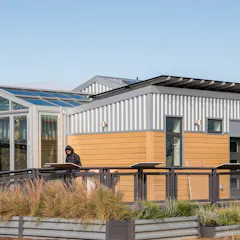
Energy Secretary Rick Perry says the US needs to subsidize nuclear and coal power plants to keep the grid stable. But this policy would raise energy costs and could drive consumers off-grid instead.
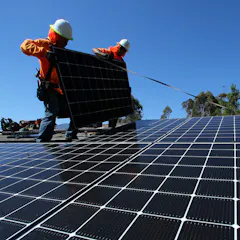
A trade spat could jack up the cost of going solar, killing jobs and obstructing efforts to do something about climate change.
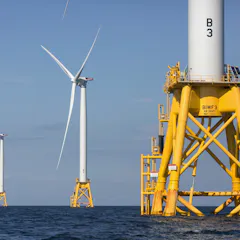
When utilities plan investments, they think decades ahead. A recent study shows why power companies should be spending more on renewables despite the Trump administration’s tilt toward fossil fuels.
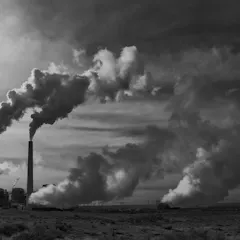
Coal-fired power plants produce air pollution that kills thousands of Americans every year. President Trump’s embrace of coal energy will delay a shift to cleaner fuels that is saving money and lives.
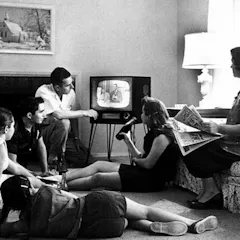
People who watch a lot of TV consume a disproportionate amount of electricity so we should tailor energy efficiency incentive programs to these and other big energy users.
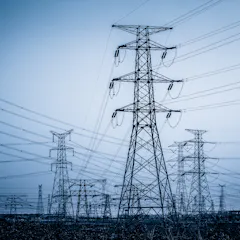
Generators, retailers and consumers should be central to regulating utilities because network operators are gaming the system.
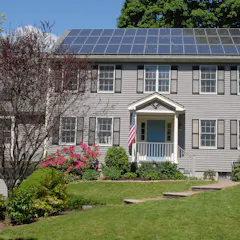
Utilities are pushing back against the spread of rooftop solar power and charging bigger fees to solar homes. Who is right in this solar-versus-utilities fight?
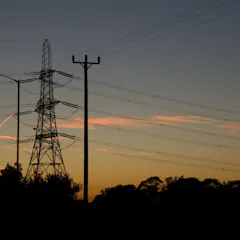
An obscure Supreme Court ruling paves the way for people and businesses to earn money with distributed energy technologies.
Top contributors
-

Director of Energy Studies, University of Florida
-
Professor of Energy and Environmental Economics and International Affairs, Penn State
-
Lynton K. Caldwell Professor of Public Affairs, Indiana University
-
Presidential Distinguished Professor of Energy Policy and City Planning, University of Pennsylvania
-
Associate Professor of Civil, Environmental and Architectural Engineering, University of Colorado Boulder
-
Associate Professor of Economic Geography, University of South Carolina
-
Professor of Electrical and Computer Engineering, Iowa State University
-
Professor of Sustainability Sciences and Director, School of Marine and Environmental Affairs, University of Washington
-
Research Scientist, Joint Program on the Science and Policy of Global Change, Massachusetts Institute of Technology (MIT)
-
Director, Nicholas Institute for Environmental Policy Solutions and Associate Professor of Practice, Duke University
-
Associate Professor of Physics, Penn State
-
Professor of Electrical and Computer Engineering, University of Florida
-
Associate Professor of Civil Engineering, Texas A&M University
-
Professor of Marketing, Co-coordinator of Chaire Européenne de la Transition du Territoire, GEM
-
Associate Professor, Writing Rhetoric and Communication, UMass Dartmouth