
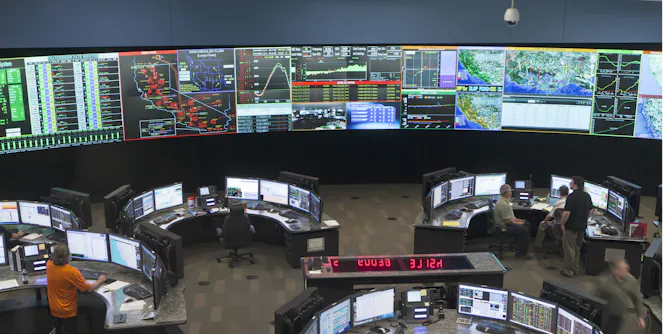
Sometimes wind and solar power produce more electricity than the local grid can handle. Better energy storage and transmission could move extra energy to where it’s needed instead of shutting it off.
Articles on Electric utilities
Displaying 21 - 40 of 64 articles
Many people want to know about practical suggestions to help slow climate change. Effective action starts at home.
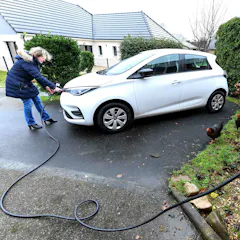
Bidirectional charging is the next big stage for electric vehicles. But storing power in your car and sending it back to your house involves more than flipping a switch.

How and where people spend their money and use energy can influence corporate behavior.
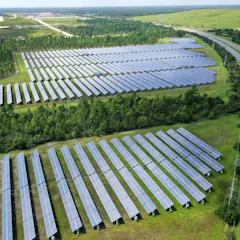
President Biden’s proposed solar power expansion would cost $350 billion in federal support over the coming decade. An energy expert explains where that money would come from and who it would help.
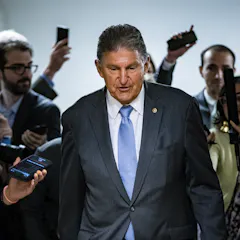
Natural gas was once widely seen as a bridge fuel to renewable energy. But the industry’s methane leaks make it a larger global warming threat than people realized.
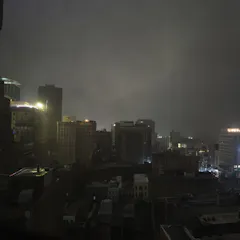
Hurricane Ida left the entire city of New Orleans in the dark and renewed discussion of burying power lines. But there’s no way to completely protect the grid, above ground or below.

The practice of using electricity revenue surpluses to fund other municipal services is running out of road.
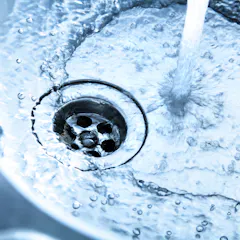
New research finds that tap water avoidance is on the rise in the US, especially among minorities. An expert on water and health calls for better public education about water quality and testing.
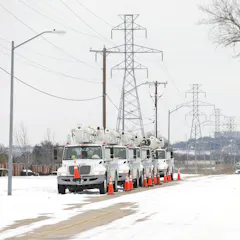
There will be more weather-driven disasters like February’s deep freeze in Texas, and energy planners aren’t prepared.
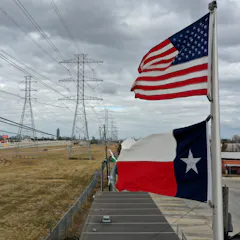
Some Texans are receiving eye-popping electric bills after power providers passed on volatile costs to some of their customers – legally.
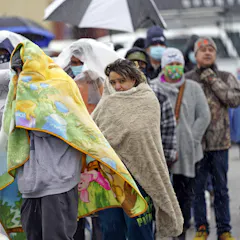
The Texas electric power market is designed to give energy companies incentive to sell electricity at the lowest possible cost. That focus helps explain why it collapsed during a historic cold wave.
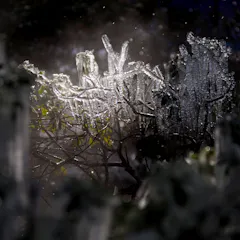
Heat waves, droughts and deep freezes can all strain the electric grid, leading utilities to impose rolling blackouts. Climate change is likely to make these events more common.
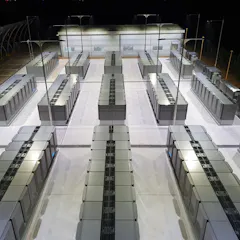
A study points to one way to speed up adoption of innovations in clean energy technology – more flexibility among state regulators.
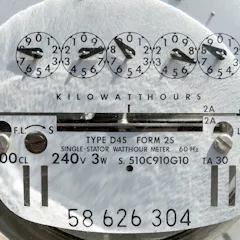
Many Americans have been unable to pay their electric bills during the COVID-19 pandemic, racking up billions of dollars in delinquent bills. Where will the money come from?
Many Americans had trouble paying their energy bills before COVID-19, and the current recession is making the problem worse.

Energy companies are marketing a new fuel: ‘renewable’ natural gas. But it’s not the same from a climate change perspective as wind or solar energy.
Nuclear threats are serious – but officials, the media and the public keep a close eye on them. There’s less attention to the dangers of cyberattacks, which could cripple key utilities.

Electric utilities have a right to make money on their government-granted monopolies, but customers also have a right to know what cyber-protections they would get if they paid more.
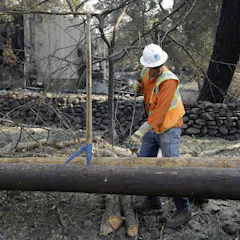
The electric utility is seeing rapid changes and threats that affect consumers, from more wind and solar to wildfires. How they react depends in large part on regulators.
Top contributors
-

Director of Energy Studies, University of Florida
-
Professor of Energy and Environmental Economics and International Affairs, Penn State
-
Lynton K. Caldwell Professor of Public Affairs, Indiana University
-
Presidential Distinguished Professor of Energy Policy and City Planning, University of Pennsylvania
-
Associate Professor of Civil, Environmental and Architectural Engineering, University of Colorado Boulder
-
Associate Professor of Economic Geography, University of South Carolina
-
Professor of Electrical and Computer Engineering, Iowa State University
-
Professor of Sustainability Sciences and Director, School of Marine and Environmental Affairs, University of Washington
-
Research Scientist, Joint Program on the Science and Policy of Global Change, Massachusetts Institute of Technology (MIT)
-
Director, Nicholas Institute for Environmental Policy Solutions and Associate Professor of Practice, Duke University
-
Associate Professor of Physics, Penn State
-
Professor of Electrical and Computer Engineering, University of Florida
-
Associate Professor of Civil Engineering, Texas A&M University
-
Professor of Marketing, Co-coordinator of Chaire Européenne de la Transition du Territoire, GEM
-
Associate Professor, Writing Rhetoric and Communication, UMass Dartmouth