
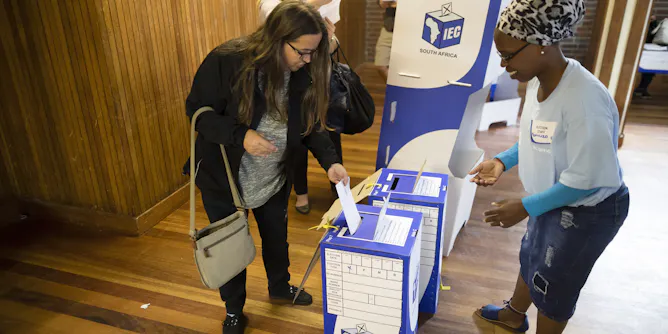
The bigger parties which contest elections at all three levels would benefit the most – but voters might split their votes.
Articles on Elections in Africa
Displaying 61 - 80 of 174 articles
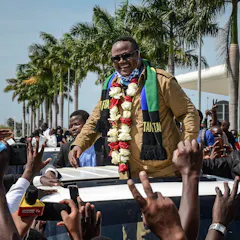
A united opposition could create enough momentum to unseat incumbent John Magufuli from power.
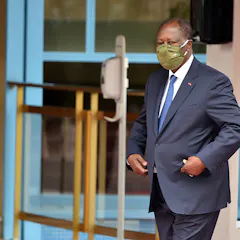
African countries need to make a concerted effort to establish a continental two-term policy.
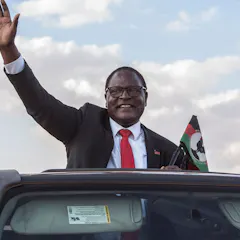
The success of Malawi’s democratic dispensation will be measured on the extent to which it delivers public goods – opportunities, development, accountability – for the people.
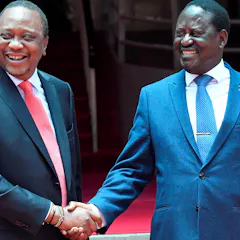
The Building Bridges Initiative is best understood by recognising that Kenyan politics is fundamentally shaped by competition between political elites and their ethnic groups.
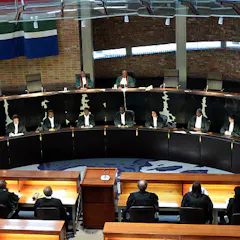
South Africa’s Constitutional Court verdict is possibly a defining moment for South Africa’s electoral system.
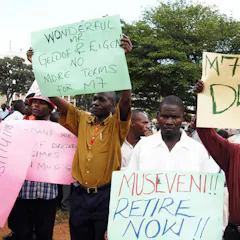
Trouble in Africa’s cities is due to the fact that electoral competition drives leaders to be biased towards rural areas.
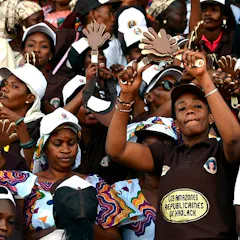
Africa is now formally free of colonial rule. Yet, the aim of remembering and furthering the fight for self determination remains relevant as ever.
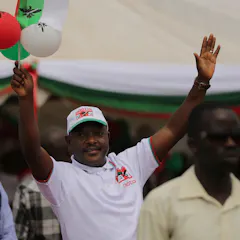
Will President Pierre Nkurunziza peacefully relinquish office after the May poll?
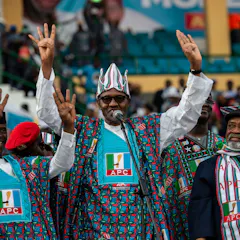
One year after the 2019 general elections in Nigeria, courts and not the electorate, are busy deciding actual winners of the polls.
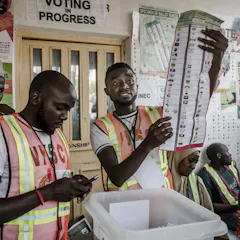
Nigeria’s Independent National Electoral Commission recently deregistered some political parties, leading to debates over whether this was a step in the right direction.
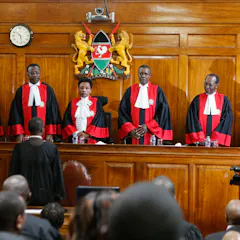
By pushing their usually valid complaints onto the streets and the courts, opposition leaders deny governments the popular goodwill and international credibility they need to govern effectively.
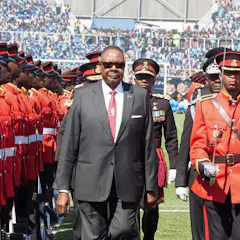
Will the same electoral commission, so heavily criticised in the court’s ruling, improve its capacity and arrange more credible elections?
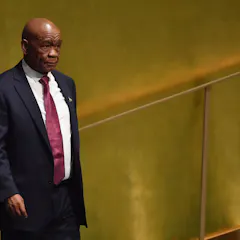
Since the demand for resources far outmatches the patronage available, Lesotho’s political arena has become brutally competitive.
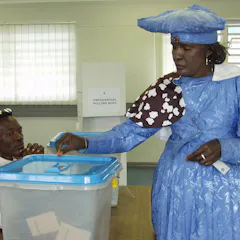
For the first time since independence, Namibia’s ruling party has suffered electoral setbacks in the midst of economic and political crisis.
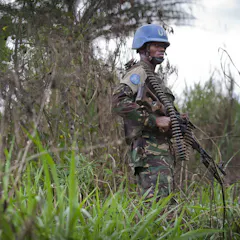
The independent strategic review, now before the Security Council, recognises many of the challenges ahead. But it appears overly sanguine about what can be achieved within a three-year period.
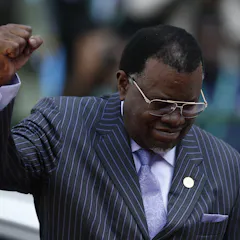
Namibia’s political stability so far has been vested in the dominance of Swapo. Those opposing its control face an uphill battle.

The Khamas have dominated Botswana’s politics since the 1870s, but they are now a discredited, spent force.
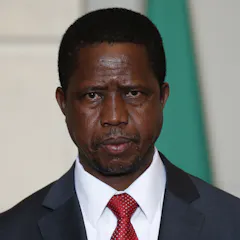
The unstable authoritarian pathway that many post-colonial African states followed was facilitated by the way in which European empires undermined democratic elements within African societies.
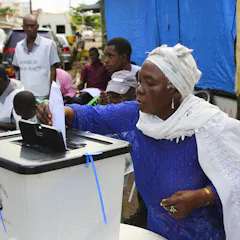
Popular theories of high-level electoral conspiracy shaped the emergence of new political orientations
Top contributors
-

Professor of Democracy, University of Birmingham
-
Lecturer in African History, Queen Mary University of London
-
Professor of Sociology, University of the Witwatersrand
-
Professor in Political Science, University of South Africa
-
Extraordinary Professor, Department of Political Sciences, University of Pretoria
-
Director of the Leaders of Africa Institute and Research Affiliate with Davidson College, Davidson College
-
Chief Research Specialist in Democracy and Citizenship at the Human Science Research Council and a Research Fellow Centre for African Studies, University of the Free State
-
Research Associate, Dept of Anthropology & Development Studies and Fellow, Clare Hall, University of Cambridge, University of Johannesburg
-
Professor of Political Studies, University of Johannesburg
-
Director & SARChI Research Chair: Political Economy of Migration in the SADC Region, University of Pretoria
-
Head of Department, Public and Environmental Law Department, University of Limpopo
-
Professor, Department of Political Sciences, University of South Africa
-
Professor of Public Affairs, Tshwane University of Technology
-
Associate Professor, International Development Studies; Associate Dean, Menno Simons College, University of Winnipeg
-
Professor of Urban Governance, University of the Witwatersrand