
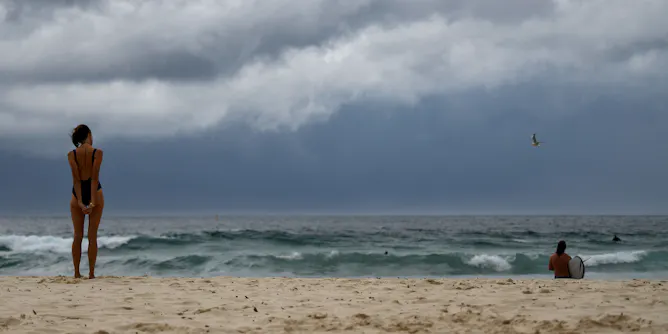
Contrary to popular belief, new research shows the abrupt, often gale force wind changes known as “southerly busters” are becoming more frequent, but less severe, as the climate changes.
Articles on El Niño Southern Oscillation
Displaying 21 - 40 of 72 articles
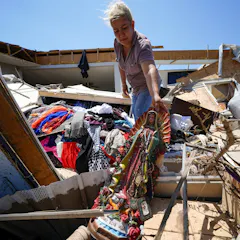
Spring 2024 was menacing for large parts of the US, with a tornado nearly every day in May. Tornado outbreaks tore up communities across multiple states.
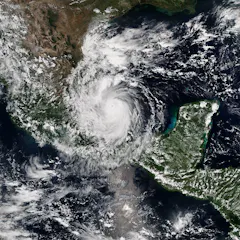
NOAA issued its busiest preseason hurricane forecast yet, with the second highest accumulated cyclone energy. An atmospheric scientist explains what’s behind the numbers.
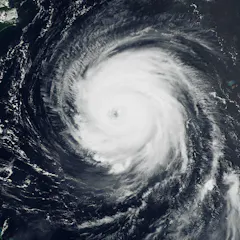
Vertical wind shear can keep tropical storms in check, particularly during El Niño years. When El Niño is gone, it’s a different story.

Option price swings show how much traders believe seasonal climate and weather matters for all sorts of industries, not just the ones you might expect.
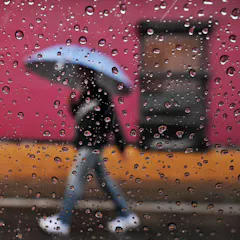
After a year of record-breaking global heat with El Niño, will La Niña bring a reprieve? That depends on where you live and how you feel about hurricanes.
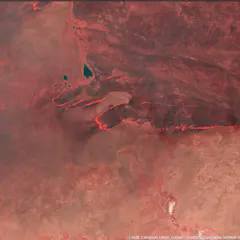
The 2023 megafires burnt more than 84 million hectares of desert and savannah in northern Australia. That’s larger than the whole of NSW, or more than three times size of the UK.
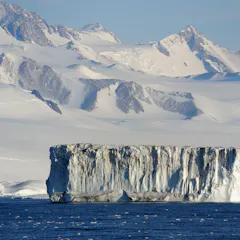
El Niño can direct more warm water to the base of West Antarctic ice shelves, accelerating melting and increasing global sea level.
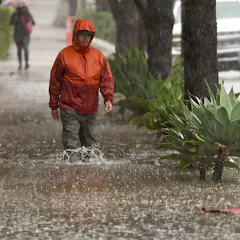
The strong El Niño that started in 2023 will still have big impacts at least through March. Here’s what to watch for next.

With smartphones as commonplace as towels and sunscreen in the beach bag, why not add coastal data collection to your list of holiday activities this summer? Look for the CoastSnap camera cradles.

El Niño looms large as we head into the Australian summer. But can everyone expect hot and dry weather? What drives the weather in your state?
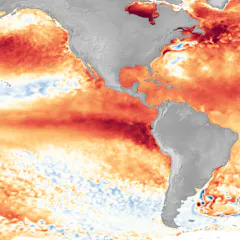
An atmospheric scientist explains how El Niño works, this year’s oddities and why this phenomenon doesn’t last long.
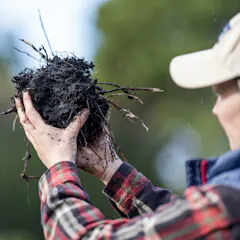
A group of agricultural and soil scientists has serious concerns about the way credits are awarded for soil carbon sequestration in Australia.
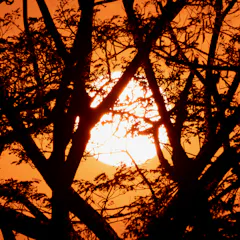
New research reveals how trees respond to extreme heat. Most trees lose more water than models predict. Some species cope better than others. Access to water will be critical for the hot summer ahead.
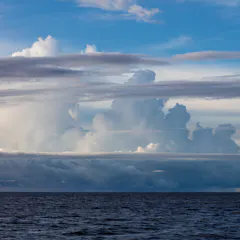
It’s not just ocean temperatures that determine whether we have El Niño or La Niña. Air circulation also plays a role, and it’s changing in unexpected ways.
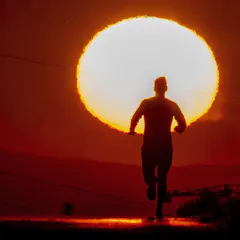
The bad news: Extreme heat is probably going to stick around for a couple of more years.
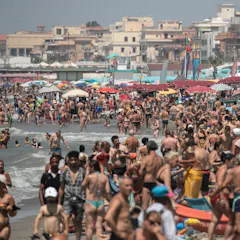
The predicted El Niño is a worry, but it doesn’t guarantee the record-breaking heat we’re seeing in parts of the Northern Hemisphere.
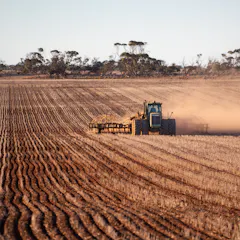
The new El Niño is unlikely to significantly increase global food prices, but some parts of the world will feel the pain.

The Pacific Ocean is entering the hot phase of its temperature cycle, an event that will turbo-charge global warming.

The El Niño is a reminder that bushfires are part of Australian life. But whether or not this fire season is a bad one, Australia must find a better way to manage bushfires.
Top contributors
-

ARC Future Fellow and Associate Professor in Climate Science, ARC Centre of Excellence for 21st Century Weather, The University of Melbourne
-
Senior Research Associate, UNSW
-
Director of the ARC Centre of Excellence for Our Future Oceans and Scientia Professor in Oceanography, UNSW
-
Senior Research, Euro-Mediterranean Center on Climate Change; Professor of Ocean and Climate Dynamics, Georgia Institute of Technology
-
Professor, UNSW
-
Honorary Associate Professor of Climate Science, The University of Melbourne
-
Chief Research Scientist, Oceans and Atmosphere, CSIRO, CSIRO
-
Atmospheric Science Educator, Georgia Institute of Technology
-
Postdoctoral Research Fellow in Atmospheric Sciences, The University of Melbourne
-
Associate Research Professor in Climate Modeling, University of Colorado Boulder
-
Climate Research Scientist, National Oceanic and Atmospheric Administration
-
Professor of Climate Dynamics, University of East Anglia
-
Assistant Professor, Climate Science, Northumbria University, Newcastle
-
Manager Research and Development, Country Fire Authority
-
Associate Professor in Earth Science, Royal Holloway, University of London