
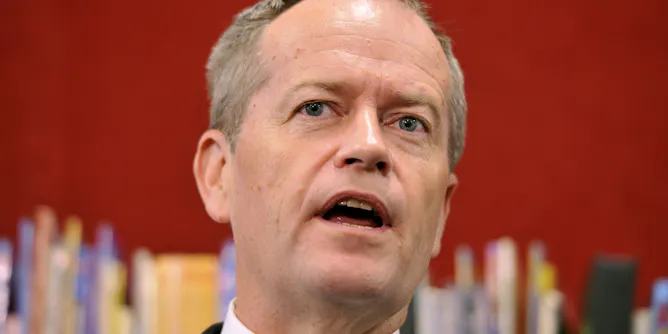
Funding is one of the few areas Labor has left to distinguish itself from the Coalition when it comes to school policy at the national level.
Articles on Education policy
Displaying 141 - 160 of 282 articles
Labor has announced it will commit to fully funding Gonski, with a reform package costing $37.3 billion over the next decade.
But is this actually what the Gonski review recommended?

Parents need to be pushier and demand private school places for their children.

The political obsession with back to basics literacy is leaving schools behind. What is taught in school is becoming increasingly distant from what is required in the real world.
Bill Shorten is pushing schools funding to the centre of this year’s election battle by committing to fully funding the Gonski blueprint.

By tying funding to disability categories, schools and parents are being put under pressure to seek a diagnosis for their child in order to get funding support.

Inner-city parents in urban redevelopment zones are the most likely to have problems getting their children into a government school.

A change in enrolment patterns demands a more comprehensive approach to selection to teacher education programs that goes beyond establishing minimum ATAR cutoff points.
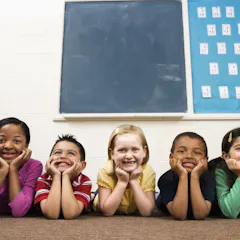
Rather than being microcosms of the community, schools are increasingly divided by class and ethnicity.

Around a fifth of children aged five to 16 will experience reading difficulties. Schools need clear guidelines on how to choose the best literacy programs for their students.

When Higher Education gets involved in our children’s schooling, we risk widening inequalities and creating ethical dangers.

2013 was the year of Gonski; 2014 the year of higher education reform; 2015 has been the year of … hmmm … wait, what actually happened this year? Just a lot of chat really, with much debate, but little…

Tightening regulation will contain the damage but this alone will not address the deeper problems in vocational education.

Through creating entrepreneurs and boosting global collaboration, science has the potential to drive economic growth and innovation – if only the government would properly fund it.

We should be cautious of implementing policies off the back of the OECD’s annual education report, which makes vast comparisons between countries and leaves out crucial data.
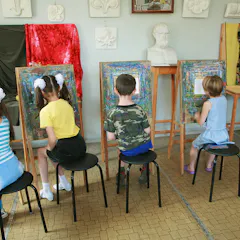
A systematic review of 199 international studies suggests that arts education remains a moot point.
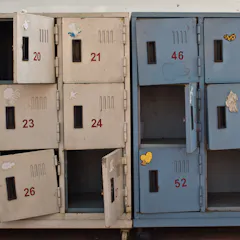
Current incentives used to recruit more teachers to work in rural and regional schools aren’t working. But could the health sector offer up some possible solutions?
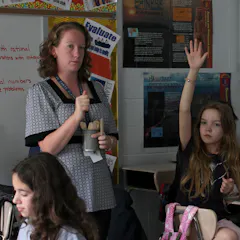
What role does a bit of recognition play for students?
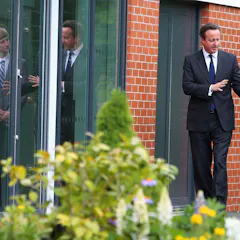
The new wave of academies created since 2010 are very different to those that went before.
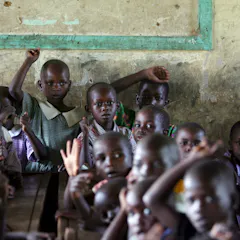
In Uganda, private schools are simply ignoring a policy that calls for pupils to learn in a mother tongue rather than in English for the first three years of their education.
Top contributors
-

Professor of Education and Public Policy, Durham University
-
Adjunct associate professor, Southern Cross University
-
School Education Program Director, Grattan Institute
-
Honorary Senior Fellow, The University of Melbourne
-
Professor of Education Futures, The University of Melbourne
-
Director of Research and Deputy Head of Southampton Education School, University of Southampton
-
Professor of Educational Leadership and Policy Studies, School of Education, University of Nottingham
-
Management Consultant & Occasional Lecturer in Management & Economics, CQUniversity Australia
-
Associate Professor in Language, Literacy and TESL, University of Canberra
-
Professor and Head of School, School of Early Childhood and Inclusive Education, Queensland University of Technology
-
Emeritus Professor of Education, University of Derby
-
Dean of Education, School of Education and Institute for Education, Bath Spa University
-
Executive Director, Public Policy Institute, Australian Catholic University
-
Professor of Social Impact, University of Technology Sydney
-
Professor, Australian Catholic University