

Communal meals to break fast can mean lots of single-use plastics. A switch to environmentally friendly principles is in line with Islamic principles through the ages.
Articles on Ecology
Displaying 181 - 200 of 538 articles
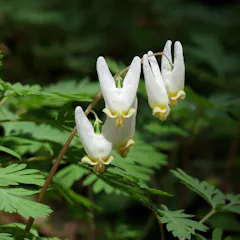
Many beloved wildflowers bloom in early spring, while trees are still bare and the flowers have access to sunlight. Climate change is throwing trees and wildflowers out of sync.
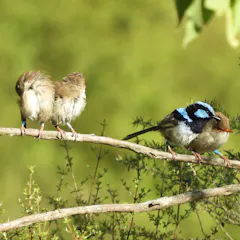
Despite their small size, fairy-wrens have surprisingly complex social ties. They’ll risk life and limb to help others – but only if they know them.
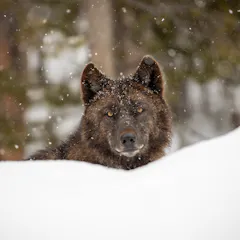
Less than a century ago, Colorado hunted, trapped and poisoned all the wolves within its borders. Today it’s restoring them – a change that reflects a profound shift in human thinking.
Animals and plants living in cities are more likely to thrive when they are able to quickly adapt to urban conditions.
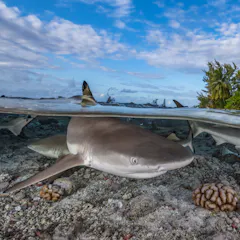
Over 100 shark and ray species were recently added to an international treaty, known as the CITES list, to protect them from the threat of unsustainable and illegal trade.
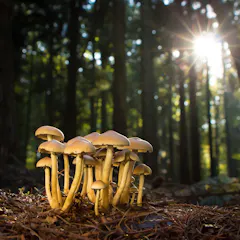
A new study looked at the many claims made about soil fungi and found some misconceptions.
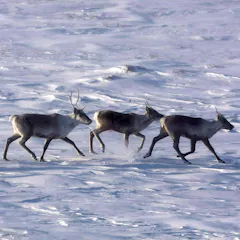
To guard against extinction, we must advocate for common species.

Tu BiShvat has religious roots, but early Zionists embraced the day in new, more secular ways.
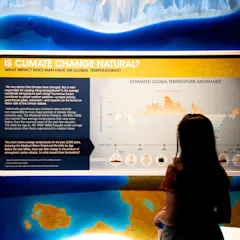
It was in the 1990s that the idea of Christian environmental stewardship disappeared from the rhetoric of the religious right, paving the way for the anti-environmental position it holds today.

Close relatives of primates adapted to life in the High Arctic 52 million years ago – this may offer insight into future changes in the Arctic.
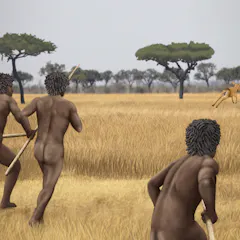
Africa’s large mammal heritage has formed a deep cultural legacy for all of humankind.
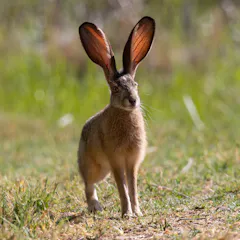
You might think of bunnies as ubiquitous, but it’s actually a relatively small group of species – and many of them are unique, little-known, and in trouble.
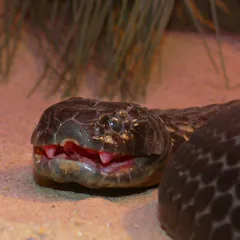
Less than a century ago, a slither of tiger snakes was abandoned on one of Western Australia’s tiny islets. Here’s how they adapted to survive.
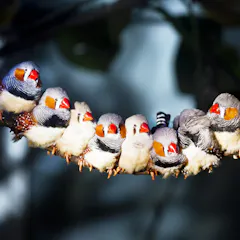
Birdsong plays a vital social role in the lives of these gregarious finches.
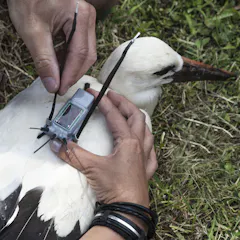
Scientists use biologging devices to track animal behaviour – here are four times where it has improved our understanding of nature.

Humans are expert pattern-finders. But artificial intelligence tools are better at trawling through vast data sets to find anything from waste dumps to heat-tolerant corals.
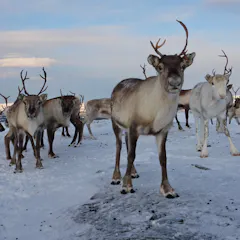
The annual report is also a reminder that what happens in the Arctic affects the rest of the world.
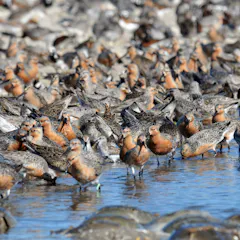
Governments, scientists and conservation groups are working to protect 30% of Earth’s land and water for nature by 2030. Two scientists explain why scale matters for reaching that goal.
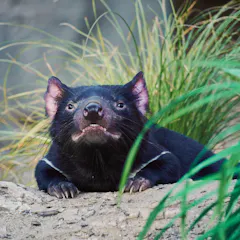
The same technology found in a widely used COVID-19 vaccine could be the key to helping save wild Tassie devils – without any needles.
Top contributors
-

Matthew Flinders Professor of Global Ecology and Node Leader in the ARC Centre of Excellence for Indigenous and Environmental Histories and Futures, Flinders University
-
Professor of Conservation Biology, School of Life and Environmental Sciences, University of Sydney
-
Associate Professor in Entomology, University of Sydney
-
Professor in Wildlife Ecology and Conservation, School of Life & Environmental Sciences, Deakin University
-
Lecturer in the School of Applied Sciences, Edinburgh Napier University
-
Professor in Ecology, Charles Sturt University
-
Senior Research Scientist of Ecology and Evolutionary Biology, University of Connecticut
-
Associate Professor, Ecology, Northumbria University, Newcastle
-
Professor of Biology, Boston University
-
Associate Professor of Wildlife Ecology, University of Florida
-
Assistant Professor of Ecology and Evolutionary Biology, University of Connecticut
-
Professor of Sustainability, Azim Premji University
-
Emeritus Professor of Ecology, University of Salford
-
Professor of Pyrogeography and Fire Science, University of Tasmania
-
Postdoctoral Researcher in Mycology, West Virginia University