

Perry was being legally prescribed infusions of ketamine.
Articles on Drowning
Displaying 21 - 39 of 39 articles

A sinister and slow-building sense of dread ensures Nic Roeg’s supernatural horror lingers in the mind long after the credits have rolled.
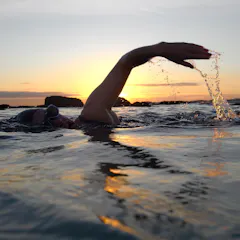
New research reveals drowning risk increases during Australian heatwaves, especially severe heatwaves. Here’s who is most at risk and what we can all do to stay safe.
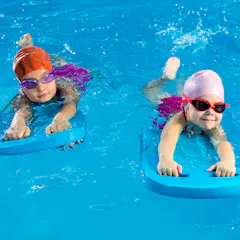
An estimated 40% of children leave primary school without being able to swim the length of an Olympic swimming pool.
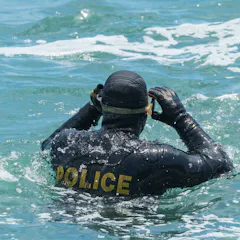
You can’t tape off an entire ocean. But ‘aquatic forensics’ is an emerging field, with techniques borrowed from archaeology, marine biology and more.
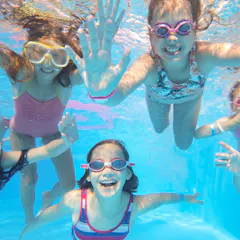
Access to swimming in the UK has been hit by COVID and the cost of living crisis and that has consequences for children and young people.
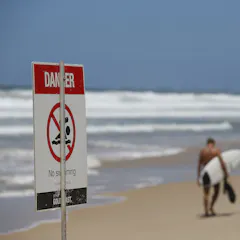
When a loved one is struggling in the water, you might want to rush in to save them. But make sure you stop and think or you could become the one in trouble.
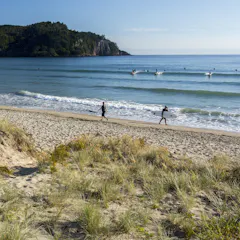
Last summer was the worst for drownings in a decade, with some groups tragically overrepresented. Community groups are urging a change of approach to water safety education.
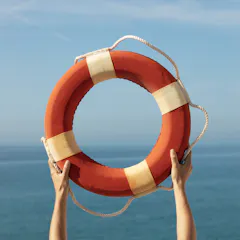
Many beaches are short on lifeguards this summer. An expert explains how to keep your loved ones safe in the water.
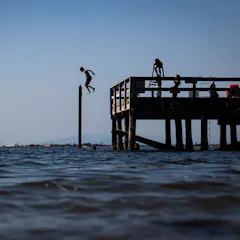
Rough surf and nearshore currents lead to about 50 drowning fatalities annually in the Great Lakes.
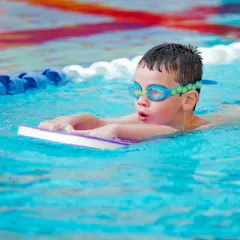
While it may be possible to teach young infants basic motor skills in water, infants cannot, and should not, be expected to know how to swim or to be able to react appropriately in emergencies.
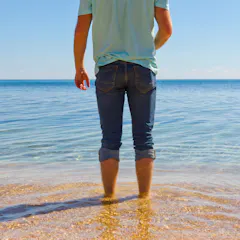
Non-swimming adults must first get familiar with the different sensations in and underwater.
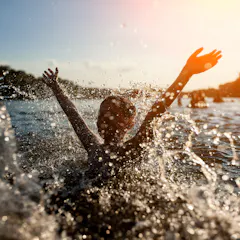
Australians are entering our most dangerous time of year for fatal drownings. So what can you do to keep yourself and loved ones safer this summer?
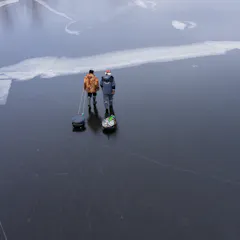
Winter drownings become more common on warmer days or when rain has fallen on snow, leaving the ice thinner, weaker, and less stable.
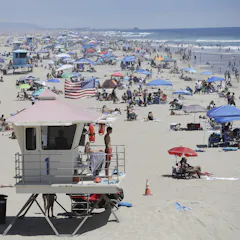
After months of isolation, beaches could see a rising number of rescues and drownings.

Swimming lessons can save lives. Here’s what your child should ideally be able to do in the water at different stages of their development.

The causes of injuries to children are often linked to the circumstances in which people live.
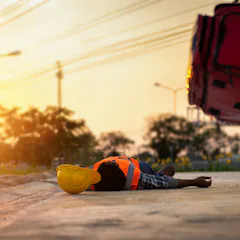
A new US study has found warmer temperatures will lead to more deaths from injury, for example in transport accidents, drownings, assaults and suicides. But what does this mean for Australia?
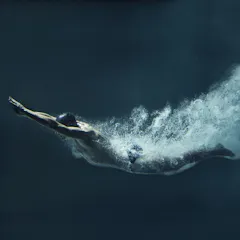
Cold water shock explained.
Top contributors
-

NHMRC Research Fellow, School of Population Health and Co-founder UNSW Beach Safety Research Group, UNSW
-
Professor in Department of Earth and Environmental Science, and Dean of Science, University of Waterloo
-
Professor, UNSW Beach Safety Research Group, School of Biological, Earth & Environmental Sciences, UNSW
-
Director of the Centre for Alcohol Policy Research, La Trobe University
-
Research Fellow in Public Health, The University of Queensland
-
Professor of Public Health, James Cook University
-
Senior Lecturer, School of Business, Western Sydney University
-
Associate Professor in Pharmacy Practice and Digital Public Health, Kingston University
-
PhD candidate, University of Cagliari, James Cook University
-
Research assistant in Public Health, Medical, and Veterinary Sciences, James Cook University
-
Associate Professor in Psychological Science, Western Sydney University
-
Professor in Psychological Science, Western Sydney University
-
Lecturer in Intercultural Studies, Monash University
-
Associate Professor, School of Social Sciences and Psychology, Western Sydney University
-
Professor of Human and Applied Physiology, University of Portsmouth