

For deaf audiences, inclusion means more than being welcomed; it’s being able to attend performances with the same spontaneity and freedom as everyone else.
Articles on Disability inclusion
Displaying all articles

We’re still waiting for Australian cities to ensure public venues are fully accessible – and when that happens it won’t just be people with disabilities who’ll be better off.

Discrimination, a lack of accessibility and isolation still prevent persons with hearing loss from experiencing equity and inclusion at work.

Increased acceptance of the use of alternative and augmentative communication technologies in general society can enhance the quality of life for people with speech impairment.

Communities and employers miss out when they don’t embrace disabled employees. Companies must be supportive and proactive about including and accommodating people with disabilities.

Establishing an inclusive and accommodating work environment for people with dyslexia can foster a diverse workforce and improve productivity, innovation and performance.
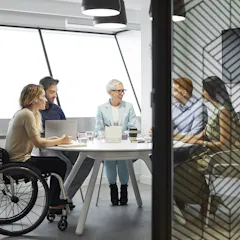
Avoiding the office commute is just one reason why working from home suits many workers with disability better. Employers need to take a nuanced approach to workplace flexibility.

Organizations that are serious about diversity, equity and inclusion in the workplace need to actively and consistently work towards removing barriers to employment for employees with disabilities.

Many people want to go ‘back to normal’, but this isn’t possible for many disabled people.
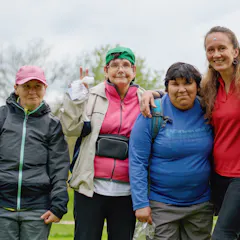
People with intellectual disability told us they want better transport, employment and better maintained public toilets and pedestrian crossings. But many said their opinions were rarely sought.
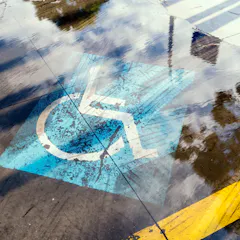
We surveyed people with disability and carers after a major flood in the Northern Rivers area of New South Wales area. Some of the stories were shocking.
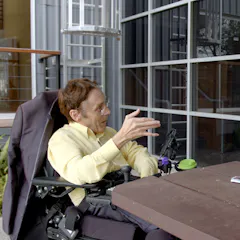
Disability-inclusive disaster planning means people get support matched to their needs, frees up emergency services and makes emergency managers’ jobs easier. It boosts disaster resilience for everyone.

Logical thinking, curiosity, evidence-based decision making and fresh perspectives are all benefits brought by neurodiversity.

Online learning can create problems for students, particularly those with disabilities, unless platforms and content are designed with accessibility and inclusion in mind.
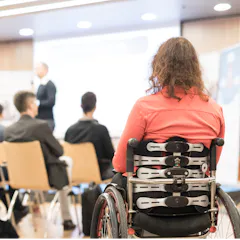
Despite laws that prohibit discrimination against persons with disabilities, very few universities in Indonesia have dedicated units that provide special needs services.
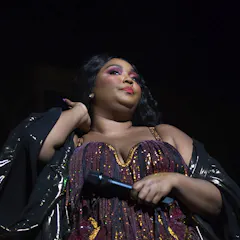
A cognitive scientist observes that the words that bother college-age Americans today can cause harm.
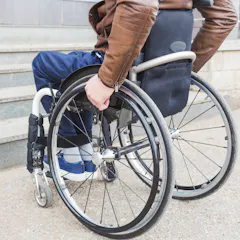
It doesn’t take much to start making it easier for people with a disability to get around a city.
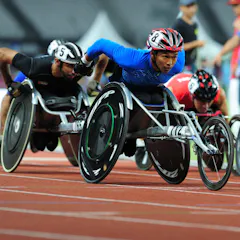
The work towards disability inclusion needs a continuous sustained effort involving government down to the village level working together with people with disabilities.
Top contributors
-

Lecturer, Australian Catholic University
-
Associate Professor, University of Sydney
-
Postdoctoral Fellow, Rotman School of Management, University of Toronto
-
Professor of Industrial-Organizational Psychology, Portland State University
-
PhD Candidate in Business Administration and Management, Concordia University
-
Lecturer, Educational Psychology & Inclusive Education, Monash University
-
Adjunct Professor of Organizational Studies, Schulich School of Business, York University, Canada
-
Associate Professor, Human Resource Management, UNSW Canberra, UNSW
-
School of Public Health, Honorary Professor, University of Sydney
-
Senior Research Fellow, The University Centre for Rural Health, University of Sydney
-
Professor of Accounting, Durham University
-
Researcher and Policy Analyst at Padang City Board of Development Planning, UNSW
-
PhD Student in History, University of British Columbia
-
Associate Professor in Health and Physical Education, Monash University
-
York Research Chair in Stigmatization & Social Identity, Associate Professor of Organization Studies, York University, Canada