

AusAlert is a significant improvement to Australia’s emergency warnings, but the question isn’t just about whether it works.
Articles on Inclusivity
Displaying 1 - 20 of 56 articles

After decades assuming disabled people would struggle in spaceflight, researchers are finally asking what they can contribute.

Two romance bookstores opened in Lawrenceville in early 2026. A psychologist explains why readers want community beyond their screens.
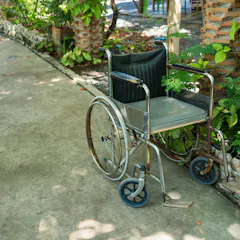
How to place disabled people, who are some of the most vulnerable, at the centre of climate change negotiations.

What grants influential women visibility and diplomatic status? Women in Diplomacy day on June 24 is an opportunity to consider how female-led efforts are recognised, valued and remembered.

Language barriers create a hidden but serious form of mobility exclusion, and the burden of adapting should fall on transit systems, not riders.
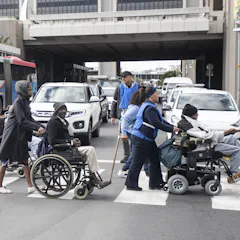
Structural barriers such as inaccessible infrastructure and lack of transport options affect South Africa’s reputation as a disability-friendly country.
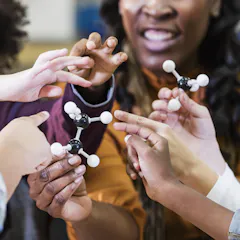
Scientists have traditionally focused on educating the public on science or correcting misinformation. But researchers from marginalized communities often have broader goals in science communication.
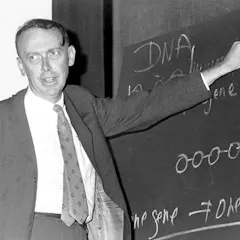
James Dewey Watson is best known for his Nobel Prize-winning discovery of the structure of DNA. Controversy around who should be credited highlights the challenges of scientific collaboration.
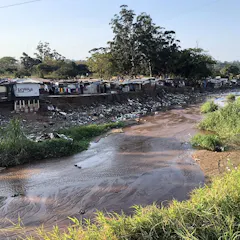
Researchers have found six steps to overturn unfair economic and social systems that leave disadvantaged people at risk of climate disasters.

Mattel’s new Barbie comes equipped with an insulin pump and wears a continuous glucose monitor on her arm.
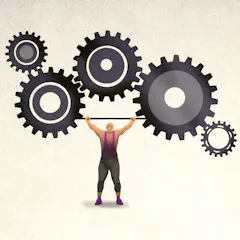
My experience in the corporate world showed me how much the human element matters. I went into academia to translate theory into practice.

An education scholar explains how some teachers and school counselors are quietly resisting what they see as political incursion into the classroom.
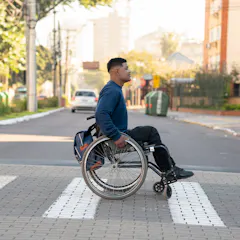
Inclusive design can not only improve the physical well-being of people with disabilities but also improve social interactions and trust in mobility aids.

Of the top 50 most popular Spotify podcasts in Australia today, more than half come from overseas – and primarily the United States.

Today, many people associate epicureanism with hedonistic pleasure-seeking – but that’s not really what he taught.

A lack of accessibility can have a serious impact on a person’s quality of life. Universities should teach students to develop creative solutions that make urban environments more inclusive.

A diverse and safe school has to actively involve families and the local community, as well as students and teachers.

While the Paralympics enhance visibility for athletes, its use of inclusivity can mislead the public and overshadow other important disability sports and grassroots initiatives.

If sport is for everyone, sport must be (re)imagined in ways that make it more accessible for all bodies. We have an ethical responsibility to change sport to make it meaningfully inclusive for all.
Top contributors
-

Dean, Faculty of Environmental Design, Université de Montréal, Full Professor School of Design, Université de Montréal
-
Honorary Fellow in Criminology, The University of Melbourne
-
Yale University
-
Lecturer in Education, Cardiff Metropolitan University
-
Doctoral Researcher, Aston University
-
Professor, Stellenbosch University
-
Chief Specialist Scientist in Alcohol, Tobacco and Other Drug Research Unit, South African Medical Research Council
-
Professor of Management/Organizational Behavior, Oregon State University
-
Lecturer in Education, Manchester Metropolitan University
-
Francine V. McNiff Professor of Criminology, The University of Melbourne
-
Professor of Industrial-Organizational Psychology, Portland State University
-
Senior Lecturer, Department of Management, Macquarie University
-
York Research Chair in Stigmatization & Social Identity, Associate Professor of Organization Studies, York University, Canada
-
Associate Professor of Mechanical and Materials Engineering, Building and Designing Assistive Technology Lab, Queen's University, Ontario
-
Postdoctoral Fellow, Rotman School of Management, University of Toronto