
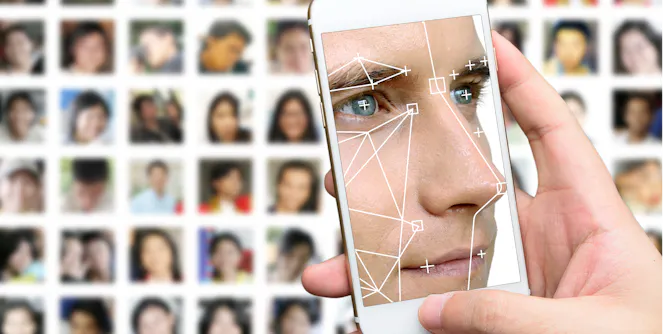
The law is out of step with technology that means anyone can manipulate your images in hyper-realistic ways.
Articles on Digital privacy
Displaying 21 - 40 of 111 articles
There’s no way an independent assessor will be able to actually monitor how Facebook might violate or abuse users’ privacy in key ways.
Biometric data is forever. Any employer seeking to collect it has big obligations to meet. And employees have the right to object.
The drumbeat of data breaches and the growing problem of identity theft disproportionately harm low-income Americans.

Even governments in democracies with strong traditions of rule of law find themselves tempted to abuse these new abilities.
Consumers want better protection for their data, and businesses want clear national laws. Yet there is virtually no consensus about what a broad privacy law should entail.

Tiny electronic items can identify pets, clothes and even people. Evangelical Christians aren’t the only people worried about what this technology might mean.

The General Data Protection Regulations have been in force since May 2018. Analysis of its four key measures: labels, liability obligation, portability and pseudonymisation.

Lessons on the shaping of current privacy and technology notions by the US Supreme Court.

Experts describe their research into how smartphones collect and share private personal information with tracking companies and advertisers.

The opt-out period for the controversial My Health Record scheme is
being extended again – this time to January 31.

A recent US Supreme Court ruling marks a new milestone in the debate over police power and privacy in the digital age.
Privacy rules enacted in Europe are affecting companies – and their customers and users – all around the world.
Researchers analyze social media data to gain useful insights into modern society and culture. But it’s important to protect users’ privacy. How can both ends meet?

The internet developed as a place for open collaboration; there are technical limits on its transformation into a commercial marketplace.

For years, watchdogs have warned of the potential problems of sharing data with online companies. The Facebook data crisis has made these concerns much more real. What should be done now?

The current reckoning with data has been a long time coming, a historian of privacy in the US writes.
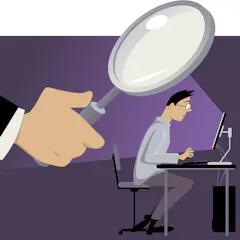
US privacy laws focus on informing consumers what’s happening with their data; other countries specifically restrict data collection and analysis.

Slacktivism won’t cut it in the wake of the Cambridge Analytica scandal.

Could an employer or platform claim copyright in a chat group? We’d first have to accept that conversations in a chat group are protected by copyright.
Top contributors
-

Associate Professor, School of Law, University of Canberra
-
Senior Lecturer, Information Management, Te Herenga Waka — Victoria University of Wellington
-
Professor of Global Politics and Cybersecurity, UCL
-
Head, The Cyber Academy, Edinburgh Napier University
-
Distinguished Professor and C. Ben Dutton Professor of Law, Indiana University
-
Lecturer in Media Studies, Te Herenga Waka — Victoria University of Wellington
-
Professeur de Droit. co-Director of the MSc in Health Management & Data Intelligence. Droit international des affaires, Business and Compliance. Health management, EM Lyon Business School
-
Honorary Lecturer in Sociology, Australian National University
-
Professor in Human Resource Management and Employee Relations, Swinburne University of Technology
-
Professor specialising in Internet law, Bond University
-
Professor of Cybersecurity, Head of School of Computer Science and Informatics, De Montfort University
-
Fellow of the Faculty of Engineering and Information Technology, University of Technology Sydney
-
Associate Professor in Telecommunications Engineering, Swinburne University of Technology
-
Professor, Monash University
-
Senior Lecturer of Media Studies and Digital Media, University of Sussex