
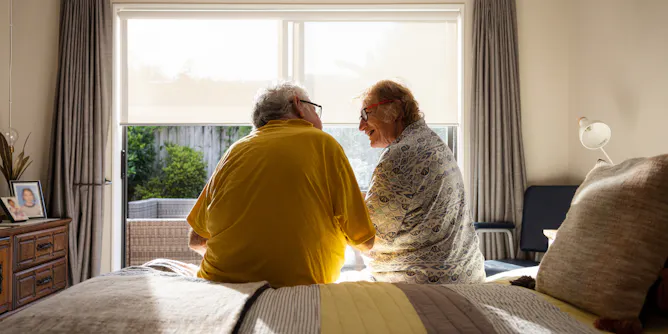
New dementia-friendly design guidance shows how simple changes can make homes safer and easier to navigate for people living with the condition.
Articles on Dementia care
Displaying 1 - 20 of 25 articles
Medicine may slow decline for some, but dementia care must also protect dignity, identity and story when speech begins to fade.
Research shows that praise can guide people with dementia through difficult tasks on busy wards, but unclear or poorly timed praise may cause confusion.

With time, objects and careful listening, people living with dementia can still share the memories that shape who they are.

With a growing global population and a greater proportion of people living over the age of 65, it is likely dementia cases will actually increase.
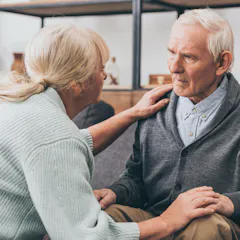
Competing realities can be a major source of distress for those with dementia and some ways of responding are more effective than others.
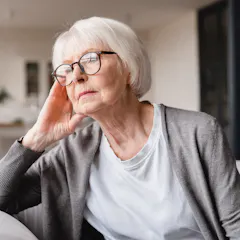
The NT government has invited views on access to voluntary assisted dying. But whether it should include access for those with dementia is not so clear cut.
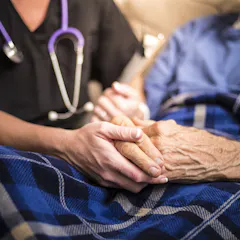
When dementia patients on Medicare enroll in hospice, they lose other crucial supports and services.

Family caregivers who have stronger support networks and positive communication with loved ones tend to be more resilient.
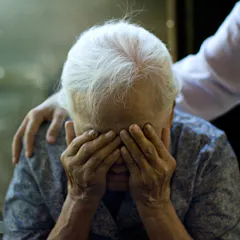
People living with dementia often become more confused in the late afternoon and into the night. Why, and what can we do about it?

When a person with dementia is in distress, they need calm and caring treatment to protect themselves and others – but prevention should be the goal.

People who live with dementia and those who care for them are at increased risk of social isolation and loneliness. That can make floods and other emergencies especially distressing and dangerous.
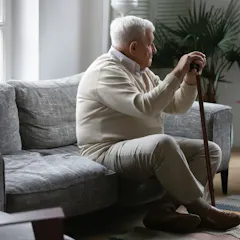
We asked more than 830 older Australians about their awareness of 12 factors that help reduce dementia risk.
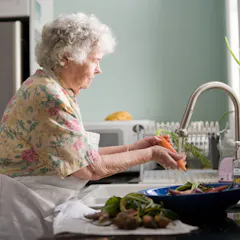
When aged care residents are involved with mealtime jobs such as sorting cutlery and laying the table, they are treated like people not task lists.

A clearer understanding of the true treatment costs of dementia for American Indian and Alaska Native adults could help health services better meet the needs of the populations they serve.
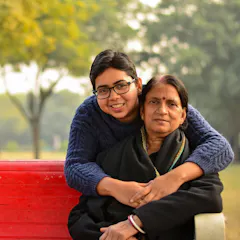
People living with dementia in the South Asian community often face challenges accessing care because of a lack of culturally appropriate services, language barriers or perceived stigma about dementia

Research shows that violence between patients is prevalent, often overlooked and largely unaddressed.
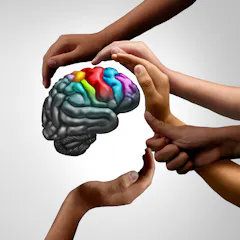
‘Dementia friendly’ communities seek to support people with memory loss, recognize them as equals, celebrate their contributions and enable them to live with purpose in welcoming communities.

Forget Alexa – true artificial intelligence will be able to understand dementia patients’ needs and offer help accordingly.
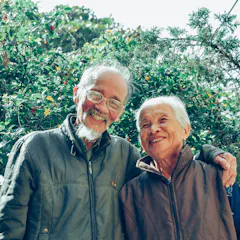
Some carers actually thrive in the face of dementia, here’s why.
Top contributors
-

Professor of Clinical Nursing, Dublin City University
-
Head of Clinical Services, Dementia Support Australia, & Associate Professor of Psychiatry, Monash University
-
Professor, Faculty of Law, University of Technology Sydney
-
PhD Researcher, Bangor University
-
Senior Lecturer, School of Architecture Design and Planning, University of Sydney
-
Senior Research Fellow, Flinders University
-
Research fellow, South Australian Health & Medical Research Institute
-
Senior Professor, Sustainable Buildings Research Centre (SBRC), University of Wollongong
-
Associate Professor | Deputy Director, The MARCS Institute for Brain, Behaviour and Development, Western Sydney University
-
Associate Professor, School of Health Sciences, University of Tasmania
-
Professor of Law, Australian Centre for Health Law Research, Queensland University of Technology
-
Professorial Fellow and Executive Director, Dementia Training Australia, University of Wollongong
-
Assistant Professor of Gerontological Social Work, University of Texas at Arlington
-
Research Fellow, Australian Centre for Health Law Research, Queensland University of Technology
-
Assistant Professor in User Research, Okayama University