
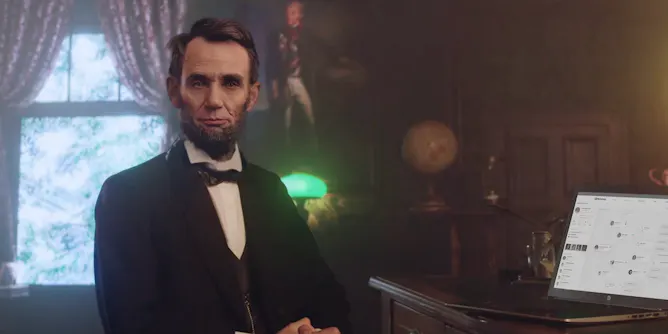
Deepfakes could strengthen our engagement with history. But there are dangers to the practice, some obvious, others more subtle.
Articles on Deepfakes
Displaying 101 - 120 of 124 articles
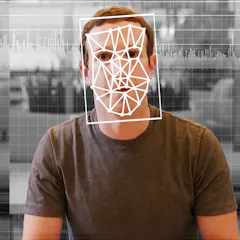
Fake videos generated with sophisticated AI tools are a looming threat. Researchers are racing to build tools that can detect them, tools that are crucial for journalists to counter disinformation.
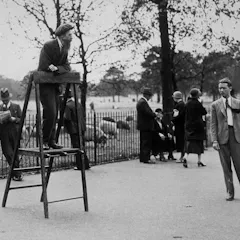
A scholar who has reviewed the efforts of nations around the world to protect their citizens from foreign interference says there is no magic solution, but there’s plenty to learn and do.
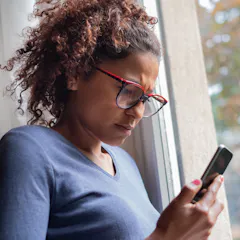
Images without context or presented with text that misrepresents what they show can be a powerful tool of misinformation, especially since photos make statements seem more believable.
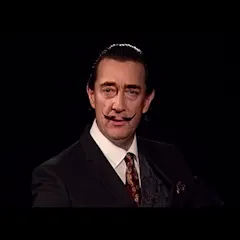
They’re associated with fake news and celebrity porn videos but there are some unexpected upsides to these slippery clips.
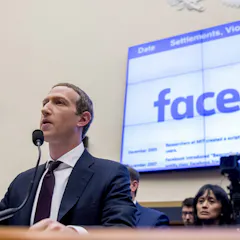
The abilities to detect and analyze deepfake videos is of the utmost urgency. Deepfakes are a serious threat to people’s security and our democratic institutions.

Even established political parties are using a host of tricks to manipulate the news.
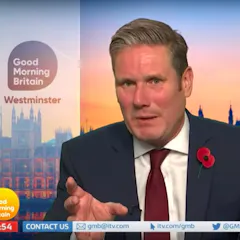
It’s a slippery slope from satire to dangerous deepfakes.
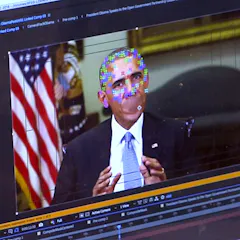
Fake videos pose a risk to democratic representation, participation, and discussion. Canadians need to be mindful of their existence as we head towards the federal election.
The Russians won’t be alone in spreading disinformation in 2020. Their most likely imitator will be Iran. Also, Instagram could get even more infected with intentional misinformation than it has been.

A key element of the battle between truth and propaganda has nothing to do with technology. It has to do with how people are much more likely to accept something if it confirms their beliefs.
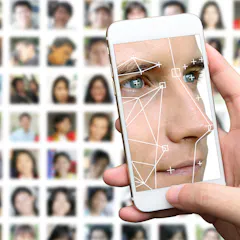
The law is out of step with technology that means anyone can manipulate your images in hyper-realistic ways.
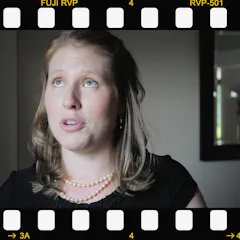
A new technique for detecting deepfakes conceives of videos as flip-books and looks for changes in successive frames of a sequence.

Laws against ‘revenge porn’, upskirting, deepfake pornography are piecemeal, and a review will take years to conduct. Here are three things government can do now to support victims.
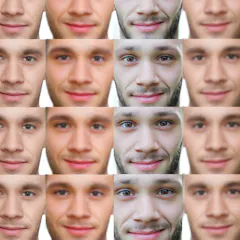
Research has found ways to detect deepfakes through flaws that can’t be fixed easily by the fakers.
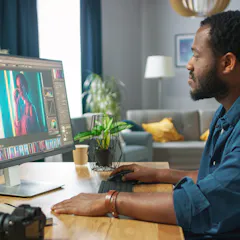
People fall for fake photos regardless of whether they seem to come from Facebook or The New York Times. What actually helps?
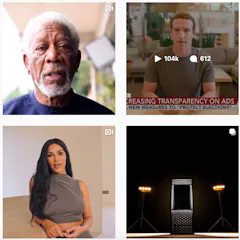
We know that social media platforms have an incentive to promote whatever gets the most attention, regardless of its authenticity. We’re more reluctant to admit that the same is true of people.
When artificial intelligence systems try to behave like humans and make mistakes, they show their limits – but also their startling advances.
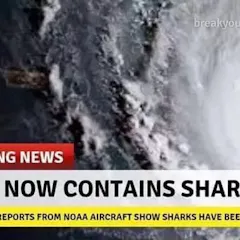
It’s easier than ever to create a fake image and spread it far and wide online. But there are steps that you can take to protect yourself from fishy photos.
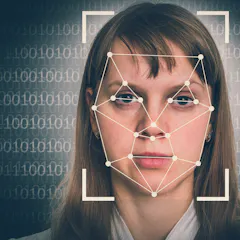
More democratic forms of politics, journalism and fact-checking will be needed when we can no longer trust any video footage.
Top contributors
-

Professor of Global & Language Studies, RMIT University
-
Director, Institute for AI and Data Science, Distinguished Professor, Computer Science and Engineering, University at Buffalo
-
Professor of Law, Durham University
-
Professor of Criminology, Monash University
-
Professor of Computer Science, University of California, Berkeley
-
Professor of Law, University of Melbourne; Chair of Private Law, Te Herenga Waka — Victoria University of Wellington
-
Professor of Family and Sexual Violence, RMIT University
-
Professor of Philosophy and Director of Applied Ethics Center, UMass Boston
-
Assistant Professor of Journalism and Emerging Media Studies, Boston University
-
Research Scientist in Cybersecurity, Rochester Institute of Technology
-
Professor and Chair of Cybersecurity, Rochester Institute of Technology
-
Associate Professor, Educational Technology, Université Laval
-
Adjunct Lecturer in Public Policy, Harvard Kennedy School; University of Toronto
-
Senior Lecturer in Artificial Intelligence, Te Herenga Waka — Victoria University of Wellington
-
Professor of Community Information, University of Michigan