

Most states require warnings on AI-generated political ads, but studies show these disclosures do little to alter people’s willingness to share the content.
Most states have legislated election deepfakes by requiring a warning
28 states require disclosures on the media
Articles on AI deepfakes
Displaying all articles
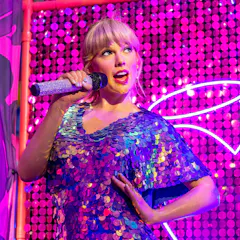
Listen to intellectual property expert Graeme Austin talk about the legal routes celebrites are using to fight back against AI deepfakes.
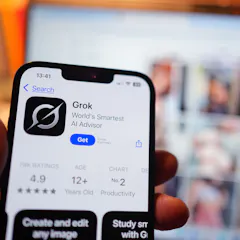
While the UK reins in deepfakes on Elon Musk’s X, NZ’s outdated laws leave women exposed and platforms unaccountable.

Publicly bombarding women with these images exerts control over how they present themselves online.
South African law tackles deepfakes but enforcement remains a challenge.

AI-generated deepfake abuse material is easy to create – but there’s plenty we can do to stop it spreading in our schools.

Music and technology have been evolving together since long before the advent of AI. But without better safeguards now, artists face an uncertain future.
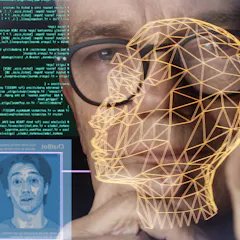
Some countries have already moved to regulate the use of artificial intelligence in political campaigning. New Zealand should follow suit.
AI-powered voice cloning apps are now easily accessible and cost as little as $100 to use. The law needs to catch up. But how?
To say there is a lot of hype about AI is an understatement. Yet a pragmatic policy discussion is possible, and the public is more ready than we might think.

AI impacts many things beyond the flashy chatbots – often in ways that quietly improve everyday processes.

One recent analysis of almost 100,000 deepfake porn videos found South Korean women and girls featured in more than half.
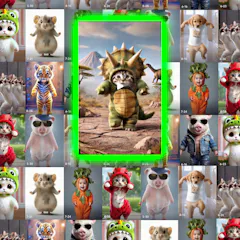
In places like India, Vietnam and China, churning out weird AI videos is the latest side hustle for students and stay-at-home mothers.

There’s ever-evolving ways for children and young people to be harmed online. Here’s what kids think about the harms they experience and how to prevent them.

As they improve, we’ll likely trust AI models with more and more responsibility. But if their autonomous decisions end up causing harm, our current legal frameworks may not be up to scratch.

Police efforts to sort through online child sexual exploitation material are being hampered by the rise in AI-generated imagery. Here’s how they’re working to combat the problem.

Our survey of more than 16,000 people in ten countries found Australia had the highest rate of deepfake porn victims.

The invisible threat of deepfake porn now pervades the lives of women and girls
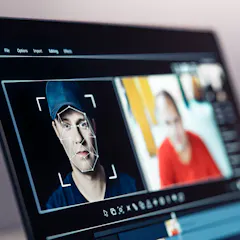
As technology has advanced, AI-generated deepfakes have become more convincing.

With so much advice available, how are we still getting scammed? It’s because cybercriminals use sophisticated psychological techniques to trick us and wear us down.
Top contributors
-

Host, The Conversation Weekly Podcast, The Conversation
-
Professor of Law, University of Melbourne; Chair of Private Law, Te Herenga Waka — Victoria University of Wellington
-
Associate Professor in Criminal Justice and Criminology, Bond University
-
Postdoctoral research fellow, Edith Cowan University
-
Security Researcher, Associate Professor in Resilient Systems, Edith Cowan University
-
Assistant Professor Criminology and Criminal Justice
-
Assistant Professor, School of Communications, Dublin City University
-
Society for Applied Philosophy Postdoctoral Fellow, University of Leeds
-
Senior Lecturer in Law, University of Canterbury
-
Senior Lecturer in Artificial Intelligence, Te Herenga Waka — Victoria University of Wellington
-
Professor of Global & Language Studies, RMIT University
-
Professor of Law, Durham University
-
Associate Professor, Monash Business School, Director Corporate Law, Organisation and Litigation Research Group (CLOL), Monash University
-
Associate Professor in Law, Australian National University
-
PhD candidate, Digital Media Research Centre, Queensland University of Technology