

The forged document was used as leverage to try to expand papal control throughout the Italian peninsula.
Articles on Deep Fakes
Displaying all articles
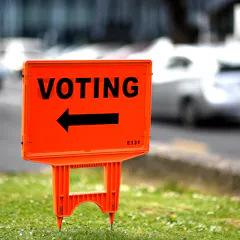
Months out from the next general election, political “AI slop” is spilling over social media feeds. Lessons from overseas could help electoral laws catch up.

With a major inquiry into online harms nearing its conclusion, NZ faces a pivotal decision about how boldly it wants to respond.
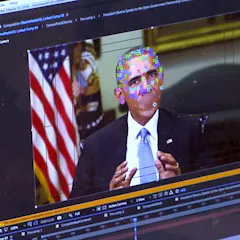
Open-source generative AI tools and certain apps put audio and video manipulation in the hands of anyone with a laptop. Here’s why that poses such a dire threat to democracy.
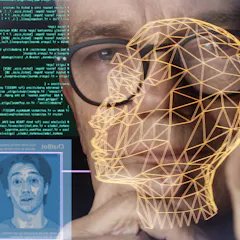
Some countries have already moved to regulate the use of artificial intelligence in political campaigning. New Zealand should follow suit.
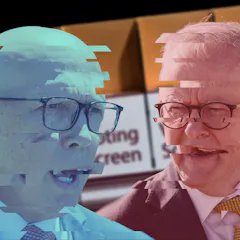
‘Stop and Consider’ aims to help voters sift the real from the fake but it will take more than this to combat a growing and insidious problem.
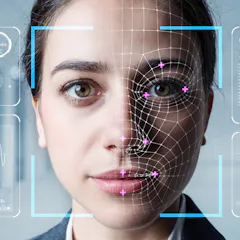
While AI promises to transform criminal justice by increasing operational efficiency and improving public safety, it also comes with risks around privacy, accountability, fairness and human rights.

Last year, Australians lost more than $2.7 billion to scammers. The government’s new scam prevention framework is currently open for public consultation.

The federal government is encouraging more people to use artificial intelligence. But this blind hype dismisses the harms caused by the new technology.

Visually appealing and cheap to produce, AI-generated images allow scammers and spammers to post high volumes of engaging content − and Facebook’s algorithm may be promoting these posts.
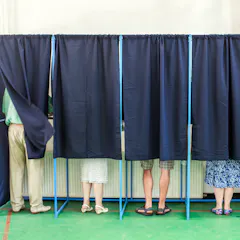
Most studies suggests that fake news is more likely to enhance existing beliefs and views rather than radically change voting intentions of those who are undecided.

Powerful AI tools available to anyone with an internet connection make it easy to impersonate someone’s voice, increasing the threat of phone scams.

People often struggle to distinguish between real faces and artificial ones made by a computer.
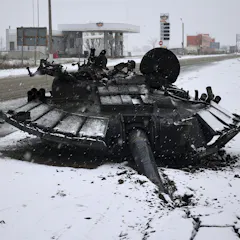
Footage claiming to document the situation in Ukraine may not necessarily be genuine. Here’s how to treat viral footage with the right level of scepticism before sharing it on social media.

Not everything that was painted can be taken as fact.
Top contributors
-

Professor and Chair of Cybersecurity, Rochester Institute of Technology
-
Research Manager of the Stanford Internet Observatory, Stanford University
-
Research Fellow at the Center for Security and Emerging Technology, Georgetown University
-
Professor of Psychology, Director of the Centre for the Politics of Feelings, Royal Holloway, University of London
-
Professor of Digital Communication, Director of QUT Digital Media Research Centre, Queensland University of Technology
-
Research associate in material and visual cultures of 18th-century Britain, University of York
-
Research Assistant at the Center for Security and Emerging Technology, Georgetown University
-
Professor of Policy Impact, University of Leeds
-
Research Scientist in Cybersecurity, Rochester Institute of Technology
-
Associate Professor of Visual Communication & Digital Media, RMIT University
-
Associate Professor, Queensland University of Technology
-
Associate Professor in Screen, Flinders University
-
Senior Lecturer in Media, Film, and Communication, University of Otago
-
Lecturer in Computer Science, University of the Sunshine Coast
-
Associate Professor in Cyber Security, Adelaide University