

Cybercrime is getting increasingly sophisticated, and scammers target senior citizens.
Articles on Scams
Displaying 1 - 20 of 117 articles

Dating apps have given an ancient profession, confidence scamming, a high-tech boost.

There are lessons from the COVID pandemic about why withdrawal rules are so strict.

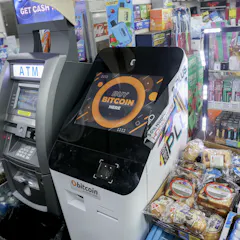
NZ has ruled out an outright ban on crypto ATMs. Overseas experience suggests targeted safeguards could protect users from fraudsters.

With rapid advances in AI, scammers have access to more sophisticated tools, including fake documents and more personalised targeting.

Sextortion is arguably the most predictable serious crime on the internet. It follows a script – and it can be stopped.

Australia’s 2.6 million small businesses and community groups need to act fast, or risk having their texts mistaken for scams – all because of one new word.

The median scam in Australia last year cost $400 – so a rapid refund of up to $3,000 sounds generous. But take a closer look and it starts to look oddly low.

QR codes are so familiar and widespread, we tend to trust them without question. That’s exactly what scammers rely on.

New anti-scam measures passed federal parliament more than a year ago. So why aren’t they in force yet? And what can people do to protect themselves in the meantime?

In the lead up to Valentine’s Day, dating apps get busier – and so do scammers.

Asymmetric checkpoint controls keep Myanmar’s scam economy alive.
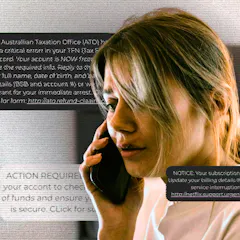
Making a three-step plan with your family – including creating a secret password or phrase – can help keep you safe these holidays and throughout the year.

Timor-Leste’s government has cancelled all online gambling licenses in response to the allegations, but many are calling for an independent investigation.

All of us are vulnerable to scams – it’s rooted in who we are as human beings. Recognising this is the first step to protecting ourselves.
Technology has supercharged fraud. The ruses are ancient, but the tools scammers use are cutting edge.

The focus should move from telling consumers how to avoid scams to hurting the criminals themselves.

With cyber crime groups constantly shifting tactics and getting creative, we all must stay vigilant – especially if we work at large companies.

What type of person lies to friends and family about having cancer?
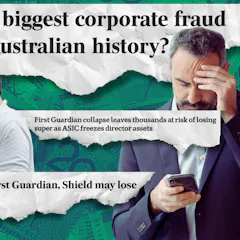
An ex-financial adviser shares her tips on spotting dodgy advice, as thousands of people wait to see if they’ll lose more than $1 billion in super.
Top contributors
-

Associate Dean (Learning & Teaching) Faculty of Creative Industries, Education and Social Justice, Queensland University of Technology
-
Professor of Cyber Security Practice, Edith Cowan University
-
Associate Professor in Cyber Security, Adelaide University
-
Professor of Security and Fraud, University of Portsmouth
-
PhD Candidate in Technology Facilitated Modern Slavery, Ca' Foscari University of Venice
-
Host, The Conversation Weekly Podcast, The Conversation
-
Professor of Psychology, Scripps College
-
Lecturer, Chinese Studies, The University of Melbourne
-
Honorary Senior Fellow, The University of Melbourne
-
Vice Chancellor's Fellow in Digital Innovation and Wellbeing, University of Bristol
-
Criminologist (Cybercrime), University of Surrey
-
Professor, Research Centre for Business in Society, Coventry University
-
Professor of Law (consumer protections and credit law), The University of Melbourne
-
Research Fellow, Deakin Cyber Research and Innovation Centre, Deakin University
-
Associate Professor of Information Systems, Curtin University