

For many people, coming to terms with chronic illness feels impossible. What if psychology could make meaning of the loss?
Articles on Grieving
Displaying 1 - 20 of 34 articles

When a pet dies, your world can unravel as you lose your best friend and anchor in a shifting world.

New research shows VR can produce immersive digital environments that provide a space where people can mourn, reflect, reconnect and share.

Contrary to popular belief, grief doesn’t unfold in 5 neat stages. Yet, when loss is traumatic, it can take a heavy emotional and physical toll, leaving mourners and their supporters overwhelmed and unsure how to help.

Many are surprised by the depth of sad yearning they feel after selling the childhood home. The grief can be especially profound if it coincides with a parent dying.

Ethical and legal issues around death in the digital age are thorny enough dealing with social media accounts. AI puts the notion of a digital afterlife into overdrive.

Fan communities coping with a celebrity loss do several things that help their members feel supported and connected.

A clinical psychologist offers research-backed ways to work through grief and support grieving friends and family members during the holidays.

By producing AI simulations of deceased people, private companies can leverage grief for profit.

Building ecological grief literacy in workplaces can help environmental professionals manage constant exposure to the many causes of their grieving.
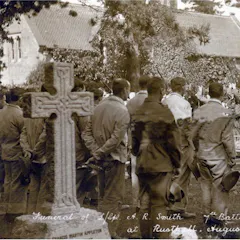
With so many people grieving, the notion of doing so in public was seen as tasteless and vulgar. Funerals became smaller, people put on a brave face in public and fewer people wore black.

So Mum or Dad has died, or moved to aged care, and now you’ve got to pack up their house. It’s a huge job and you’re dreading it.

AI ghosts, the recreation of digital versions of the dead, may sound like a wonderful idea to those dealing with the pain of loss but this technology could seriously disrupt the grieving process

It might seem creepy but digital necromancy is a natural extension of how we grieve in the age of AI.

Letting go of what could have been is a critical step in handling ambiguous loss.

Losing a loved one in traumatic circumstances can lead to persistent grief that does not ease over time.

Sharing administrative tasks and reminiscing on family moments can bring siblings together during tough times.

Whose lives are considered worth grieving? Why is Queen Elizabeth’s life and death considered more grievable by authorities than Indigenous people, overdose victims or anyone else?
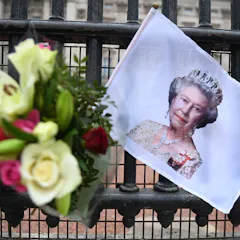
Grieving the queen’s passing can be different to grieving the loss of someone we were close to. It’s also complicated by politics, colonialism and the contest about who she really was.

An expert on grief says give people space and time to come to terms with loss and don’t expect them to need – or want – ‘closure.’
Top contributors
-

Professor of Social Work, CQUniversity Australia
-
Professor of Psychology, Curtin University
-
Hughes Professor of Classics, Adelaide University
-
Professor of Biblical Studies, Santa Clara University
-
Honorary Professor in Psychiatry and Mental Health, University of Cape Town
-
Sexual Assault Clinician/Lecturer in Counselling, University of Notre Dame Australia
-
Professor of Sociology, University of Liverpool
-
Senior lecturer, The University of Queensland
-
Professor of Sociology, Drake University
-
Research Fellow, School of the Environment, The University of Queensland
-
Lecturer, the Rabbinical School, Jewish Theological Seminary
-
Garry Stevens is a Friend of The Conversation.
Program Director in Humanitarian and Development Studies, Western Sydney University
-
Professor of Clinical and Health Psychology, UCL
-
PhD Candidate, University of Warwick
-
Emeritus Professor, College of Human and Social Futures, University of Newcastle, Australia, University of Newcastle