
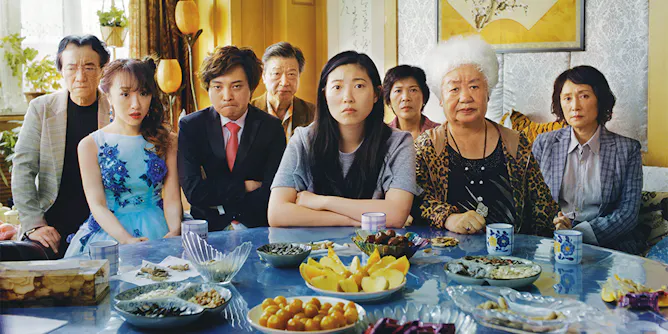
While 92% of adults feel that talking with their loved ones about end-of-life care is important, only 32% have actually done so.
Articles on Death
Displaying 241 - 260 of 441 articles
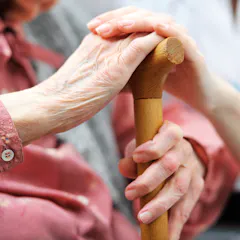
More than one-quarter of home care workers are born outside of the U.S. Stricter immigration laws could make it harder to find people to do this aide work.
It is not always easy to identify who needs palliative care.

The death of a close friend is a much overlooked bereavement.
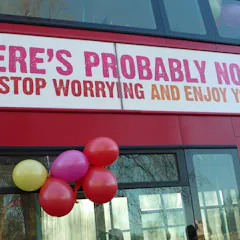
It might appear to many that atheism is a modern idea. However, in parts of Asia, particularly in India, atheism has been part of beliefs for thousands of years.

With digital immortality comes fear of digital erasure from those who treasure messages and photos of dead loved ones.

Religious and cultural beliefs play a role in the country’s organ donor shortages. But these factors alone grossly oversimplifies the issue.
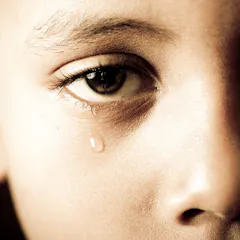
When it comes to helping students who’ve lost a loved one, educators often don’t know what to do or say. A pediatrician offers insights on how schools can support children in grief.

The dying person may face an inner struggle. They may want to be involved in activities but may not have the physical and emotional capacity to deal with the heightened stress and stimulation.

The scientific explanations might not be definitive, but your brain is largely responsible.
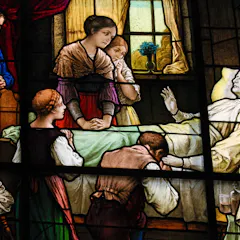
Rituals, such as keeping vigil, can help people when a loved one is near the end of their life.

There is a gap in most people’s knowledge – experiential poverty – about how to deal with death.
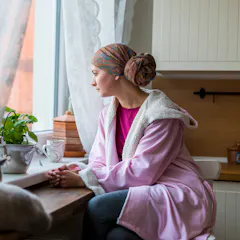
Research shows therapeutic psilocybin to be a safe and effective antidote to end-of-life anxiety and depression. Does prohibition therefore violate our right to “life, liberty and security?”

You’ve more than likely heard of birth doulas. But nowadays, death doulas are providing support at the end of life. How they fit into existing structures of care remains to be understood.

People who are more open-minded seem to be less bothered about closure.

Some people can will themselves to death. Here are the five stages.

It’s important to make genuine room for children in discussions about death, ritual planning and meaning-making.

With fall almost upon us, there’s a lot we can learn from the changing season.
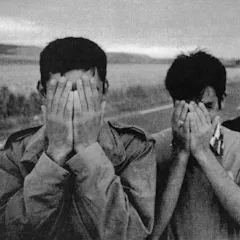
Little thought has been accorded to the way in which political and bureaucratic actors prioritise certain lives over others in their (non) decision-making.
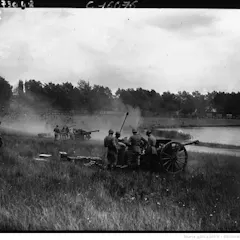
More than 16 million people lost their lives in world war one. Over a century later, we are still asking – for what?
Top contributors
-

Associate Professor of Philosophy, Deakin University
-
Distinguished Professor, Professor of End-of-Life Law and Regulation, Australian Centre for Health Law Research, Queensland University of Technology
-
Professor Emeritus of Death Studies, University of Bath
-
Professor, Social Work, University of Waterloo
-
Reader in Education with Psychology and Centre for Death and Society, University of Bath
-
Professor of Law, Australian Centre for Health Law Research, Queensland University of Technology
-
Professor of Law, Wake Forest University
-
Professor of Social Work, CQUniversity Australia
-
Associate Professor, Music Industry, RMIT University
-
Research Fellow, Coventry University
-
Professor of Property Law and Death Studies, Queen's University Belfast
-
Senior Lecturer, Criminology, University of York
-
Chen Su Lan Centennial Professor in Medical Ethics, National University of Singapore; Distinguished Visiting Professor in Law, University of Melbourne; Uehiro Chair in Practical Ethics, The University of Melbourne
-
Reader in Sociology, University of Bath
-
Reader of Health Psychology, Queen's University Belfast