
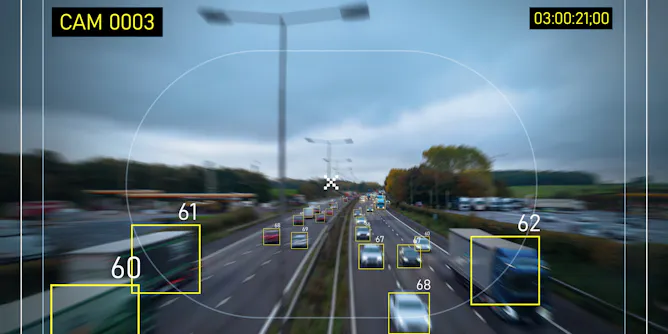
Many people welcome technology that will improve road safety or reduce congestion. But the rollout has proved unsettling.
Articles on Data surveillance
Displaying 1 - 20 of 26 articles

A string of recent deals by the cutting-edge AI company suggest an interest in large amounts of behavioural, health and biometric data.

The federal government is encouraging more people to use artificial intelligence. But this blind hype dismisses the harms caused by the new technology.

Human staff accumulate data as ‘expertise’ instead of giving it to their employers. For profit-chasing retailers, that’s a problem AI can eliminate.
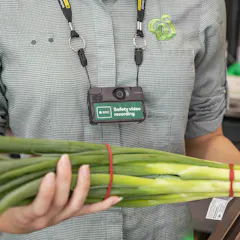
The hidden side of the supermarket giants’ quest for profits is an increasingly elaborate system for monitoring and managing shoppers and workers.

Your data privacy is under threat from hackers, data brokers and big tech. Here’s what you can do about it. Step 1 is to get your colleagues, friends and family on board.

The government faces legal restrictions on how much personal information it can gather on citizens, but the law is largely silent on agencies purchasing the data from commercial brokers.

The vast majority of people alive today are subject to tracking through a number of overlapping and entrenched surveillance systems.
Data privacy is an abstract issue for most people, even though virtually everyone is at risk. Now that abortion may become illegal in some states, digital surveillance could take an even darker turn.

Have you ever been targeted with ads that are scarily specific to you, and wondered how the app or website could have known?

Granting police access to Tinder users’ information is problematic for many reasons (even if the intent is to keep people safe).
The web’s inventor believes the liberation of our data will help redistribute power on the internet.
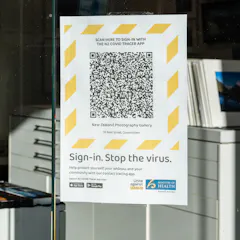
New Zealanders will travel more during the summer period and it is more important than ever to use the contact-tracing app to improve our chances of controlling any potential outbreaks.
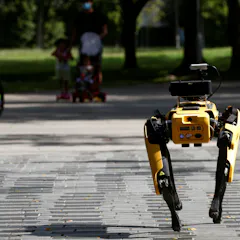
Smart city solutions have proved handy for curbing the contagion, but recent experience has also shown how much they rely on public trust. And that in turn depends on transparency and robust safeguards
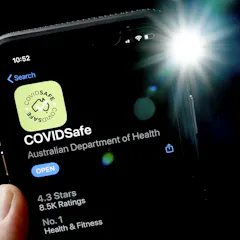
The COVIDSafe app hasn’t come out of nowhere. The promises of ‘smart city’ data collection may be seductive, but we must always weigh up what we’re being asked to give up in return.
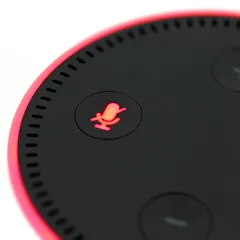
Hey Alexa, who are you sharing my data with?
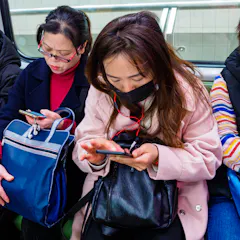
China’s social credit system has been described as a ‘dystopian nightmare straight out of Black Mirror’ but many citizens think it will help fight fraud and bring about a better society.

Darwin is one of the aspiring ‘smart cities’ that is adopting Chinese technology that can identify and track individuals. Add changes in Australian law, and we have the makings of a surveillance state.

Even governments in democracies with strong traditions of rule of law find themselves tempted to abuse these new abilities.
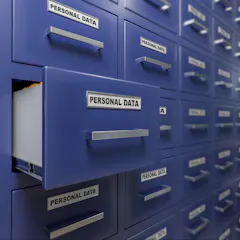
If you’re worried your phone is recording your private conversations, look closer at the data you’ve already agreed to give away.
Top contributors
-

Project Officer, Human Rights Centre, University of Essex
-
Assistant researcher, University of Sydney
-
Professor of Law, Wayne State University
-
Senior Researcher in Human Rights, University of Essex
-
Scholar in Media and Cultural Studies, Macquarie University
-
Reader in Cyber Security, University of Kent
-
Professor, School of Journalism and Communication, Chinese University of Hong Kong
-
Professor, Cyber Security, Aston University
-
Lecturer in Digital Communication, Queensland University of Technology
-
Lecturer, Auckland University of Technology
-
Assistant Professor of Information Technology, George Mason University
-
Professor of Media and Communication and Chief Investigator, ARC Centre of Excellence for Automated Decision-Making + Society, Swinburne University of Technology
-
Affiliated Faculty Member, Institute for Computational and Data Sciences, Penn State
-
Professor of Urban Geography, University of Sydney
-
PhD Candidate, ARC Centre of Excellence for Automated Decision-Making and Society, RMIT University