

Troop buildups and diplomatic negotiations highlight the threat of a major land war in Europe. In cyberspace, Russia has been attacking Ukrainian infrastructure and government operations for years.
Articles on Cyberattacks
Displaying 61 - 80 of 205 articles
The risks of using aerosols to reflect sunlight and cool the planet include creating extreme weather and worsening catastrophes.
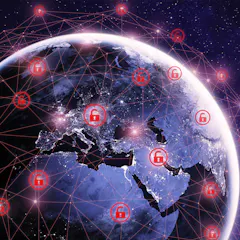
Russia has been developing sophisticated hybrid warfare tactics for some years now.
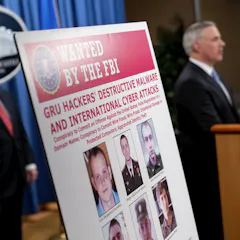
Russia probably has the means to attack US electrical grids and otherwise create havoc but probably won’t go that far. Instead, watch for disinformation aimed at undermining the US and NATO.
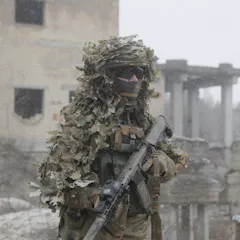
With the failure of talks, a Russian incursion into Ukraine has become more likely. But any invasion would face fierce resistance.

An increasing number of cyberattacks threaten critical infrastructures. These attacks exploit weaknesses in outdated and insecure systems.

As schools and colleges confront the challenges of COVID-19, cybercriminals exploit weaknesses in the computer networks and online systems.

The alarming rise in ransomware attacks means that many state-owned enterprises and private sector firms are only one click away from disaster.

Switching web service providers and providing almost $40 million from the federal budget means the census 2021 website should be safe from crashing at the crucial time this evening.

Cyberattacks are on the rise. Canada needs to work with cybersecurity experts to enable them to identify and address security vulnerabilities.
Hybrid warfare is becoming increasingly sophisticated. Governments and vulnerable organisations need to adapt quickly to respond to the threat.
With little international law governing state-sponsored cybercrime, the risk of retaliation and even war is growing.
A UN working group on cybersecurity is making incremental progress in highlighting the importance of including and protecting civilians.

Co-ordinated cyberattacks can create massive disruptions to infrastructure and supply chains. New treaties are needed to prevent cyberwarfare, but it’s challenging to predict technological advances.

At this month’s summit, US President Joe Biden warned his counterpart Vladimir Putin of reprisals against ‘persistent malicious cyber-attacks’. But it will take more than posturing to end the stand-off.

If an organization that has your data gets hacked, your vulnerability depends on the kind of attack and the kind of data. Here’s how you can assess your risk and what to do to protect yourself.
Ransomware has gone professional, with criminal consultants, affiliates and brokers – arresting them all will be difficult.

The amount of online data and transactions are growing exponentially. Related is the increasing possibility of cyberattacks — one way to address these is by regulating parts of the internet.
The centralisation of internet infrastructure leaves swathes of the online world vulnerable to sudden outages.
When announcing financial penalties on Russia earlier this year, Biden hinted at the prospect of ‘further’ sanctions. An energy scholar explains what Biden may have meant.
Top contributors
-

Adjunct Professor, Australia-China Relations Institute, University of Technology Sydney
-
Professor of Management, University of North Carolina – Greensboro
-
Professor of Cyber Security Practice, Edith Cowan University
-
Professor of Business Law and Ethics, Indiana University
-
Head, The Cyber Academy, Edinburgh Napier University
-
Adjunct Senior Lecturer, Applied Ethics and CyberSecurity, Griffith University
-
Security Researcher, Associate Professor in Resilient Systems, Edith Cowan University
-
Teaching Professor of Computer Science and Electrical Engineering, and Associate Director, UMBC Cybersecurity Institute, University of Maryland, Baltimore County
-
Lawyer, Curtin University
-
Doctoral Researcher in Cyberwarfare, University of Birmingham
-
Deputy Director, Center for Cyber and Homeland Security, Auburn University
-
Director, McCrary Institute for Cyber and Critical Infrastructure Security, Auburn University
-
Professor of Criminology, University of Leeds
-
Emeritus Distinguished Professor of Defense Analysis, Naval Postgraduate School
-
Senior Lecturer, New Zealand Institute for Security and Crime Science, University of Waikato